The Comprehensive Guide to Hydrogen Gas Detection
Hydrogen (H₂) is one of the most abundant elements on Earth and one of the most promising clean energy sources of the 21st century. But it also comes with serious safety risks that demand respect. …
Nitrogen gas is all around us. It makes up roughly 78% of the air we breathe. But in industrial, laboratory, and commercial settings, an uncontrolled buildup of nitrogen can be silently deadly. Because nitrogen is …
Gas detection is one of the most critical yet often overlooked pillars of workplace and facility safety. Whether you work in oil and gas, construction, manufacturing, or even manage a commercial building, understanding gas detection …
Methane gas (CH₄) is one of the most common yet underestimated hazards in homes, farms, and industrial facilities. Colorless, odorless in its pure form, and highly flammable, methane can accumulate undetected, leading to explosions, fires, …
Choosing the right LEL gas detector isn’t a decision you can afford to get wrong. In environments where flammable gases or vapors are present, such as oil refineries, chemical plants, wastewater facilities, mines, or any …
Whether you work in industrial hygiene, hazmat response, environmental monitoring, or confined space entry, you’ve likely heard the term “PID detector.” But what exactly is a PID gas detector, how does it work, and when …
If you’ve ever looked at a gas detector readout and wondered what “PPM” means, you’re not alone. PPM is one of the most important and most misunderstood measurements in workplace gas safety. Whether you’re managing …
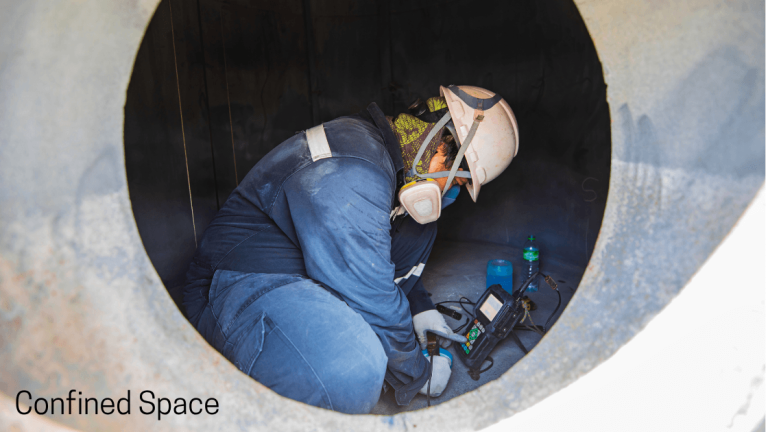
Working in confined spaces is one of the most hazardous tasks in any industry. Whether you’re managing pipelines, storage tanks, manholes, or industrial vessels, the invisible threat of toxic and combustible gases makes a reliable …
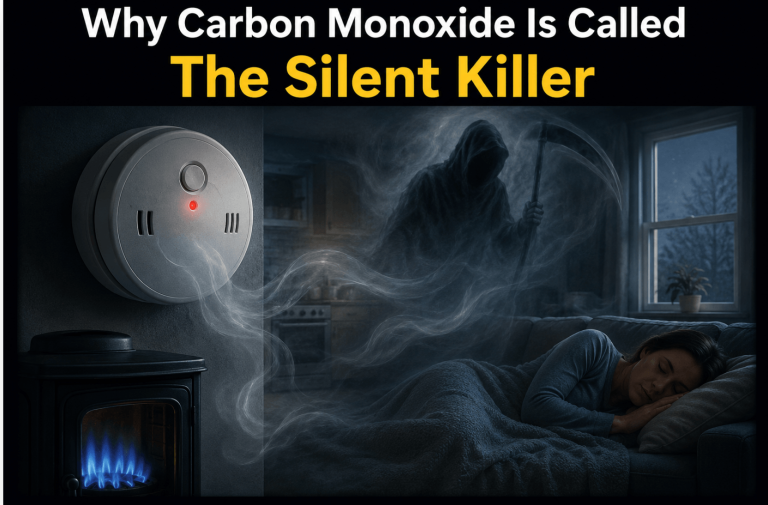
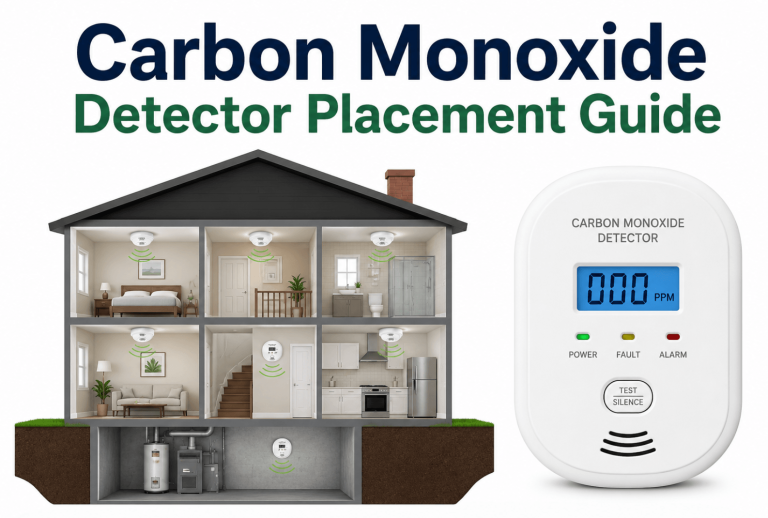
Carbon monoxide is often called the “silent killer” and for good reason. It’s colorless, odorless, and can be fatal before you even realize it’s in your home. Your first line of defense is a reliable …
Gas leaks are silent threats. Whether it’s a slow carbon monoxide buildup in a parking garage or a sudden refrigerant release in a commercial kitchen, the consequences of undetected gas can be catastrophic. That’s exactly …