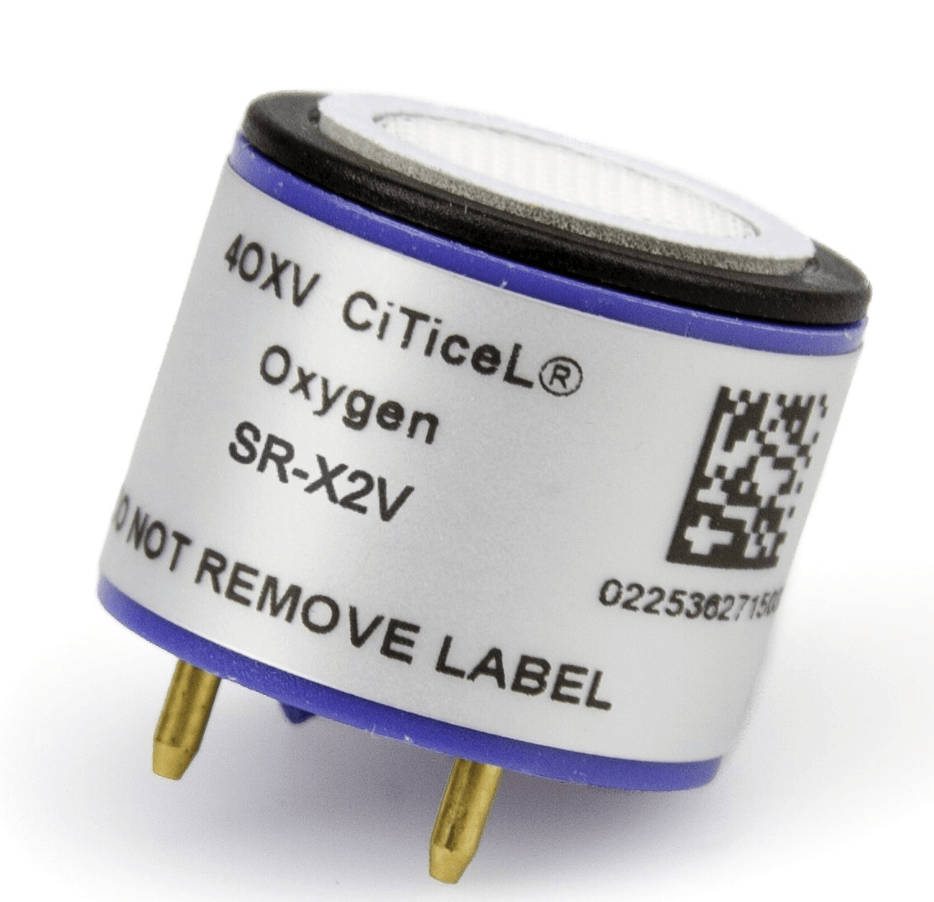
The oxygen sensor is arguably the most important in your gas detector. It’s the one standing between you and an atmosphere that can render you unconscious in seconds without any warning smell, taste, or color. So how do you know when your oxygen sensor is bad?
How Do You Know When Your Oxygen Sensor Is Bad?
Your oxygen sensor is bad when it fails a bump test, won’t hold calibration, responds slowly to gas, displays erratic or drifting readings, or has exceeded its expected lifespan (typically 2–3 years for standard electrochemical sensors).
Any one of these signs means the sensor should be replaced immediately, not “next week” or “after this shift.”
In my years working with gas detection systems in industrial environments, I’ve seen workers trust monitors with dying O₂ sensors simply because the display still showed a number.
A number on a screen means nothing if the sensor behind it can no longer do its job. Let’s walk through exactly how oxygen sensors fail, the warning signs to watch for, and what to do about it.
Why Oxygen Sensors Fail (Even When Nothing Goes Wrong)
Here’s something that surprises many people: standard electrochemical oxygen sensors are consumable by design.
Most traditional O₂ sensors use a lead-based electrochemical cell. The sensor works through a controlled oxidation reaction: oxygen diffuses into the cell and reacts with a lead anode, generating a small electrical current proportional to the oxygen concentration.
Every second the sensor is exposed to air (which is all the time, since we live in a 20.9% oxygen atmosphere), it consumes a little bit of that lead anode.
When the lead is gone, the sensor is done. No repair, no recharge, no reset. This is why oxygen sensors fail even in detectors that sit unused in a drawer.
Unlike a catalytic bead LEL sensor that mostly degrades with gas exposure, an O₂ sensor is dying from the day it’s manufactured.
Typical oxygen sensor lifespans:
| Sensor Type | Expected Lifespan | Notes |
|---|---|---|
| Standard lead-based electrochemical | 1–3 years | Consumed continuously by ambient oxygen |
| Long-life / lead-free O₂ sensors | Up to 5 years | Found in newer monitors: pump-free oxygen-sensing designs |
| High heat/humidity environments | Reduced by 20–50% | Extreme conditions accelerate electrolyte loss |
If your monitor’s O₂ sensor is past the 2-year mark, treat every warning sign below with extra suspicion.
7 Signs Your Oxygen Sensor Is Bad
It Fails a Bump Test
The bump test is your first and most reliable line of defense. A bump test briefly exposes the sensor to a known concentration of test gas to verify the sensor responds, and the alarms activate.
For oxygen sensors, the bump test typically uses a gas mixture with a reduced oxygen concentration (often 18% or lower, since O₂ sensors alarm on deficiency).
If the sensor doesn’t respond, responds too slowly, or fails to trigger the alarm, the sensor is bad full stop.
A failed bump test isn’t a suggestion to “try again tomorrow.” Take the unit out of service until the sensor is replaced and the monitor passes a full calibration.
It Won’t Hold Calibration (or Fails Calibration Entirely)
Calibration adjusts the sensor’s response to match a known gas concentration. A healthy oxygen sensor should calibrate cleanly and hold that calibration between scheduled intervals.
Warning signs during calibration
The sensor fails to reach the target reading during span calibration. The monitor displays a calibration fault or “sensor error” code.
The sensor calibrates successfully but drifts out of spec within days. You find yourself calibrating more and more frequently just to keep the unit usable.
That last one is the sneaky killer. If your O₂ sensor needed calibration once a month last year and now needs it weekly, the sensing cell is depleting. Frequent recalibration is a symptom, not a solution.
Slow Response Time (T90 Degradation)
Sensor manufacturers specify a response time called T90: the time it takes the sensor to reach 90% of its final reading after gas exposure.
A healthy electrochemical O₂ sensor typically has a T₉₀ under 30 seconds, often closer to 10–15 seconds.
As the sensing cell degrades, response time stretches. During a bump test or calibration, pay attention to how long the reading takes to move, not just whether it eventually gets there.
A sensor that takes 60+ seconds to respond might technically pass an automated test, but in a real confined space entry, that lag could be the difference between exiting safely and collapsing at the bottom of a tank.
Erratic, Jumpy, or Drifting Readings
In normal ambient air, your oxygen reading should sit steady at 20.9% (or very close to it, depending on altitude and calibration). Watch for:
Drift the reading slowly wanders, showing 20.4% one hour and 21.3% the next in the same clean air.
Jumpiness: the display bounces between values with no atmospheric change.
Stuck readings: the display freezes at 20.9% and never moves, even during a bump test. A stuck “normal” reading is the most dangerous failure mode of all, because everything looks fine.
Readings That Don’t Match Reality
If your monitor shows 17% oxygen in a well-ventilated open area or reads 20.9% inside a nitrogen-purged vessel, the sensor has lost its grip on reality.
Always sanity-check O2 readings against what you know about the environment. Fresh outdoor air is 20.9%. If your monitor disagrees, believe the atmosphere, not the sensor, and pull the unit from service.
Error Codes and Sensor Fault Warnings
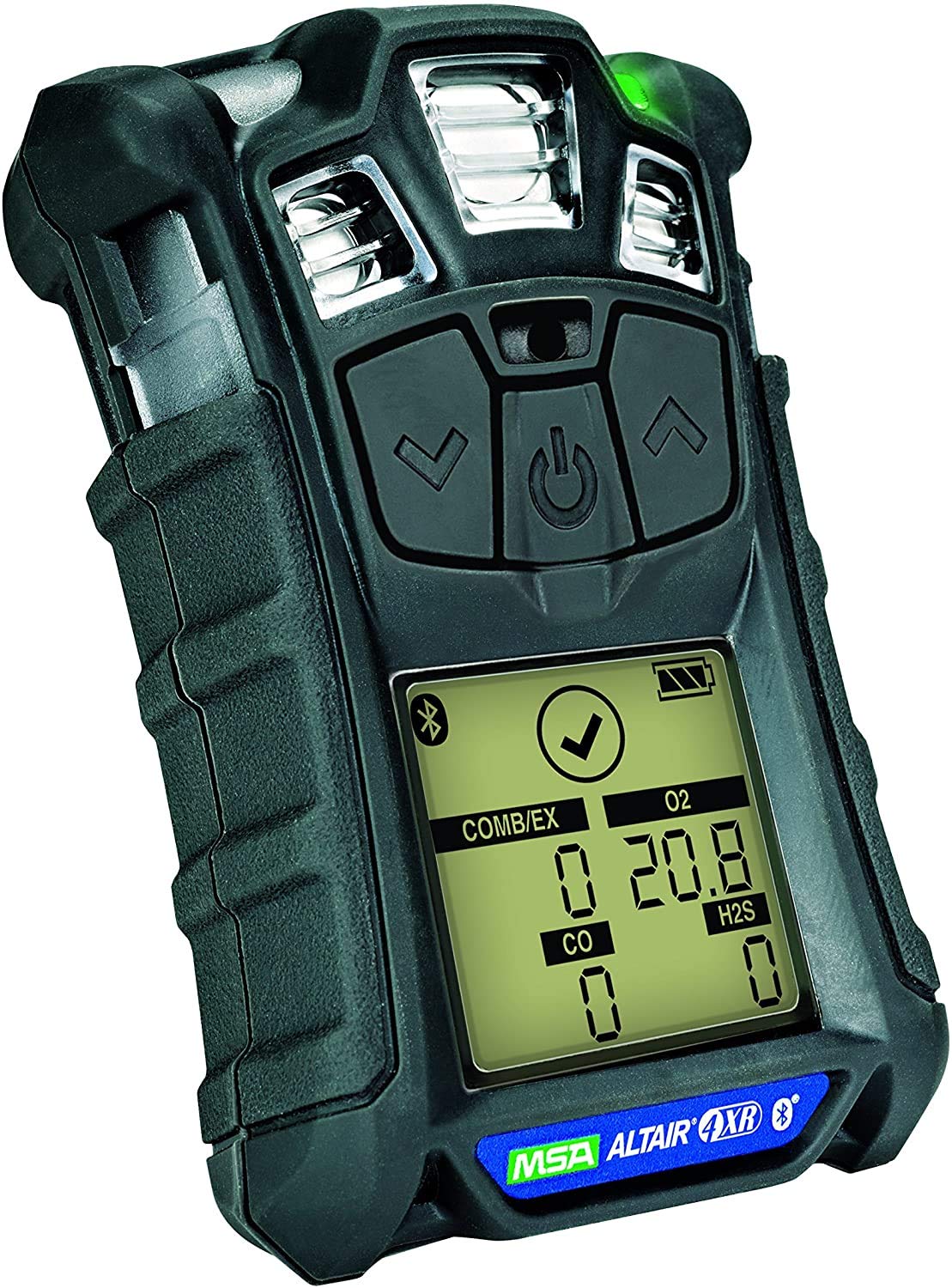
Modern monitors like the Honeywell BW series, MSA ALTAIR line, and Industrial Scientific Ventis units run continuous sensor diagnostics.
A “sensor fault,” “sensor missing,” or “negative drift” error on the O₂ channel usually means the electrochemical cell’s output has dropped below the level the instrument can compensate for. Don’t clear the error and keep working; the monitor is telling you the sensor is at the end of its life.
Physical Damage or Environmental Abuse
Electrochemical sensors contain liquid electrolyte behind a diffusion membrane. They’re vulnerable to:
Extreme heat, which accelerates electrolyte evaporation. Very dry environments, which dehydrate the cell. Physical impact that cracks the housing or membrane. Chemical exposure (certain solvents and gases can poison or clog the membrane).
If a monitor has been dropped, left on a dashboard in the sun, or exposed to a chemical splash, bump test it before the next use even if it’s not on the schedule.
Bad O2 Sensor vs. Other Problems: A Quick Diagnostic Table
| Symptom | Likely Bad Sensor | Other Possible Cause |
|---|---|---|
| Fails bump test | ✔ Yes | Expired calibration gas, blocked gas inlet |
| Reads low in fresh air | ✔ Yes | Needs fresh air (zero) calibration, altitude change |
| Slow response | ✔ Yes | Clogged sensor filter, blocked sample line (pumped units) |
| Reads 0% or blank | ✔ Yes (dead cell) | Loose sensor connection, board fault |
| Frequent recalibration needed | ✔ Yes | Temperature swings between cal and use environment |
| Erratic readings | ✔ Yes | RF interference, moisture in sensor port |
Before condemning a sensor, rule out the cheap fixes: check your calibration gas cylinder’s expiration date and pressure, inspect and replace sensor filters, and confirm sample lines and pumps are clear. But when in doubt, replace the sensor; an O₂ sensor costs far less than an incident report.
What to Do When Your Oxygen Sensor Is Bad
Remove the monitor from service immediately
Tag it so no one else grabs it for a confined space entry.
Replace the sensor; don’t just recalibrate
Calibration cannot revive a depleted electrochemical cell.
Use manufacturer-approved replacement sensors
Third-party cells may not match the instrument’s compensation algorithms.
Perform a full calibration after replacement
Followed by a bump test before returning the unit to service.
Log the replacement date
Start the lifespan clock so you can replace it proactively next time instead of reactively.
How to Extend Oxygen Sensor Life
You can’t stop a lead-based O₂ sensor from consuming itself, but you can avoid shortening its life: store monitors in moderate temperatures away from direct sunlight, keep sensor filters clean and replaced on schedule, avoid chemical splash and solvent vapor exposure during storage, and follow the manufacturer’s storage humidity recommendations. If sensor replacement costs are adding up across a fleet, consider upgrading to monitors with long-life, lead-free O₂ sensors rated for 4–5 years.
Frequently Asked Questions
How long does an oxygen sensor last in a gas detector?
Standard lead-based electrochemical oxygen sensors last 1–3 years, with 2 years being a realistic planning number.
Newer lead-free “long-life” O₂ sensors last up to 5 years. Heat, dryness, and rough handling shorten lifespan.
Can you recalibrate a bad oxygen sensor?
No. Calibration adjusts the instrument’s interpretation of the sensor’s signal. It cannot restore a depleted or damaged sensing cell. If a sensor fails calibration or won’t hold calibration, replacement is the only fix.
Why does my oxygen sensor fail even though I rarely use the monitor?
Because electrochemical O₂ sensors react with ambient oxygen continuously, whether the monitor is powered on or not. The sensor is being consumed even while sitting in storage.
How often should I bump test my oxygen sensor?
Best practice and the recommendation of major manufacturers and safety bodies is a bump test before each day’s use.
At minimum, bump test before any confined space entry or work in a potentially hazardous atmosphere.
What should my oxygen sensor read in normal air?
20.9% volume oxygen at sea level. Readings meaningfully above or below that in clean, fresh air indicate a calibration or sensor problem.
Note that high altitude lowers oxygen partial pressure, which can affect some sensor readings slightly.
Is a stuck 20.9% reading dangerous?
Extremely. A sensor frozen at “normal” gives false confidence in an atmosphere that may be oxygen-deficient.
This is exactly why bump testing matters. It’s the only way to catch a sensor that has quietly stopped responding.
Final Thoughts
So, how do you know when your oxygen sensor is bad? It fails a bump test, resists calibration, responds sluggishly, drifts or freezes in clean air, throws sensor faults, or has simply aged past its service life.
Oxygen sensors are consumables. Plan for replacement the way you plan for battery replacement, and never gamble on a sensor that shows any of the seven warning signs above.
Your gas detector is only as trustworthy as its weakest sensor. Bump test daily, calibrate on schedule, and when the O₂ sensor gives you a reason to doubt it, replace it without hesitation.