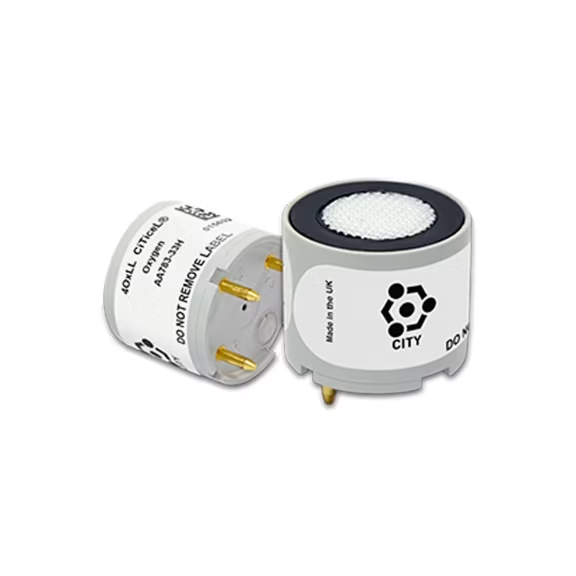
A gas detector that is still powered on is not necessarily a gas detector that still works. Sensors age silently.
The display can look normal, the LED can blink on schedule, and the instrument can still be unable to see the gas it was bought to protect you from.
Understanding gas sensor lifespan is one of the most practical things a safety technician, instrumentation engineer, or EHS manager can do.
Replace too early and you waste budget. Replace too late and you are relying on a device that gives false confidence, which is more dangerous than having no detector at all.
In this guide you will learn how long each sensor technology typically lasts, why sensors degrade, and the nine warning signs that tell you a sensor needs replacement.
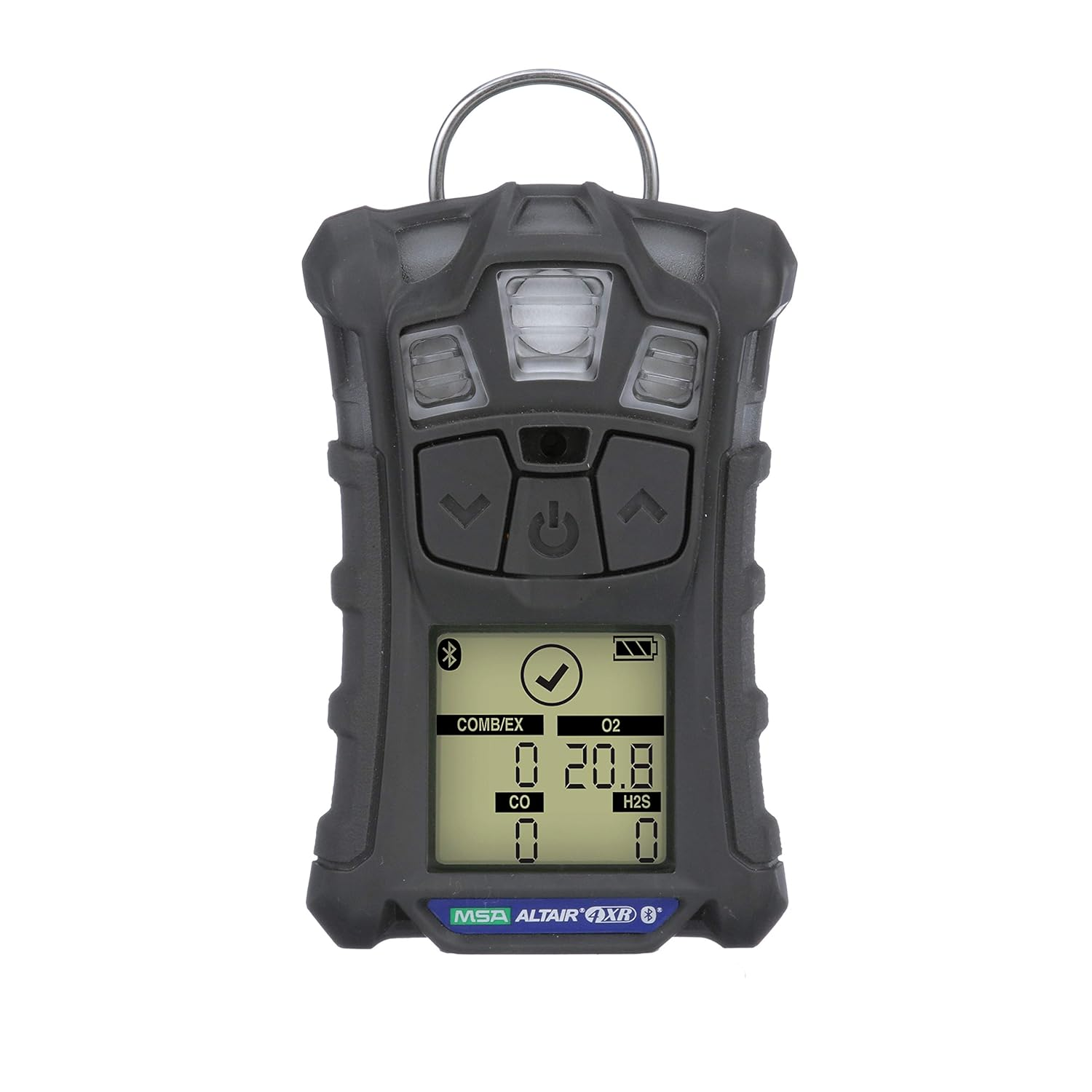
What Is Gas Sensor Lifespan?
Gas sensor lifespan is the period during which a sensor keeps responding accurately and quickly enough to meet its performance specification.
Once it can no longer be calibrated to that specification, it has reached end of life, even if it still produces a signal.
Two terms are worth separating
Shelf life
Shelf life is how long a sensor can be stored before installation. Electrochemical sensors in particular can start aging in storage, so stock spares sensibly and rotate them.
Operating life
Operating life is how long the sensor lasts once powered and exposed to the real environment. This is the number that matters in the field.
Manufacturers usually quote a typical operating life and a warranty period. These are not the same thing. A sensor can outlast its warranty in a clean, stable environment, or fail well inside it in a harsh one.
Typical Gas Sensor Lifespan by Technology
The table below summarizes typical ranges for common sensor types. Always confirm the exact figures on the datasheet for your model.
Electrochemical (toxic gases such as CO, H2S)
About 2 to 3 years, sometimes longer. Electrolyte dries out or is consumed, catalyst surface degrades.
Electrochemical oxygen (O2)
About 1 to 3 years depending on type. Internal electrode is consumed as it reacts with oxygen. Reading in clean air drifts below 20.9% and cannot be adjusted.
Catalytic bead (flammable gases, %LEL)
About 2 to 5 years. Poisoning, bead degradation, exposure to high gas concentrations. Reduced response, unstable zero.
Infrared / NDIR (hydrocarbons, CO2)
About 5 to 10+ years. Optics contamination, source and detector aging. Signal loss, optical fault, drift .
Photoionization (PID, VOCs)
Lamp: months to a couple of years, sensor: longer. Lamp window fouling, lamp aging. Low sensitivity, erratic readings.
Metal oxide semiconductor
About 5 to 10 years. Surface contamination, drift. Baseline drift, poor selectivity.
Rule of thumb
Infrared sensors generally outlive electrochemical and catalytic sensors, which is one reason they are popular for fixed installations where access for maintenance is difficult.
Electrochemical sensors are cost-effective for toxic gases but are consumable parts, so plan their replacement as routine maintenance rather than as an unexpected failure.
Why Gas Sensors Degrade
Sensors do not fail randomly. Most end-of-life events trace back to one or more of these causes:
Normal chemical or physical aging
The electrolyte in an electrochemical cell slowly dries or is consumed. Catalytic beads gradually lose activity.
Poisoning and inhibition
Silicones, sulfur compounds, halogenated compounds, and heavy metals can permanently damage catalytic beads.
If you want the full mechanism, read our guide on why catalytic gas sensors become poisoned.
Overexposure
A very high gas concentration can saturate or damage a sensor, leaving it less sensitive afterward.
Humidity, condensation, and temperature extremes
Moisture and thermal cycling stress sensors and optics. See how this plays out in how environmental conditions affect gas detectors.
Dust, oil, and contamination
Blocked filters and dirty windows restrict gas diffusion and optical paths.
Mechanical damage
Drops, vibration, and water ingress can damage portable and fixed sensors alike.
Poor maintenance
Skipped bump tests and late calibrations hide degradation until it becomes failure.
9 Signs Your Gas Sensor Needs Replacement
It fails the bump test
A bump test confirms that the sensor responds to a known gas and that the alarms activate. If a sensor repeatedly fails a bump test, even after you have checked the gas cylinder, regulator, tubing, and calibration cap, the sensor is the likely culprit. A single failure may be a setup error. Repeated failures are a replacement signal.
It fails calibration or cannot reach span
During calibration the instrument adjusts its reading to match a known concentration. When a sensor has lost too much sensitivity, the instrument cannot reach the target value, and you will see a calibration failure or a low-sensitivity message.
Many instruments calculate a sensitivity or “sensor life” indicator and flag the sensor when it falls below the manufacturer’s threshold.
If you are chasing this problem, our article on how to troubleshoot zeroing and span issues in gas sensors walks through how to separate a bad setup from a bad sensor.
Its response time has become slow
Response time is usually expressed as T50 or T90, the time to reach 50% or 90% of the final reading.
A sensor that used to react in seconds and now takes much longer is losing sensitivity or has a restricted gas path. Clean the filter and check for blockage first. If the slow response persists, the sensor is aging.
Slow response is dangerous because a leak can develop faster than the detector can report it.
The zero drifts constantly
All sensors drift a little. But if you have to re-zero the instrument far more often than before, or the baseline will not settle in clean air, the sensor is becoming unstable. Persistent zero drift is common as electrochemical cells approach the end of their life.
Readings are noisy, erratic, or spike for no reason
Random spikes and unstable readings with no gas present point to an internal sensor problem, a damaged connection, or moisture ingress.
Rule out wiring faults, electromagnetic interference, and cable damage in fixed systems. If the signal remains noisy after those checks, replace the sensor.
For a broader look at this symptom, see false alarms in gas detection: causes and prevention.
It gives false alarms or fails to alarm
A sensor that triggers alarms with no gas present is unreliable, and one that fails to alarm when exposed to test gas is worse.
Both conditions undermine trust in the whole safety system. Do not silence the alarm and move on. Investigate, calibrate, and replace the sensor if the behavior returns.
The oxygen reading will not stay at 20.9% in clean air
For an oxygen sensor, a reading in fresh air that sits well below 20.9% and cannot be corrected through calibration is a classic end-of-life sign.
The sensing element is consumed over time, so this is expected after a period of service and is a clear cue to replace the sensor.
The instrument reports a sensor fault or sensor error
Fault messages, failed self-tests, or out-of-range outputs are the instrument telling you directly that something is wrong.
In fixed transmitters, a fault may appear on the control system as a 4-20 mA signal outside the normal range.
Check wiring and power first, then the sensor. Our guide to HART, Modbus and 4-20 mA communication in gas detectors explains how to interpret these fault signals.
It is simply past the recommended service life
Sometimes there is no dramatic symptom at all. The sensor is older than the manufacturer’s recommended life, its calibration trend shows steady loss of sensitivity, and its replacement is overdue.
Do not wait for a failure. Track installation dates, and replace on schedule or when calibration history shows a downward trend.
Visual and Physical Warning Signs
Beyond performance, inspect the hardware during routine checks:
– Corrosion, discoloration, or residue on the sensor face or connectors
– Cracks, deformation, or a damaged housing
– Evidence of leaking electrolyte
– Clogged, dirty, or wet dust filters and hydrophobic membranes
– Dirty or fogged optical windows on infrared and PID sensors
– Damaged cable glands or compromised ingress protection seals
Any of these can justify replacing a sensor even when the instrument still seems to read correctly.
Quick Decision Checklist: Replace or Troubleshoot?
Before you order a new sensor, run through this short sequence:
1. Verify the calibration gas is in date, the correct concentration, and the correct gas.
2. Check the regulator, tubing, and calibration cap for leaks and blockages.
3. Clean or replace the dust filter and inspect the sensor face.
4. Confirm the instrument is at stable temperature and humidity in clean air.
5. Repeat the zero and span calibration.
6. If the sensor still fails, drifts, or responds slowly, **replace it**.
If the problem disappears after steps 1 through 4, the sensor was not at fault, and you have saved a replacement.
How to Extend Gas Sensor Lifespan
You cannot stop aging, but you can slow it down.
Follow a disciplined test and calibration schedule
Use the manufacturer’s recommendations and your site’s risk assessment. Industry guidance, such as the ISEA statement on bump testing and calibration of portable monitors, is a useful reference.
Keep sensors clean and protected
Use appropriate filters, splash guards, and weather protection for fixed heads.
Avoid known poisons
Keep silicone sprays, certain lubricants, and cleaning solvents away from catalytic sensors.
Store spares properly
Keep them in the conditions the manufacturer specifies and use the oldest first.
Minimize extreme exposure
After a high-gas event, bump test or calibrate the instrument and verify the sensor before returning it to service.
Track sensor history
Record installation dates, calibration results, and sensitivity trends. Fleet management software makes this much easier at scale.
Choose the right technology for the application
Where poisoning is likely or access is difficult, infrared sensing may offer a longer service life than catalytic.
Replace the Sensor or the Whole Detector?
For many portable and fixed instruments, replacing only the sensor is the most economical option. Consider replacing the entire detector when:
– The instrument is obsolete and spare sensors or support are no longer available
– Multiple sensors are failing at once
– The housing, electronics, or display is damaged
– The detector no longer meets your site’s regulatory or safety integrity requirements
For safety instrumented applications, remember that sensor replacement and testing must also respect your proof-test intervals. If your facility works to functional safety requirements, see understanding SIL 2 and SIL 3 requirements in gas detection.
Frequently Asked Questions
How long do gas sensors last?
It depends on the technology. Electrochemical toxic gas sensors commonly last around 2 to 3 years, catalytic bead sensors around 2 to 5 years, and infrared sensors often 5 to 10 years or more. Environment and exposure can shorten these figures.
How do I know if my gas sensor is bad?
The strongest indicators are a failed bump test, a failed calibration, a sensor that cannot reach span, slow response, constant drift, erratic readings, or a sensor fault message on the instrument.
Can a failing gas sensor be recalibrated?
Sometimes. Recalibration can compensate for modest sensitivity loss. But once the sensor can no longer reach its specified span, or the drift keeps returning, calibration is only masking a sensor that has reached end of life.
Do gas sensors expire if they are not used?
Yes. Some sensors, particularly electrochemical types, have a limited shelf life and can age in storage. Check the manufacturer’s storage guidance and avoid keeping large stocks of spares for years.
What happens if I keep using an old gas sensor?
The detector may respond too slowly, read too low, or fail to alarm, giving you false confidence in an unsafe atmosphere. That is why sensor health is a safety issue, not just a maintenance issue.
How often should I bump test and calibrate?
Follow the manufacturer’s instructions and your site’s risk assessment. Many organizations bump test portable detectors before each day’s use and calibrate on a regular schedule. Fixed detectors are tested on a periodic basis set by procedure and risk.
Final Thoughts
Sensor aging is predictable if you pay attention to it. Know the typical gas sensor lifespan for the technology you use, trend your calibration data, and treat early warning signs such as slow response and drift as signals to act, not as nuisances to ignore.
A sensor replaced on time is a small cost. A sensor that fails silently is a risk no facility should accept.
Disclaimer
This article provides general educational information. Always follow your instrument manufacturer’s instructions, applicable regulations, and your site’s safety procedures when testing, calibrating, and replacing gas detection sensors.*