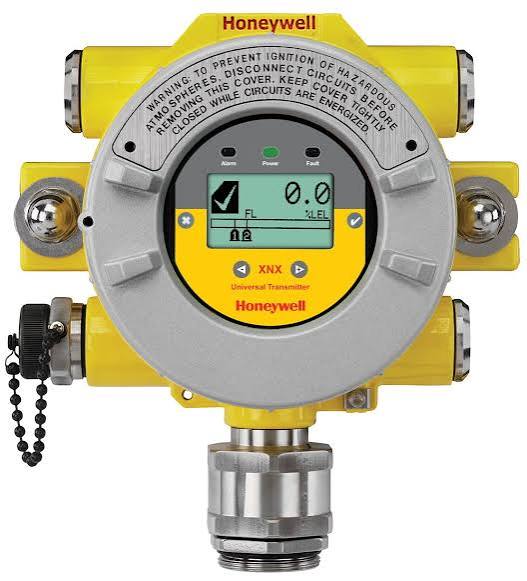
Every year, workers and families are put at risk by gases they cannot see, smell, or taste. Carbon monoxide, hydrogen sulfide, methane, and oxygen-deficient air can all become dangerous long before a person notices anything wrong.
A gas detection system exists to close that gap: it senses hazardous gases early, warns people, and in many installations triggers automatic protective actions.
This guide explains what a gas detection system is, how it works, the components that make it up, and the basics you need to understand before choosing, installing, or maintaining one.
What Is a Gas Detection System?
A gas detection system is a set of devices that continuously monitors the air for the presence or concentration of specific gases, then alerts people or triggers automated responses when those gases reach unsafe levels.
In simple terms, it does three jobs:
- Sense the gas in the environment.
- Decide whether the reading is dangerous.
- Act by sounding alarms, notifying operators, and, in industrial settings, starting safety actions such as ventilation or shutdown.
Gas detection systems are used in oil and gas facilities, chemical plants, wastewater treatment, mining, food and cold storage (ammonia refrigeration), semiconductor fabs, parking garages, laboratories, battery rooms, and many commercial buildings.
Why Gas Detection Matters
Hazardous gases fall into three main risk categories, and a good system is designed around the ones present at your site:
Flammable (combustible) gases
Methane, propane, hydrogen, and vapors from solvents can ignite or explode when they mix with air within certain limits. These are measured as a percentage of the Lower Explosive Limit (LEL).
Toxic gases
Carbon monoxide (CO), hydrogen sulfide (H₂S), chlorine, ammonia, and others can harm or kill at very low concentrations. They are usually measured in parts per million (ppm).
Oxygen deficiency or enrichment
Normal air contains about 20.9% oxygen. Levels below roughly 19.5% are considered oxygen-deficient, and enriched atmospheres raise fire risk. Oxygen is measured as a percentage by volume.
Because many of these gases are invisible and some deaden the sense of smell (H2S is a well-known example), human senses are not a reliable safeguard. Electronic detection is.
How Does a Gas Detection System Work?
The basic workflow is the same across most systems.
Gas reaches the sensor
Gas diffuses into the detector, or a pump draws a sample of air to it.
The sensor produces a signal
Depending on the technology, a chemical reaction, a change in infrared light absorption, or a change in electrical resistance creates an electrical signal proportional to the gas concentration.
The signal is transmitted
The detector converts the signal into a standard output, often 4-20 mA, and sends it to a controller. Digital protocols such as HART, Modbus, or wireless links are also common.
The controller evaluates it
The controller compares the reading with preset alarm setpoints.
Alarms and actions are triggered
If a setpoint is crossed, the system activates horns, beacons, and display warnings, and may command outputs such as exhaust fans, valve closures, or equipment shutdown.
A typical industrial setup uses a low alarm (an early warning that prompts investigation) and a high alarm (a serious condition that prompts evacuation or automatic shutdown).
Exact setpoints depend on the gas, the site risk assessment, local regulations, and manufacturer guidance.
Core Components of a Gas Detection System
Gas Sensors and Detectors
The sensor is the heart of the system. Different sensing technologies suit different gases and environments:
Catalytic bead sensors
A long-established technology for detecting flammable gases. Gas burns on a heated bead, and the resulting temperature change is measured.
They are cost-effective but can be affected by sensor poisons such as silicones and require regular calibration.
Infrared (IR) sensors
Detect hydrocarbons by measuring how much infrared light the gas absorbs. They are not poisoned by most substances, work without oxygen, and offer fail-safe self-diagnostics. Open-path and point IR detectors are both widely used.
Electrochemical sensors
The standard choice for many toxic gases (CO, H2S, chlorine, and others) and for oxygen. Gas reacts at an electrode and produces a small current proportional to concentration. They have a limited lifespan, typically measured in years.
Metal oxide semiconductor (MOS) sensors
Sensitive and low-cost, used in some commercial and specialty applications. They can respond to a range of gases, so selectivity needs careful consideration.
Photoionization detectors (PID)
Detect volatile organic compounds (VOCs) at very low ppm and even ppb levels.
Ultrasonic gas leak detectors
Listen for the high-frequency sound of pressurized gas escaping, rather than sensing the gas itself. Useful in outdoor, well-ventilated areas where gas clouds disperse quickly.
Laser-based detectors
Such as tunable diode laser (TDL) devices, used for specific gases over long open paths or in demanding process conditions.
Sensors are installed inside detector housings rated for the environment, including hazardous-area certifications such as ATEX, IECEx, or equivalent regional approvals where explosive atmospheres may be present.
Controller or Logic Solver
The controller receives signals from all detectors, displays readings, manages alarms, and executes the programmed logic. Depending on the application, this can be.
- A dedicated gas detection controller or panel, common in commercial and light industrial sites.
- A PLC or DCS integrated with plant automation.
- A safety PLC or safety logic solver where the gas detection function is part of a safety instrumented system (SIS) with a required Safety Integrity Level (SIL).
Good controllers support voting logic (for example, requiring two of three detectors to confirm a gas event before shutdown), which reduces false trips while keeping protection strong.
Alarms and Notification Devices
When gas is detected, people need to know immediately. Common notification devices include:
- Audible horns and sirens
- Visual beacons and strobes (essential in noisy areas)
- Local display panels
- Remote alerts via SMS, email, SCADA screens, or building management systems
Using distinct sounds or colors for low and high alarms helps people react correctly under pressure.
Final Control Elements and Safety Actions
In many facilities, detection alone is not enough. The system also drives automatic responses such as:
- Starting or boosting exhaust ventilation
- Closing gas supply or isolation valves
- Stopping pumps, compressors, or burners
- Activating emergency shutdown (ESD) sequences
- Releasing fire suppression or interlocking access doors
These outputs turn a warning into real risk reduction.
Power Supply and Wiring
Reliable power is critical. Many systems include battery backup or an uninterruptible power supply so detection continues during outages.
Proper cabling, grounding, and surge protection also matter, since poor installation often causes false alarms and faults.
Communication and Integration
Modern gas detection systems rarely work in isolation. Common integration options include 4-20 mA analog signals, relay contacts, Modbus RTU/TCP, HART, and wireless networks.
Integrating with SCADA or building management systems gives operators a single view of the site and a record of alarm events for audits and incident analysis.
Fixed vs. Portable Gas Detection
The two broad categories complement each other:
- Fixed gas detection systems are permanently installed to monitor a defined area 24/7. They suit process areas, plant rooms, boiler rooms, refrigeration machinery rooms, and storage areas.
- People carry or wear portable gas detectors. They protect workers who move between locations, enter confined spaces, or perform maintenance and inspections. Single-gas and multi-gas models are available.
Many sites use both: fixed detectors for continuous area monitoring and portable devices for personal protection and spot checks.
Key Factors When Choosing a Gas Detection System
Before buying, work through these questions.
- Which gases are present or possible, and at what concentrations?
- Where could leaks occur, and how do gas density, airflow, and ventilation affect where gas will travel? Lighter-than-air gases such as methane and hydrogen rise, while heavier gases such as propane and chlorine settle low.
- What is the environment? Temperature, humidity, dust, washdown, vibration, and corrosive atmospheres all influence sensor choice and enclosure rating.
- Is the area classified as hazardous? If so, detectors and accessories need appropriate certification.
- What response is required? Alarm only, or alarm plus automatic shutdown?
- What standards and regulations apply? These may include IEC 61508 and IEC 61511 for functional safety, local fire and building codes, and national occupational safety rules.
- What will maintenance cost over time? Consider calibration gas, sensor replacement, and technician access to detector locations.
A formal gas mapping or risk assessment is the best way to decide how many detectors you need and where to place them.
Installation and Placement Basics
Even the best sensor fails to protect if it is in the wrong place. As a general guide.
- Place detectors near likely leak sources such as valves, flanges, compressors, and connections.
- Mount them according to gas density: high for lighter-than-air gases, low for heavier-than-air gases, and in the breathing zone for toxic gases that affect people.
- Avoid spots with strong airflow, dead air pockets, or direct exposure to water and heat sources.
- Keep detectors accessible so they can be tested and calibrated safely.
- Follow the manufacturer’s instructions and your site’s risk assessment rather than a one-size-fits-all rule.
Calibration, Testing, and Maintenance
Gas detectors drift over time, and sensors age. Without regular checks, a system can look healthy while failing to detect gas. Good practice includes:
Bump tests
A quick exposure to gas to confirm the sensor responds and alarms activate. Often done before each use for portable devices.
Calibration
Adjusting the sensor against a known concentration of calibration gas at intervals set by the manufacturer, standards, and your risk assessment.
Functional testing of the whole loop
Verifying that alarms, relays, and shutdown actions work from detector to final element.
Sensor replacement
Replacing sensors at the end of their service life, especially electrochemical cells.
Documentation
Keeping records of tests, calibrations, faults, and alarms for compliance and continuous improvement.
Common Mistakes to Avoid
- Choosing detectors based on price alone, without matching the technology to the gas and environment
- Installing detectors in convenient places rather than effective ones
- Skipping calibration or relying on outdated test records
- Ignoring sensor poisons and contaminants that degrade performance
- Treating nuisance alarms as normal instead of finding the cause
- Failing to train staff on what each alarm means and how to respond
Frequently Asked Questions
What is the difference between a gas detector and a gas detection system?
A gas detector is the individual device that senses gas. A gas detection system includes detectors plus the controller, alarms, power, communications, and any automated safety actions that work together to protect an area.
What gases can a gas detection system detect?
It depends on the sensors installed. Systems can be configured for combustible gases, toxic gases such as CO, H₂S, ammonia, and chlorine, oxygen levels, and volatile organic compounds.
How often should gas detectors be calibrated?
Intervals vary by sensor type, manufacturer recommendations, regulations, and operating conditions.
Many sites calibrate fixed detectors every few months to a year, with bump tests in between. Always follow the manufacturer’s guidance and your site’s safety program.
What is the difference between a gas detection system and a fire alarm?
A fire alarm responds to smoke, heat, or flame after combustion begins. A gas detection system warns of hazardous gas before ignition or harm occurs, giving more time to act.
How long do gas sensors last?
Life expectancy depends on the technology and conditions. Electrochemical sensors commonly last a few years, while infrared sensors can often last longer. Harsh environments and exposure to contaminants shorten sensor life.
Final Thoughts
A gas detection system is far more than a sensor on a wall. It is an integrated safety layer made up of detectors, a controller, alarms, power, communications, and response actions, all working together to give people time to react before a hazard becomes an incident.
Understanding these components helps you ask better questions, compare solutions with confidence, and maintain protection over the long run.
If you are planning a new installation or reviewing an existing one, start with a clear picture of the gases present, where leaks can occur, and what response you need.
From there, matching the right sensing technology, logic, and maintenance plan becomes much easier.
This article is for general educational purposes. Always consult applicable standards, local regulations, and qualified safety professionals when designing or maintaining a gas detection system.