How to Detect Methane Gas Effectively

Methane gas (CH₄) is one of the most common yet underestimated hazards in homes, farms, and industrial facilities.

Colorless, odorless in its pure form, and highly flammable, methane can accumulate undetected, leading to explosions, fires, or oxygen displacement that puts lives at risk.

In this guide, you’ll learn exactly how to detect methane gas effectively, which detection technologies work best for different settings, warning signs to watch for, and the safety steps to take if a leak is found.

Whether you’re a homeowner near a natural gas line, a facility manager, or a safety professional, this resource gives you everything you need to stay protected.

What Is Methane Gas and Why Is It Dangerous?

Methane is the primary component of natural gas, making up roughly 70–90% of its composition. It’s produced naturally by decomposing organic matter in landfills, swamps, and digestive systems, as well as during oil and gas extraction, coal mining, and agricultural processes.

Key dangers of methane gas include

Flammability

Methane is explosive at concentrations between 5% and 15% in air (its Lower Explosive Limit and Upper Explosive Limit).

Asphyxiation

In enclosed spaces, high methane concentrations displace oxygen, causing dizziness, unconsciousness, or death.

Invisibility

Pure methane has no color or odor. The “rotten egg” smell you associate with gas leaks comes from added mercaptan, a safety odorant used by utilities.

Climate impact

As a greenhouse gas, methane is over 80x more potent than CO2 over 20 years relevant for industrial monitoring.

Common Sources of Methane Leaks

Understanding where methane comes from helps you focus your detection efforts. The most common sources include:

  • Natural gas pipelines and fittings in homes and businesses.
  • Gas appliances (stoves, water heaters, furnaces, dryers).
  • Underground utility lines near construction zones.
  • Landfills and municipal waste processing sites.
  • Agricultural operations (manure lagoons, anaerobic digesters).
  • Oil and gas wells, pipelines, and compressor stations.
  • Coal mines and abandoned mine shafts.

How to Detect Methane Gas: 5 Proven Methods

There is no single “best” method for detecting methane; the right approach depends on your environment, budget, and detection goals. Here are the five most effective methods used today:

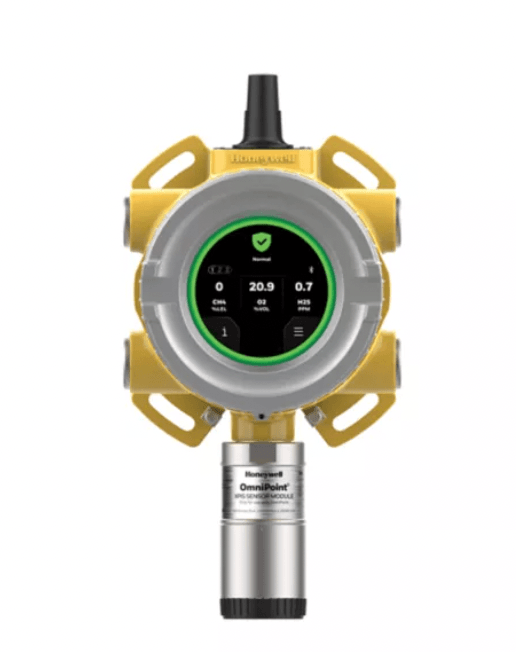
Fixed Methane Gas Detectors (Stationary Sensors)

Fixed gas detectors are permanently installed sensors designed for continuous monitoring in a specific area.

They’re ideal for industrial facilities, utility rooms, basements, and confined spaces where methane could accumulate.

How they work

Most fixed sensors use a catalytic bead (pellistor) or infrared (IR) technology to measure methane concentration in parts per million (ppm) or as a percentage of the Lower Explosive Limit (%LEL). When levels exceed a preset threshold, they trigger audible and visual alarms.

Best for

Industrial plants, boiler rooms, commercial kitchens, server rooms with gas cooling, and any high-risk enclosed space.

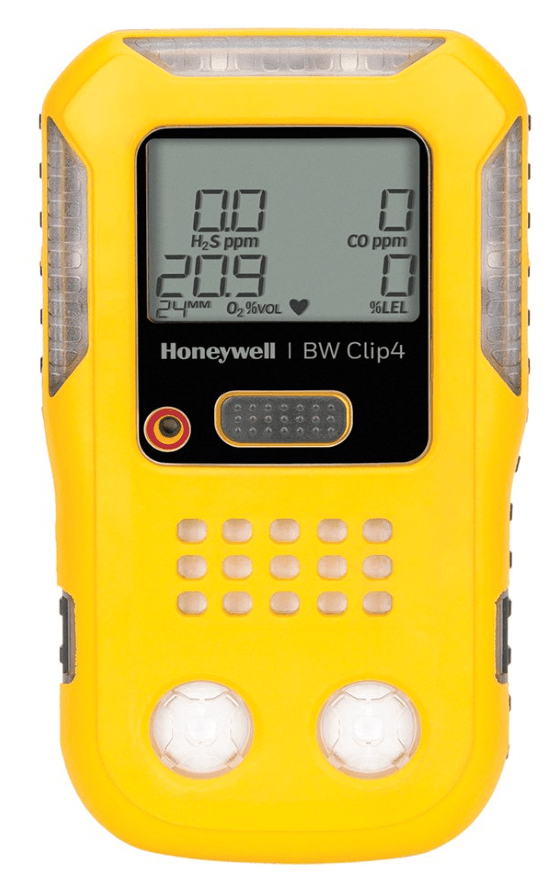
Portable (Handheld) Methane Gas Detectors

Portable detectors give technicians, inspectors, and first responders the ability to survey an area, pinpoint leak sources, and verify repairs. They offer flexibility that fixed systems cannot.

How they work

Handheld units typically use electrochemical sensors, metal oxide semiconductor (MOS) sensors, or photoionization detectors (PIDs).

The user moves the probe near suspected leak points and reads the real-time concentration display.

Best for

HVAC technicians, plumbers, safety inspectors, utility workers, and homeowners are investigating a suspected leak.

Combustible Gas Leak Detectors (Sniffers)

Gas “sniffers” are a consumer-friendly version of portable detectors, widely available and affordable for home use.

Many respond to a broad range of combustible gases, including methane, propane, and butane.

How they work

The device alerts via audible beeps and/or indicator lights when it detects combustible gas above a threshold. The closer you get to a leak source, the faster the alarm pattern.

Best for

Homeowners should do routine checks around gas appliances, connections, and utility meters. Not suitable for precise ppm measurements.

Soap Bubble Test (Manual Method)

The soap bubble test is a low-tech but surprisingly effective method for pinpointing leaks on gas pipes, connectors, and fittings. It’s a standard first-response technique used by plumbers and gas technicians.

How it works

Mix dish soap and water into a solution, then apply it generously around joints, valves, and connections. Methane (or any gas) leaking from that point will cause visible bubbles to form.

Best for

Checking specific joints and fittings after installation or repair. Not useful for detecting diffuse leaks or measuring concentration levels.

Infrared (LIDAR) and Optical Gas Imaging (OGI)

At the professional and industrial end of the spectrum, Optical Gas Imaging cameras and LIDAR-based (laser detection and ranging) systems allow technicians to visualize methane leaks as a visible “cloud” in real time, even from a distance.

How they work

OGI cameras use cooled infrared focal plane array detectors sensitive to the specific wavelengths absorbed by methane.

LIDAR systems emit laser pulses and analyze the backscatter to detect and quantify gas concentrations over large areas.

Best for

Pipeline inspections, oil and gas facilities, large industrial sites, and regulatory compliance monitoring. These systems are expensive but unmatched in sensitivity and coverage area.

Warning Signs of a Methane Leak

Even before you deploy a detector, the following warning signs may indicate a methane leak.

Warning SignWhat It May Indicate
Sulfur or “rotten egg” smellThe mercaptan additive in natural gas is detectable. Take this seriously immediately.
Dead vegetation in a patchUnderground pipe leak killing grass or plants from the roots up.
Bubbling in standing waterAn underground pipe leak is killing grass or plants from the roots up.
Hissing or whistling soundsGas escaping from a pressurized line or fitting.
Physical symptomsHeadache, dizziness, nausea, and possible oxygen displacement in an enclosed space.
Higher-than-normal gas billsUnexplained usage increase may indicate an undetected leak.

Step-by-Step: What to Do If You Detect Methane

If your detector alarms or you suspect a methane leak, follow these steps immediately.

  1. Do not operate any switches or electrical devices. Even a light switch can ignite gas. Leave things as they are.
  2. Evacuate immediately. Get all people (and pets) out of the building right away.
  3. Leave doors open as you exit. This helps ventilate the space without creating ignition.
  4. Do not use your phone inside the building. Move a safe distance away before calling.
  5. Call your gas utility and 911 from outside the building or a neighbor’s home.
  6. Do not re-enter until emergency responders or a qualified technician have declared it safe.

Choosing the Right Methane Detector for Your Needs

Not all detectors are equal. Use this quick guide to match your situation to the best option:

  • Homeowner / Renter: A combination natural gas + CO detector (like those from Kidde or First Alert) placed near gas appliances covers both key risks affordably.
  • HVAC / Plumbing Technician: A handheld combustible gas sniffer with a flexible probe is essential for checking connections and verifying repairs.
  • Industrial Facility: Fixed catalytic bead or IR sensors wired into a central gas detection system with automatic shut-off valves is the gold standard.
  • Oil & Gas / Pipeline: Optical Gas Imaging cameras and drone-mounted LIDAR sensors provide the best coverage for large-scale, regulatory-grade detection.
  • Farm / Agricultural: Portable multi-gas detectors that include methane (CH4) alongside hydrogen sulfide (H2S) are often necessary for manure or digester environments.

Methane Detector Placement: Where to Install Sensors

Even the best sensor is ineffective if it’s in the wrong location. Methane is lighter than air (molecular weight 16 vs. air’s ~29), so it rises and accumulates near ceilings and at the tops of enclosed spaces.

Placement tips

  • Installing sensors high on walls or near the ceiling, within 12 inches of the ceiling, is ideal for methane.
  • Place sensors within 10 feet of gas appliances (stoves, water heaters, furnaces).
  • Install in utility rooms, basements with gas lines, and attached garages if applicable.
  • Never place sensors directly above a cooktop or in areas with high heat or steam (false alarms or sensor damage).
  • For industrial or multi-zone settings, follow NFPA 72 and IEC 60079-29 standards for sensor spacing and placement.

Maintenance and Testing Your Methane Detector

A detector that isn’t maintained is nearly as dangerous as no detector at all. Follow these best practices.

  • Test monthly: Use the built-in test button (for alarm function) and a bump test gas can (for sensor function) monthly.
  • Calibrate annually: Professional calibration ensures the sensor reads accurately. Industrial detectors may require more frequent calibration.
  • Replace sensors on schedule: Most catalytic bead sensors last 2–5 years. Electrochemical sensors typically last 1–3 years. Check your manufacturer’s specifications.
  • Keep logs: For commercial or industrial environments, document all tests, calibrations, and alarm events for compliance purposes.
  • Clean gently: Dust and debris can block sensor ports. Wipe the exterior carefully without using solvents or spraying cleaners near the sensor head.

Frequently Asked Questions About Methane Detection

Can I smell methane gas?

Pure methane is odorless. However, natural gas supplied by utilities has mercaptan (a sulfur compound) added specifically so you can smell it.

If you smell “rotten eggs” or sulfur near a gas appliance or pipe, treat it as a potential methane leak.

Is a carbon monoxide (CO) detector the same as a methane detector?

No. CO detectors sense carbon monoxide, a byproduct of incomplete combustion, not methane itself.

You need a dedicated natural gas/methane detector or a combination gas+CO unit to detect both hazards. Many modern combination units cover both.

How long does a methane detector last?

Sensor lifespan varies by technology: catalytic bead sensors typically last 3–5 years, while electrochemical sensors last 1–3 years.

Always follow the manufacturer’s replacement schedule, as expired sensors may fail to alarm even during a genuine leak.

What concentration of methane is dangerous?

Methane becomes explosive between 5% (50,000 ppm) and 15% by volume in air, the flammable range.

However, health effects from oxygen displacement can occur at concentrations above 25%. Most detectors alarm well below these thresholds for early warning.

Final Thoughts: Don’t Leave Methane Detection to Chance

Methane gas detection isn’t complicated, but it does require the right tool for your specific environment, correct placement, and regular maintenance.

Whether you’re protecting a single-family home or overseeing an industrial plant, the steps are the same: know your risk, deploy the right detector, test it regularly, and have a clear action plan for when alarms sound.

At SafeguardSense, we’re committed to helping you make informed decisions about gas detection equipment and safety systems.

Explore our product reviews, buyer’s guides, and expert comparisons to find the best methane detector for your needs.

Stay safe because the best time to detect a leak is before you know it’s there.

How to Choose the Right LEL Gas Detector

Choosing the right LEL gas detector isn’t a decision you can afford to get wrong. In environments where flammable gases or vapors are present, such as oil refineries, chemical plants, wastewater facilities, mines, or any confined space, a reliable combustible gas detector is the difference between a safe workday and a catastrophic explosion.

But with dozens of models on the market, each boasting different sensor technologies, detection ranges, certifications, and form factors, knowing where to start can feel overwhelming.

This guide walks you through everything you need to know to choose the right LEL gas detector for your specific application so you can protect your team with confidence.

What Is an LEL Gas Detector?

LEL stands for Lower Explosive Limit, the minimum concentration of a flammable gas or vapor in air required for ignition.

Below the LEL, there isn’t enough fuel to sustain combustion. Above the UEL (Upper Explosive Limit), there’s too little oxygen. The dangerous zone is everything in between.

An LEL gas detector continuously measures the concentration of combustible gases in the air and alerts workers when levels approach that dangerous threshold. Most detectors display readings as a percentage of LEL (e.g., 10% LEL, 50% LEL) rather than in raw parts per million (ppm).

Common LEL thresholds for workplace alarm settings:

  • 10% LEL: Low alarm (early warning)
  • 25% LEL: High alarm (evacuate area)

Why it matters

OSHA and most safety standards require action well before a gas reaches 100% LEL. Detecting gas early gives workers time to evacuate and prevents ignition.

5 Key Factors to Consider When Choosing an LEL Gas Detector

Identify the Target Gas (or Gases)

The single most important question: What gas or vapor are you trying to detect?

Different gases have vastly different LEL values, molecular weights, and chemical properties. A detector calibrated for methane may not accurately measure propane or hydrogen at the same concentration. Common gases requiring LEL monitoring include:

  • Methane (CH₄): natural gas, landfills, wastewater.
  • Propane / Butane: LPG storage, construction.
  • Hydrogen (H₂): battery rooms, chemical processing.
  • Gasoline / Petroleum vapors: fuel storage, automotive.
  • Acetylene: welding operations.
  • Ammonia: refrigeration, agriculture.

Key takeaway

Always choose a detector that is specifically calibrated, or at a minimum, cross-referenced, for your target gas. If you’re monitoring multiple gases, consider a multi-gas detector.

Choose the Right Sensor Technology

The sensor type is the heart of any LEL gas detector. Each technology has strengths and limitations:

Catalytic Bead (Pellistor) Sensors

The most widely used sensor technology for LEL detection. A heated wire element (bead) oxidizes combustible gas, creating a measurable change in electrical resistance.

Pros

  • Proven, reliable technology with decades of field use.
  • Works for a wide range of combustible gases.
  • Relatively low cost.

Cons

  • Can be “poisoned” by silicones, lead compounds, and halogenated hydrocarbons.
  • Requires oxygen to function (won’t detect in oxygen-deficient environments).
  • Gradual sensor drift requires regular calibration.

Best for

General industrial use, oil and gas, confined space entry.

Infrared (IR) Sensors

Uses infrared light absorption to detect specific gas molecules. Because hydrocarbons absorb IR light at characteristic wavelengths, the detector can identify and quantify them without a catalytic reaction.

Pros

  • Immune to sensor poisoning.
  • Functions in oxygen-deficient or oxygen-enriched environments.
  • Longer sensor life (often 5+ years).
  • Lower long-term maintenance costs.

Cons

  • Higher upfront cost.
  • Does not detect hydrogen (H₂ doesn’t absorb IR light).
  • Less effective for some polar gases.

Best for

Environments with silicone compounds, high-value assets where sensor poisoning is a risk, offshore and subsea applications

Photoionization Detection (PID) Sensors

Uses UV light to ionize gas molecules. While primarily used for VOC (volatile organic compound) detection, some PID sensors measure the LEL of certain gases.

Pros

  • Extremely sensitive (can detect sub-ppm concentrations).
  • Good for aromatic hydrocarbons and many VOCs.

Cons

  • Not suitable for methane or other simple alkanes.
  • The lamp requires periodic replacement.
  • Affected by humidity.

Best for

Petrochemical sites, environmental remediation, hazmat response

Sensor Comparison Table

Sensor TypeBest ForOxygen RequiredPoison-ResistantDetects H₂
Catalytic BeadGeneral combustiblesYesNoYes
Infrared (IR)Hydrocarbons, harsh environmentsNoYesNo
PIDVOCs, aromaticsNoYesNo

Decide Between Portable and Fixed Gas Detectors

Portable LEL Gas Detectors

Portable, wearable, or handheld devices designed for workers who move through different areas. They clip to a shirt collar or belt and sound an alarm when gas is detected.

When to choose a portable

  • Confined space entry (OSHA 1910.146 compliance).
  • Maintenance workers who move between areas.
  • Emergency response and hazmat teams.
  • Bump testing before entering unknown environments.

Types of portable detectors

  • Single-gas detectors: Compact, low-cost, dedicated to one gas
  • Multi-gas detectors: Monitor LEL plus O₂, CO, H₂S simultaneously (ideal for confined space work).

Fixed LEL Gas Detection Systems

Permanently installed sensors wired to a central control panel that monitors multiple zones continuously 24/7, even when no workers are present.

When to choose fixed.

  • Unmanned equipment rooms, pump stations, compressor buildings.
  • Facilities requiring continuous monitoring per code (IFC, NFPA 72).
  • Areas with high gas-release risk (valve manifolds, storage tanks).
  • Integration with facility alarm and shutdown systems.

Key advantage of fixed systems

They can trigger automated responses that shut down ventilation, activate suppression systems, or lock out ignition sources faster than any human response.

Verify Certifications and Ratings

A gas detector used in a hazardous environment must be intrinsically safe, meaning it cannot itself become an ignition source. Look for these certifications:

Intrinsic Safety / Explosion-Proof Ratings

  • UL/cUL Listed (United States/Canada): Underwriters Laboratories certification.
  • ATEX (Europe): Atmosphères Explosibles certification.
  • IECEx (International): Globally recognized intrinsic safety standard.
  • FM Approved: Factory Mutual certification is common in industrial settings.

IP (Ingress Protection) Rating

The IP rating tells you how well the detector is protected from dust and water.

  • IP54: Dust protected, splash resistant (light industrial).
  • IP65: Dust-tight, low-pressure water jets (outdoor use).
  • IP67: Submersion up to 1 meter (harsh environments).
  • IP68: Continuous submersion (extreme conditions).

Gas Group Classifications

Different gases require different levels of containment. Ensure the detector is rated for your gas group.

  • Group IIA: Propane, acetylene reference.
  • Group IIB: Ethylene.
  • Group IIC: Hydrogen (the most demanding requires the highest protection).

Pro tip

Always check that the detector’s certification matches your facility’s hazardous area classification (Class I, Division 1 or 2 in the U.S.; Zone 0, 1, or 2 under IEC standards).

Evaluate Maintenance, Calibration, and Total Cost of Ownership

The purchase price is just the beginning. The real cost of a gas detector includes calibration gas, replacement sensors, training, and downtime.

Bump Testing

A bump test (functional test) exposes the sensor to a known concentration of gas to verify it responds correctly.

Most safety standards, including OSHA, ANSI/ISA, and manufacturer recommendations, require bump testing before each use for portable detectors.

Calibration

Full calibration adjusts the detector’s output to match a certified reference gas. Calibration frequency depends on.

  • Manufacturer recommendation (typically every 3–6 months).
  • Regulatory requirements.
  • Environmental conditions (harsh environments need more frequent calibration).

Sensor Lifespan

Sensor TypeTypical Lifespan
Catalytic Bead2–3 years (standard conditions)
Infrared5–10 years
Electrochemical1–3 years

Questions to ask before you buy

  • How easy is it to replace the sensor in the field?
  • Is calibration gas available locally?
  • Does the manufacturer offer a calibration docking station?
  • What is the warranty period?
  • Are data logging and PC connectivity available for compliance records?

Additional Features to Look For

Beyond the core specifications, these features can significantly improve usability and safety:

  • Datalogging: Stores gas readings over time for compliance reporting and incident investigation.
  • Man-down / Panic alarm: Alerts if the worker becomes incapacitated (accelerometer-based).
  • Wireless connectivity — Allows real-time monitoring from a control room (Bluetooth, Wi-Fi, or mesh radio)
  • TWA/STEL tracking — Calculates time-weighted average and short-term exposure limits automatically
  • Audible, visual, and vibrating alarms: Critical in loud environments where audible alarms alone may not be heard.
  • Large, backlit display: Essential for low-light conditions.
  • Long battery life: Full shift capability (8–12+ hours) without recharging.

Industry-Specific Recommendations

IndustryRecommended Detector TypePriority Features
Oil & GasMulti-gas portable + fixed IRATEX/IECEx cert, wireless monitoring
Confined Space EntryMulti-gas portable (LEL + O₂ + CO + H₂S)Man-down alarm, datalogging
Wastewater / UtilitiesMulti-gas portableH₂S detection, robust IP rating
Battery RoomsH₂-specific detectorIR or catalytic bead rated for Group IIC
Chemical PlantsFixed IR system + portable backupSensor poison immunity, fast response time
MiningIntrinsically safe portableRugged housing, extended battery life

Top Mistakes to Avoid

Using the wrong calibration gas

Always calibrate with a gas mixture that matches your target gas. Using methane calibration for a propane environment produces inaccurate readings.

Skipping bump tests

A detector that passed calibration last month can fail today due to sensor poisoning or physical damage. Bump test before every entry.

Ignoring sensor poisoning

If your environment contains silicones (common in many industrial products), catalytic bead sensors will degrade rapidly. Switch to IR sensors.

Buying based on price alone

A $50 difference in purchase price means nothing if the sensor fails prematurely or requires expensive proprietary calibration gas.

Neglecting fixed detection in unmanned spaces

Portable detectors only protect workers who are present. Compressor rooms and equipment buildings need continuous fixed monitoring.

Quick-Reference Checklist: How to Choose the Right LEL Gas Detector

Before making your decision, work through this checklist.

  • Identified the target gas(es) and their LEL values.
  • Determined the appropriate sensor technology (catalytic, IR, or PID).
  • Chosen between portable and fixed (or both).
  • Verified intrinsic safety certification (ATEX, UL, IECEx, FM).
  • Confirmed IP rating matches the environment.
  • Evaluated sensor lifespan and replacement cost.
  • Confirmed availability of calibration gas.
  • Assessed alarm types (audible, visual, vibration) for the environment.
  • Reviewed datalogging and connectivity needs.
  • Checked compliance with applicable standards (OSHA, NFPA, local codes).

Final Thoughts

Choosing the right LEL gas detector comes down to understanding your specific hazards, environment, and compliance requirements, then matching those needs to the right sensor technology, form factor, and certifications. There’s no one-size-fits-all answer, but there is always a right answer for your situation.

At SafeguardSense, we’re committed to helping safety professionals and facility managers make informed decisions about gas detection equipment. Browse our gas detector guides and product reviews to find the solution that fits your operation because the right detector isn’t just a purchase, it’s a promise to your team.

Have questions about LEL gas detection for your specific industry? Drop a comment below or contact our team. We’re here to help.

How to Reduce Flame Detector False Alarms

False alarms from flame detectors are more than a nuisance; they disrupt operations, drain resources, erode trust in safety systems, and, in the worst cases, cause personnel to ignore warnings when a real fire breaks out.

If your facility is struggling with frequent false trips, you’re not alone. Understanding why false alarms happen and how to systematically reduce them is one of the most important steps you can take toward a safer, more efficient operation.

In this guide, we cover the root causes of flame detector false alarms, practical steps to minimize them, and how modern technology is changing the game.

What Causes Flame Detector False Alarms?

Before you can fix a false alarm problem, you need to understand what’s triggering it. The most common culprits fall into a few broad categories:

Wrong Detector Technology for the Environment

Not every flame detector is suited for every application. Choosing the wrong type for your environment is one of the leading causes of chronic false alarms.

  • UV (Ultraviolet) detectors are highly sensitive and can detect flames almost instantly, but that sensitivity cuts both ways. They are prone to false alarms triggered by arc welding, lightning flashes, intense artificial lighting, and direct sunlight. If your facility involves frequent welding or has significant UV exposure, a UV-only detector will likely cause problems.
  • Single IR (Infrared) detectors monitor the infrared radiation emitted by CO₂ in flames, but they can also be triggered by other hot objects and surfaces, such as ovens, heat lamps, process equipment, that produce similar IR signatures without any actual fire.
  • UV/IR combination detectors require both UV and IR signals simultaneously before triggering an alarm, which significantly improves false alarm immunity. However, they can still be tripped if either sensor band is affected by an external non-flame source.
  • Multi-Spectrum Infrared (MSIR) and Triple-IR detectors analyze multiple infrared wavelengths and their ratios to one another, making them far better at distinguishing actual flame signatures from background radiation and environmental noise.

Selecting the right detector technology for your specific environment is the single most impactful decision you can make to reduce false alarms.

Poor Detector Placement

Even the most advanced detector will produce false alarms if it’s pointed in the wrong direction or mounted in the wrong location. Common placement mistakes include.

Pointing detectors toward sunlight paths

Solar radiation is a frequent false alarm source for both UV and IR detectors, especially at sunrise and sunset.

Aiming at reflective surfaces

Heat reflections from metal equipment, tanks, or piping can mimic the signature of a real flame.

Installing detectors near welding stations or heat-generating equipment without accounting for the interference those sources create.

Placing detectors too close to vibrating machinery

Certain IR detectors are sensitive to flickering and movement, and machinery vibration can produce misleading signals.

Dirty or Contaminated Optical Windows

Dust, soot, oil mist, and condensation that accumulate on a detector’s optical window reduce sensitivity and can produce erratic, unreliable readings.

A partially obscured optical window may generate fault signals that are misread as alarms, or cause the detector to behave unpredictably as it attempts to compensate for reduced signal strength.

This is a leading operational issue in refineries, chemical plants, and other dusty or greasy environments.

Sensitivity Settings That Are Too High

Many flame detectors ship with factory sensitivity settings that are designed for controlled laboratory conditions, not the complex electromagnetic and thermal environment of a real industrial site.

Sensitivity that’s calibrated too high will cause the detector to react to minor fluctuations, a passing vehicle, a momentary reflection, or a brief heat pulse that has nothing to do with an actual fire.

Environmental Interference

Industrial environments are full of sources that can confuse flame detectors.

  • Sunlight and solar flares (especially for UV detectors).
  • Flare stacks, process burners, and furnaces within the detector’s field of view.
  • Steam plumes and high-humidity conditions.
  • Hot gas emissions from nearby equipment.
  • Electrical noise and electromagnetic interference are affecting detector electronics.

7 Proven Strategies to Reduce Flame Detector False Alarms

Match the Detector Type to Your Application

This is the foundation of false alarm reduction. Conduct a thorough site assessment before specifying or replacing detectors. Key questions to answer.

  • What types of fires are you protecting against (hydrocarbon, hydrogen, alcohol, etc.)?
  • What are the dominant sources of interference in the area (sunlight, welding, hot equipment)?
  • What are the detection range requirements?
  • What are the environmental conditions (dust, humidity, temperature extremes)?

For most modern industrial applications in oil and gas, chemical processing, and manufacturing, UV/IR or MSIR detectors offer the best balance between sensitivity and false alarm immunity.

Triple-IR detectors are particularly well-suited for outdoor environments with high solar exposure or facilities that have large flare stacks nearby.

Improve Detector Placement and Orientation

Strategic placement is one of the lowest-cost, highest-impact improvements you can make. Follow these best practices.

  • Use sun shields or hoods to block direct and indirect solar radiation from reaching the detector’s optical window.
  • Angle detectors to avoid solar paths: map the arc of the sun relative to your detector locations and adjust mounting angles to minimize exposure, especially during the morning and evening hours when the sun is low on the horizon.
  • Keep detectors away from known interference sources like welding stations, flare stacks, steam vents, and process burners, or shield the detector’s field of view from those sources.
  • Use 3D modeling software to plan detector placement before installation, especially in complex offshore or FPSO environments where reflective surfaces and flare stacks are abundant.

As a general rule, NFPA 72 recommends that sensitivity settings be tested and verified under actual operating conditions at your site, not just at factory defaults.

Implement Time Delays

A brief, programmable time delay between a triggering event and the actual alarm output is one of the simplest and most effective tools against false alarms.

A delay of just 1 to 5 seconds is typically enough to filter out transient events, a brief flash, a momentary reflection, or a quick burst of heat while still providing fast enough response times for real fire events.

Most modern flame detectors allow you to configure alarm delay times. For SIL-rated safety systems, ensure that any delay implemented is within the parameters of your safety case and does not compromise your target response time.

Adjust Sensitivity Settings for Your Environment

Work with your detector manufacturer or a qualified fire and gas system integrator to calibrate sensitivity settings based on your specific site conditions.

Sensitivity that is too high will produce nuisance alarms; sensitivity that is too low risks missing actual fires. The right setting is a site-specific balance.

Keep a log of false alarm events, noting the time, weather conditions, nearby activities, and any environmental factors, to identify patterns. This data will help you fine-tune sensitivity settings intelligently over time.

Establish a Regular Maintenance and Cleaning Schedule

Clean optical windows are non-negotiable. Establish a scheduled maintenance program that includes:

  • Regular visual inspections of all detector optical windows.
  • Cleaning protocols for dusty, oily, or condensation-prone environments (frequency depends on conditions, but quarterly at a minimum is a common starting point).
  • Self-test verification: Many modern detectors have built-in test functions that verify the optical path and electronics are functioning correctly; schedule and document these tests.
  • Window integrity checks after any nearby maintenance work, process upsets, or events that may have contaminated the optical surface.

It’s worth noting that some advanced detectors include a “dirty window” fault output that alerts maintenance teams when cleaning is needed, reducing the risk of both false alarms and missed detections caused by contamination.

Upgrade to Multi-Spectrum or AI-Enhanced Detection

If your facility is running older single-technology detectors and false alarms are a persistent problem, upgrading to more advanced technology may be the most cost-effective long-term solution.

Multi-Spectrum Infrared (MSIR) detectors analyze multiple IR wavelength bands simultaneously and use algorithms to distinguish the specific spectral profile of a real flame from background radiation.

They are significantly less susceptible to false alarms from sunlight, hot equipment, or other common industrial interference sources.

Artificial Neural Network (ANN)-based flame detectors represent the current cutting edge of false alarm reduction.

ANNs are trained on extensive datasets of spectral data from both real flames and common interference sources, allowing them to discern subtle differences that simpler threshold-based detectors cannot.

These systems can dramatically improve detection accuracy while minimizing false alarm rates, making them particularly valuable in high-consequence, high-interference environments.

In fact, recent product launches from major manufacturers reflect this trend: Honeywell’s latest multi-IR flame detector is designed to reduce false alarms by nearly 38%, while Halma’s new AI-driven detection solution boosts response precision by approximately 35%.

Use Voting Logic in Your Fire and Gas System

In critical areas, consider implementing voting logic in your fire and gas control system. Rather than triggering an alarm or suppression action on a single detector’s signal, the system requires confirmation from two or more detectors before taking action. Common configurations include:

  • 1-out-of-2 (1oo2): Either detector can alarm, maximizing detection, but can increase false alarms.
  • 2-out-of-2 (2oo2): Both detectors must alarm to reduce false alarms, but can reduce detection reliability if one detector fails.
  • 2-out-of-3 (2oo3): Two of three detectors must alarm the most common configuration for balancing detection reliability with false alarm reduction in high-consequence areas.

Voting logic won’t replace proper detector selection and placement, but it adds a powerful system-level layer of protection against nuisance trips.

When False Alarms Become a Safety Risk

It’s important to recognize that chronic false alarms don’t just cost money; they create genuine safety risks.

When personnel become accustomed to frequent nuisance alarms, they begin to treat all alarms with skepticism.

This “alarm fatigue” is a well-documented phenomenon in industrial safety and can lead to delayed or inadequate responses when a real emergency occurs.

Reducing false alarms isn’t just about operational efficiency. It’s about maintaining the integrity of your safety culture and ensuring that when an alarm sounds, your team responds with urgency and confidence.

Key Takeaways

Reducing flame detector false alarms requires a multi-layered approach.

  • Select the right detector technology for your specific environment and fire hazard profile.
  • Optimize detector placement to minimize exposure to known interference sources.
  • Configure appropriate sensitivity settings and time delays based on site-specific conditions.
  • Maintain a regular cleaning and inspection schedule to keep optical windows clear.
  • Consider upgrading to MSIR or ANN-enhanced detection if older technology is contributing to chronic false alarms.
  • Implement voting logic at the system level for additional protection in critical areas.

A proactive approach to false alarm management protects your assets, keeps your team alert and responsive, and ensures your flame detection system does what it was designed to do: detect real fires fast and reliably.

Have questions about flame detector selection, placement, or maintenance for your facility? Explore more expert resources at SafeguardSense.com or get in touch with our team.

What Is a PID Gas Detector, and How Do They Work?

Whether you work in industrial hygiene, hazmat response, environmental monitoring, or confined space entry, you’ve likely heard the term “PID detector.” But what exactly is a PID gas detector, how does it work, and when should you use one?

This guide breaks it all down from the science behind photoionization to real-world applications and buying considerations.

What Is a PID Gas Detector?

A PID gas detector, short for Photoionization Detection gas detector, is a portable or fixed instrument used to detect and measure the concentration of volatile organic compounds (VOCs) and other gases in the air.

PID detectors are widely used in occupational health and safety, environmental site assessment, industrial hygiene, and emergency response.

Unlike combustible gas detectors that only tell you whether a gas is present and flammable, PID detectors can measure very low concentrations of a broad range of chemical compounds, often down to parts per billion (ppb) levels. This makes them an essential tool wherever low-level chemical exposure is a concern.

How Does a PID Gas Detector Work?

The core technology behind a PID detector is photoionization, a process that uses ultraviolet (UV) light to ionize gas molecules and measure their concentration.

Here’s a step-by-step breakdown of how the process works.

Air Sample Enters the Sensor Chamber

Air either drawn in by a pump or diffusing naturally enters the detector’s sensor chamber. The chamber is designed to concentrate the sample around a UV lamp.

UV Light Ionizes Gas Molecules

Inside the chamber, a UV lamp emits photons at a specific energy level (measured in electron volts, or eV).

When those photons strike molecules of certain gases, they knock an electron loose, a process called ionization. This converts the neutral gas molecule into a positively charged ion.

The key point here is that only molecules with an ionization potential (IP) lower than the energy of the UV lamp will be ionized.

This selectivity is what makes PID detectors so powerful. By choosing the right lamp, you can target specific classes of compounds.

Ions Generate an Electrical Current

The freed electrons and positively charged ions move toward oppositely charged electrodes inside the sensor chamber, creating a measurable electrical current. The stronger the current, the higher the concentration of ionizable gas in the sample.

The Detector Converts Current to a Reading

The instrument’s electronics convert the electrical current into a concentration reading typically displayed in parts per million (ppm) or parts per billion (ppb) on the device’s screen.

What UV Lamp Energies Are Used in PID Detectors?

The UV lamp is the heart of a PID detector, and different lamp energies are used to target different groups of compounds. The most common lamp energies are.

Most common; detects a wide range of VOCs, including benzene, toluene, and xyleneCommon Use Cases
10.6 eVMost common: detects a wide range of VOCs, including benzene, toluene, and xylene.
9.8 eVMore selective; useful when you want to exclude certain compounds like ammonia.
11.7 eVHigh-energy lamp; detects compounds with high ionization potentials like formaldehyde and some chlorinated solvents.

The 10.6 eV lamp is by far the most widely used because it offers the best balance between sensitivity and breadth of detection.

However, it’s important to note that a PID detector cannot detect gases whose ionization potential exceeds the lamp energy. For example, methane (IP: 12.6 eV) is not detectable by a standard 10.6 eV PID lamp.

What Gases Can a PID Detector Detect?

PID detectors are primarily used to detect volatile organic compounds (VOCs), but they can identify a surprisingly wide range of substances. Common gases and compound classes detectable by a PID include:

  • Aromatic hydrocarbons: benzene, toluene, ethylbenzene, xylene (BTEX).
  • Aliphatic hydrocarbons: hexane, heptane, isobutylene.
  • Chlorinated solvents: trichloroethylene (TCE), perchloroethylene (PCE).
  • Ketones and alcohols: acetone, isopropyl alcohol (IPA).
  • Ammonia and amines (with an appropriate lamp).
  • Hydrogen sulfide (with an appropriate lamp).
  • Styrene, formaldehyde, and many other industrial chemicals.

What a PID Detector Cannot Detect?

It’s equally important to know the limitations. PID detectors cannot reliably detect.

  • Methane and natural gas ionization potentials are too high for standard lamps.
  • Carbon monoxide (CO) requires electrochemical sensors.
  • Carbon dioxide (CO₂).
  • Simple inorganic gases like nitrogen, oxygen, or hydrogen (in most configurations).

For complete workplace gas monitoring, PID detectors are often used alongside multi-gas detectors that cover oxygen deficiency, CO, H₂S, and combustibles.

Correction Factors: Why Raw PID Readings Need Adjustment

One important concept in PID detection is the correction factor (CF). Most PID detectors are calibrated using isobutylene as a reference gas because it responds predictably and is safe to handle.

However, different gases ionize at different efficiencies. A reading of 50 ppm on a PID calibrated to isobutylene doesn’t necessarily mean 50 ppm of the actual gas; the instrument’s response will be higher or lower depending on the compound.

To get an accurate concentration reading, you must apply the appropriate correction factor for the specific compound you’re monitoring.

Most modern PID detectors come with built-in correction factor libraries, allowing you to select the target gas and have the instrument automatically adjust readings.

Common Applications of PID Gas Detectors

PID detectors are used across a wide range of industries and scenarios. Here are some of the most common.

Industrial Hygiene and Worker Safety

Industrial facilities use PID detectors to monitor worker exposure to VOCs in real time. Whether in a paint shop, chemical plant, printing facility, or laboratory, a PID can alert workers before they reach dangerous exposure levels.

Confined Space Entry

Before and during entry into tanks, sewers, vaults, or other confined spaces, PID detectors help identify toxic vapor hazards that might not be detectable by standard combustible gas sensors.

Environmental Site Assessment

Environmental consultants use PID detectors during Phase II environmental assessments, soil sampling, and groundwater investigations to screen for hydrocarbon contamination and identify “hot spots” in real time.

Hazmat and Emergency Response

First responders and hazmat teams carry PID detectors to quickly characterize unknown chemical releases, assess the extent of contamination, and determine safe perimeters.

Leak Detection

Industries handling chemicals, solvents, and fuels use PIDs to locate leaks in pipelines, storage tanks, and processing equipment before they become a major hazard or compliance issue.

Indoor Air Quality (IAQ)

Building inspectors, industrial hygienists, and environmental professionals use PID detectors to evaluate indoor air quality, investigating complaints related to chemical odors, off-gassing materials, or sick building syndrome.

PID Detector vs. Other Gas Detection Technologies

It helps to understand how PID detectors compare to other common sensor technologies:

TechnologyBest ForLimitations
PIDBroad VOC detection at low concentrations.Cannot detect methane, CO, or CO₂.
Catalytic bead (LEL sensor)Combustible gases and flammable vapors.Not sensitive at low ppm levels.
ElectrochemicalSpecific toxic gases (CO, H₂S, O₂).Limited to the specific gas it’s designed for.
Infrared (IR)Hydrocarbons and CO₂.More expensive; limited compound range.
Flame ionization (FID)Total hydrocarbon measurement.Not portable; requires hydrogen fuel gas.

In many high-risk environments, a combination instrument that pairs a PID sensor with electrochemical sensors for O₂, CO, and H₂S provides the most comprehensive protection.

Key Features to Look for When Buying a PID Detector

If you’re evaluating PID gas detectors for your team or facility, here are the most important features to consider:

Detection Range and Sensitivity

Look for instruments with a detection range appropriate for your application. Some PIDs are optimized for high-concentration measurements (0–2,000 ppm), while others specialize in ultra-low-level detection (ppb range) for indoor air quality work.

Lamp Energy

As discussed, the 10.6 eV lamp is the best all-around choice for most VOC detection. If you’re working with compounds that require higher energy for ionization, look for instruments with 11.7 eV lamp options.

Correction Factor Library

A built-in library of correction factors, preferably updatable, saves time and reduces human error when switching between target compounds.

Pump vs. Diffusion Sampling

Pumped instruments actively draw air samples from a distance, which is useful for confined space pre-entry checks or remote sampling.

Diffusion-based detectors rely on gas passively reaching the sensor, which is simpler and better for continuous personal monitoring.

Data Logging

For regulatory compliance and documentation, choose a PID with onboard data logging and the ability to export readings to a computer or cloud platform.

Wireless Connectivity

Modern PID detectors increasingly offer Bluetooth or Wi-Fi connectivity, enabling real-time monitoring, remote alarms, and fleet management through safety management software.

Battery Life and Ruggedness

Look for instruments rated for your environmental conditions. Dusty, wet, or explosive atmospheres may require intrinsically safe (IS) or ATEX-rated units. Battery life of 8–12 hours is typically sufficient for a full shift.

Lamp Maintenance

UV lamps require periodic cleaning and eventual replacement. Consider how easy it is to clean and replace the lamp on any device you’re evaluating, and factor in the ongoing cost of consumables.

How to Calibrate a PID Gas Detector

Proper calibration is essential for accurate PID readings. Most manufacturers recommend a two-point calibration process.

Zero calibration

The detector is exposed to clean, fresh air (or zero-grade gas) to establish a baseline of zero.

Span calibration

A known concentration of calibration gas (typically isobutylene at a certified concentration) is applied to the sensor to set the upper reference point.

    Calibration should be performed before each use or according to manufacturer guidelines, typically daily for instruments used in safety-critical environments.

    Annual factory calibrations or service checks are also recommended to verify sensor performance and replace aging lamps.

    Frequently Asked Questions About PID Gas Detectors

    How accurate are PID gas detectors?

    When properly calibrated and used with the correct correction factor, PID detectors can be highly accurate, typically within ±5–10% of the actual concentration.

    Accuracy can be affected by humidity, temperature, lamp condition, and the presence of compounds that interfere with ionization.

    Can a PID detector be used in explosive atmospheres?

    Standard PID detectors are not necessarily rated for use in explosive atmospheres. If you’re working in areas with potentially flammable concentrations of gas, choose an intrinsically safe (IS) or ATEX/IECEx-certified PID detector.

    How often should PID lamp windows be cleaned?

    The UV lamp’s optical window can become fouled by dust, moisture, or chemical residue, which reduces sensitivity.

    Cleaning frequency depends on usage conditions, but many manufacturers recommend inspecting and cleaning the lamp window weekly during regular use.

    What is the difference between a PID and an FID?

    Both measure VOCs, but a PID (Photoionization Detector) uses UV light and is portable and battery-powered, making it practical for field use.

    An FID (Flame Ionization Detector) uses a hydrogen flame and is more sensitive but requires a hydrogen fuel supply, making it primarily a laboratory or vehicle-mounted instrument.

    Can a PID detect all VOCs?

    No. A PID can only detect compounds with an ionization potential below the energy of its UV lamp. Some VOCs, particularly smaller, simpler molecules like methane and ethane, have high ionization potentials and are essentially invisible to a standard PID detector.

    Final Thoughts

    A PID gas detector is one of the most versatile and powerful tools in the gas detection toolkit. Its ability to detect a broad spectrum of volatile organic compounds at very low concentrations makes it indispensable for industrial hygiene professionals, environmental consultants, first responders, and safety managers across countless industries.

    Understanding how photoionization detection works and knowing the limitations of the technology is the key to using PID detectors effectively and making informed purchasing decisions.

    If you’re building out a gas detection program or upgrading your existing equipment, a PID detector paired with a multi-gas monitor gives you the broadest possible coverage for both VOC hazards and common toxic/asphyxiant gases.

    Looking for more expert guidance on gas detection equipment? Explore our full library of safety resources at SafeguardSense.com.

    What is PPM in a Gas Detector: Understanding Parts Per Million

    If you’ve ever looked at a gas detector readout and wondered what “PPM” means, you’re not alone.

    PPM is one of the most important and most misunderstood measurements in workplace gas safety.

    Whether you’re managing confined space entry, monitoring industrial air quality, or simply trying to understand your equipment, knowing what PPM means (and what it means for you) could save a life.

    In this guide, we’ll break down everything you need to know about PPM in gas detectors: what it is, how it works, why it matters, and how to interpret the readings on your device.

    What Does PPM Stand For?

    PPM stands for “parts per million.” It is a unit of concentration used to express how many units of a substance exist within one million units of a mixture, in this case, air.

    Think of it this way: if you dropped one drop of ink into roughly 50 liters of water, the resulting concentration would be about 1 PPM.

    Now apply that concept to toxic or flammable gases in the air you breathe at work, and the importance of precision becomes clear.

    PPM is used because many hazardous gases become dangerous at extremely low concentrations, far too small to be expressed in percentages without adding many decimal places.

    Instead of writing “0.0001% carbon monoxide,” we write “1 PPM CO.” It’s cleaner, more precise, and more practical for real-world safety monitoring.

    What is PPM in a Gas Detector?

    In the context of a gas detector, PPM refers to the concentration of a specific target gas in the surrounding air, measured in parts per million by volume (ppmv).

    Your gas detector continuously samples the ambient air and uses an internal sensor to identify and quantify gas molecules.

    The result is displayed on the screen as a PPM value, a real-time reading of how much of that gas is present in the environment around you.

    For example.

    • A carbon monoxide (CO) reading of 35 PPM means there are 35 molecules of CO for every 1,000,000 molecules of air.
    • A hydrogen sulfide (H₂S) reading of 10 PPM is already approaching dangerous exposure levels for many workers.

    These numbers directly inform whether an area is safe to enter, whether you need to evacuate, or whether ventilation is required.

    PPM vs. Percentage (%): What’s the Difference?

    Gas detectors often display readings in both PPM and percentage (%), and it’s critical not to confuse them.

    UnitBest ForExample
    PPM (Parts Per Million)Toxic gases at low concentrationsCO at 35 PPM
    % VolumeHigh-concentration gases (oxygen, CO₂)O₂ at 20.9%
    % LEL (Lower Explosive Limit)Flammable/combustible gasesMethane at 10% LEL

    The conversion is straightforward:

    1% = 10,000 PPM

    So 0.005% CO is the same as 50 PPM CO. When your detector switches between these units, it’s not changing what it’s measuring, just how it’s expressing it.

    Why Some Gases Use %, and Others Use PPM

    Gases like oxygen and carbon dioxide exist in large concentrations in normal air (20.9% O₂ and ~0.04% CO₂), so percentages make sense.

    Toxic gases like carbon monoxide, hydrogen sulfide, ammonia, and chlorine are dangerous at trace levels measured in the single-digit or low double-digit PPM, so using percentages would produce unwieldy numbers like 0.001%, which is far harder to interpret quickly in a hazardous environment.

    Why PPM Matters for Gas Detection Safety?

    Understanding PPM is not just academic; it directly affects worker safety decisions and regulatory compliance.

    Regulatory Exposure Limits Are Set in PPM

    OSHA, NIOSH, and ACGIH all publish occupational exposure limits in PPM for dozens of hazardous gases. If your detector reads above those thresholds, immediate action is legally and ethically required.

    Some Gases Are Lethal at very low ppm

    Hydrogen cyanide (HCN), for instance, can be immediately dangerous to life or health (IDLH) at just 50 PPM. Without a device measuring concentrations at that level of precision, the hazard would be invisible.

    Trend Monitoring Relies on PPM Accuracy

    In confined space entry and industrial hygiene, workers and safety officers monitor how PPM values change over time.

    Rising readings may indicate a developing leak or failing ventilation, even before alarm thresholds are reached.

    Common Gases Measured in PPM

    Below are the most frequently monitored gases in workplace safety applications, with their typical measurement ranges and relevant exposure limits:

    Carbon Monoxide (CO)

    • Measurement Range: 0–500 PPM (standard); 0–2,000 PPM (high-range)
    • OSHA PEL: 50 PPM (8-hour TWA)
    • IDLH: 1,200 PPM
    • Sources: Combustion engines, gas-powered equipment, fires

    Hydrogen Sulfide (H₂S)

    • Measurement Range: 0–100 PPM
    • OSHA Ceiling: 20 PPM (never exceed)
    • IDLH: 100 PPM
    • Sources: Wastewater treatment, oil and gas, sewers, chemical plants

    Ammonia (NH₃)

    • Measurement Range: 0–300 PPM
    • OSHA PEL: 50 PPM (8-hour TWA)
    • IDLH: 300 PPM
    • Sources: Refrigeration systems, agricultural facilities, fertilizer production

    Chlorine (Cl₂)

    • Measurement Range: 0–10 PPM
    • OSHA Ceiling: 1 PPM
    • IDLH: 10 PPM
    • Sources: Water treatment, chemical manufacturing, bleach production

    Sulfur Dioxide (SO₂)

    • Measurement Range: 0–20 PPM
    • OSHA PEL: 5 PPM (8-hour TWA)
    • IDLH: 100 PPM
    • Sources: Mining, smelting, power plants, combustion

    Hydrogen Cyanide (HCN)

    • Measurement Range: 0–50 PPM
    • OSHA Ceiling: 10 PPM
    • IDLH: 50 PPM
    • Sources: Electroplating, chemical synthesis, combustion of plastics

    PPM Thresholds: PEL, TLV, STEL, and IDLH Explained

    When working with gas detectors, you’ll often see alarm setpoints calibrated to specific PPM thresholds. Here’s what each standard means:

    PEL: Permissible Exposure Limit (OSHA)

    The maximum average concentration a worker may be exposed to over an 8-hour workday. Exceeding the PEL consistently is a regulatory violation. Most gas detectors use PEL as a low-alarm setpoint.

    TLV-TWA: Threshold Limit Value / Time-Weighted Average (ACGIH)

    Similar to PEL, but published by the American Conference of Governmental Industrial Hygienists (ACGIH).

    Often more stringent than OSHA’s PEL, and frequently used as a best-practice benchmark.

    STEL: Short-Term Exposure Limit

    The maximum concentration allowed for a 15-minute exposure, not to be exceeded more than 4 times per day. Many gas detectors have a second, higher alarm threshold set at the STEL.

    IDLH: Immediately Dangerous to Life or Health (NIOSH)

    The concentration at which a 30-minute exposure could cause irreversible health damage or prevent escape. This is typically set as the high-alarm or evacuation threshold.

    Alarm Setpoint Example (Carbon Monoxide)

    Alarm LevelPPM ValueStandard
    Low Alarm35 PPMACGIH TLV-TWA
    High Alarm100 PPMSTEL
    IDLH1,200 PPMNIOSH

    Most multi-gas detectors allow you to customize these setpoints to match your site’s specific regulatory requirements and risk profile.

    How Gas Detectors Measure PPM

    Understanding how your device arrives at a PPM reading helps you trust and interpret it more accurately. The two most common sensor technologies used for PPM measurement are.

    Electrochemical Sensors

    These sensors are the gold standard for toxic gas detection (CO, H₂S, SO₂, NH₃, Cl₂). They work by allowing target gas molecules to diffuse through a membrane and react at an electrode, generating an electrical current proportional to the gas concentration. The device converts that current to a PPM reading.

    Advantages: Highly sensitive, accurate at low PPM, long lifespan.

    Limitations: Cross-sensitivity to other gases; performance can be affected by temperature and humidity.

    Photoioni