Is a 4-gas monitor a necessity? Everything You Need to Know

If you work in construction, oil and gas, confined spaces, or any environment where invisible hazards lurk, you’ve probably heard of a 4-gas monitor. But is it truly a necessity or just another piece of equipment gathering dust on a shelf?

The short answer: for many workers and worksites, a 4-gas monitor isn’t just helpful, it can be the difference between life and death.

Let’s break down exactly what these devices do, who needs them, and why skipping one could be a costly or fatal mistake.

What Is a 4-Gas Monitor?

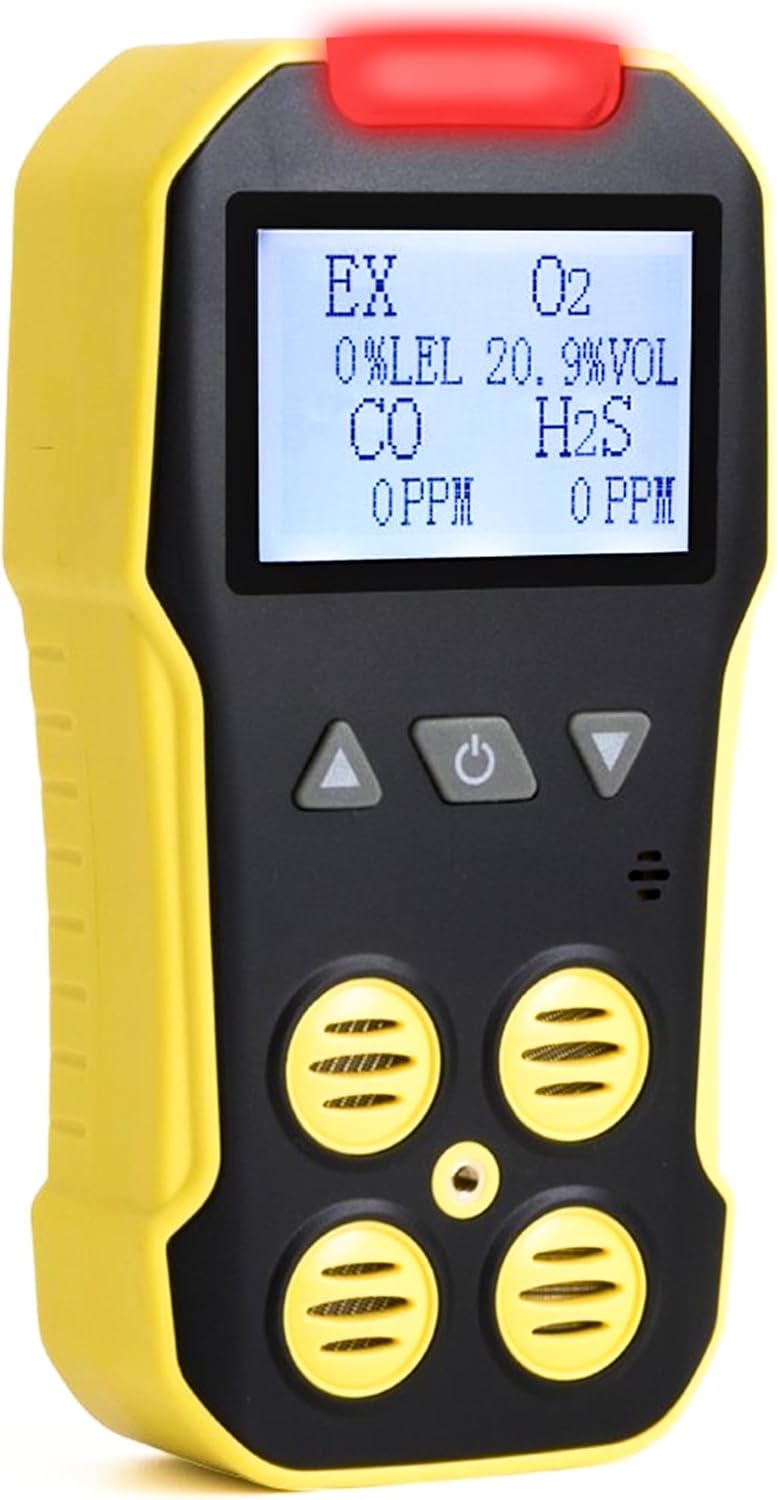
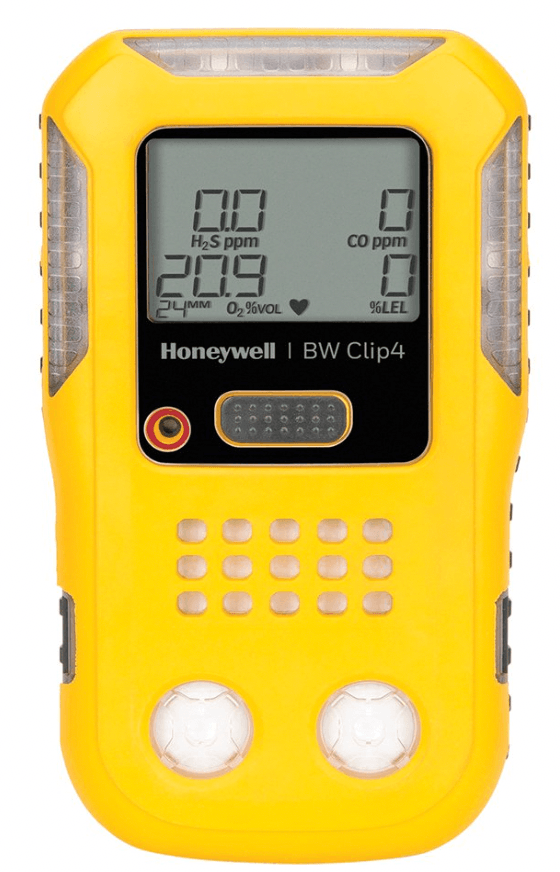
A 4-gas monitor (also called a multi-gas detector or 4-gas detector) is a portable safety device that simultaneously measures four of the most common atmospheric hazards found in industrial and confined space environments:

  1. Oxygen (O₂): Detects oxygen-deficient or oxygen-enriched atmospheres
  2. Carbon Monoxide (CO): A colorless, odorless gas produced by combustion
  3. Hydrogen Sulfide (H₂S): A toxic gas common in oil and gas, sewage, and agricultural settings
  4. Combustible Gases (LEL): Measures flammable gases like methane and propane as a percentage of the Lower Explosive Limit

These four gases account for the vast majority of atmospheric hazards in workplaces worldwide. That’s why the 4-gas combination has become the industry standard for personal gas detection.

Why Are These Four Gases So Dangerous?

Understanding the risks each gas poses makes it clear why monitoring all four simultaneously is so important.

Oxygen Deficiency and Enrichment

The normal oxygen level in air is approximately 20.9%. When oxygen drops below 19.5%, OSHA classifies the atmosphere as oxygen-deficient, which can cause dizziness, impaired judgment, unconsciousness, and death.

Oxygen levels above 23.5% create an oxygen-enriched environment, dramatically increasing the risk of fire and explosion.

Confined spaces such as tanks, manholes, silos, and tunnels are especially prone to oxygen displacement often without any warning signs visible to the human eye.

Carbon Monoxide (CO)

CO is often called the “silent killer” because it is completely odorless and colorless. Even at relatively low concentrations, CO can cause headaches, nausea, and confusion.

At higher concentrations, it is rapidly fatal. Sources include internal combustion engines, generators, heating systems, and gas-powered equipment, all common on jobsites.

Hydrogen Sulfide (H₂S)

H₂S has a distinctive rotten-egg odor, but here’s the danger: at concentrations that are immediately harmful, the gas paralyzes the olfactory nerve, meaning you can no longer smell it.

Industries such as oil and gas, wastewater treatment, farming, and paper manufacturing face significant H₂S exposure risks.

Combustible Gases (LEL)

Flammable gases like methane, propane, and butane can accumulate to dangerous levels in enclosed or poorly ventilated spaces.

The Lower Explosive Limit (LEL) is the minimum concentration at which a gas can ignite. A 4-gas monitor alerts workers when concentrations approach ignitable levels well before an explosion risk becomes imminent.

Who Needs a 4-Gas Monitor?

While any worker who may encounter atmospheric hazards can benefit from a 4-gas monitor, certain industries and job roles make it an absolute necessity:

Confined Space Entry Workers

Permit-required confined spaces must be tested before entry under OSHA 29 CFR 1910.146. A 4-gas monitor is the standard tool for this pre-entry atmospheric testing.

Oil and Gas Workers

Drilling sites, refineries, and pipelines routinely expose workers to H₂S, combustible gases, and oxygen hazards.

Utility and Municipal Workers

Sewer workers, water treatment operators, and underground utility crews face toxic and flammable gas risks daily.

Construction Workers

Excavation, welding, cutting, and working near diesel or gas equipment create CO and LEL risks on active job sites.

Firefighters and First Responders

Emergency scenes may involve unknown gas leaks, vehicle fires, or structural collapses with multiple atmospheric hazards.

Mining and Tunneling Workers

Enclosed underground environments are particularly susceptible to oxygen deficiency and combustible gas buildup.

Agricultural Workers

Grain silos, manure pits, and storage facilities can produce hydrogen sulfide, methane, and CO in deadly concentrations.

Industrial Maintenance Technicians

Anyone working in boiler rooms, chemical plants, or near fuel systems needs reliable gas detection.

OSHA Requirements and Regulatory Compliance

Regulatory compliance is one of the clearest reasons why a 4-gas monitor isn’t just recommended, it’s often legally required.

OSHA 29 CFR 1910.146

Permit-Required Confined Spaces mandates that employers test the atmosphere in any permit-required confined space before worker entry.

The standard specifies testing for oxygen content, flammable gases, and toxic air contaminants. A calibrated 4-gas monitor is the most practical and widely accepted tool for meeting this standard.

OSHA 29 CFR 1926.1203

The Construction Industry Confined Spaces standard mirrors these requirements for construction sites.

Beyond confined spaces, OSHA’s General Duty Clause (Section 5(a)(1)) requires employers to provide a workplace free from recognized hazards.

In environments where CO, H₂S, or combustible gases may be present, failing to provide gas detection equipment could constitute a violation.

Beyond OSHA, several other standards reference multi-gas monitoring:

  • NIOSH (National Institute for Occupational Safety and Health) recommendations for industrial hygiene.
  • NFPA 350: Guide for Safe Confined Space Entry and Work.
  • API (American Petroleum Institute) standards for oil and gas operations.

Failure to comply with these regulations can result in substantial fines, legal liability, and, most importantly, preventable worker fatalities.

The Real Cost of Not Having a 4-Gas Monitor

Some employers view gas monitors as an optional expenditure. Let’s put the cost in perspective.

A quality 4-gas monitor typically costs between $300 and $800 for a portable unit. Industrial-grade models with advanced features may run higher, but the price per unit remains a fraction of the potential consequences.

  • OSHA fines for serious violations can reach $16,131 per violation, and willful violations can exceed $161,323.
  • Workers’ compensation claims, lawsuits, and settlements following a gas-related injury or fatality can cost millions.
  • Lost productivity, investigations, and reputational damage compound the financial toll
  • And of course, no dollar amount compensates for a worker’s life.

According to OSHA data, confined space incidents claim dozens of lives each year in the United States, with atmospheric hazards being a leading cause. Many of these deaths occur when would-be rescuers enter without proper gas detection, creating a second or third fatality from a single incident.

Continuous Monitoring vs. Bump Testing vs. Calibration

Owning a 4-gas monitor is only part of the equation. To ensure it actually protects you, three practices are essential:

Continuous Monitoring

Workers should wear or carry their 4-gas monitor throughout the entire duration of work in a potentially hazardous environment, not just during initial entry.

Atmospheric conditions can change rapidly due to shifting weather, equipment operation, or disturbance of contaminated soil or materials.

Bump Testing

A bump test (or functional test) exposes the monitor to a known concentration of test gas to confirm that the sensors respond and the alarms activate.

Most safety authorities, including the Industrial Scientific Corporation and sensor manufacturers, recommend bump testing before each day’s use. A bump test does not confirm accuracy, only that the sensor is working.

Calibration

Full calibration adjusts the sensor readings against a certified reference gas to ensure accuracy. Most manufacturers recommend calibrating at least every 30 days, though more frequent calibration may be required depending on sensor age, exposure history, and manufacturer guidelines.

Skipping bump tests and calibration is one of the most common and most dangerous mistakes gas monitor users make. A sensor that appears functional may be giving false readings that create a false sense of security.

How to Choose the Right 4-Gas Monitor

Not all 4-gas monitors are created equal. Here’s what to look for when selecting the right device for your application.

Sensor Quality and Longevity

Look for monitors from established manufacturers with documented sensor accuracy and longevity.

Electrochemical sensors for CO and H₂S typically last 2–3 years; catalytic bead LEL sensors require periodic replacement.

Alarm Thresholds

Ensure the device is pre-configured with OSHA/NIOSH alarm setpoints, and that it allows adjustment for site-specific requirements.

Durability and IP Rating

For outdoor or industrial use, look for an IP65 or IP67 rating for dust and water resistance, and a rugged housing designed to survive drops.

Battery Life

A shift can last 8–12 hours or more. Choose a monitor with sufficient battery life to cover your full work period without recharging.

Ease of Use

Workers under stress must be able to read and respond to a monitor intuitively. Large displays, audible/visual/vibrating alarms, and simple one-button operation are features worth prioritizing.

Datalogging and Connectivity

Advanced models offer datalogging to record exposure history, Bluetooth connectivity for fleet management, and integration with safety management platforms valuable features for compliance documentation.

Warranty and Support

Choose a manufacturer with responsive customer support and a solid warranty. Sensor replacement programs and calibration services can reduce long-term costs.

Single-Gas vs. 4-Gas Monitor: Which Do You Need?

If your hazard assessment identifies only one specific gas risk, for example, a worker who exclusively monitors CO near a generator, a single-gas monitor may be sufficient and cost-effective.

However, in most real-world environments, hazards are rarely singular or predictable. A confined space that tested clean this morning may have shifted atmospheric conditions by afternoon. A worksite near a gas line may present both combustible gas and CO risks simultaneously.

For the vast majority of applications, a 4-gas monitor provides far greater value than four individual single-gas detectors at a fraction of the combined cost while ensuring comprehensive protection against the most common atmospheric hazards in a single, wearable device.

Frequently Asked Questions About 4-Gas Monitors

How long do 4-gas monitor sensors last?

Sensor lifespan varies by type. Oxygen sensors typically last 2 years; CO and H₂S electrochemical sensors last 2–3 years; LEL catalytic bead sensors last 3–5 years with proper use. Always follow manufacturer replacement schedules.

Can I use a 4-gas monitor in rain or extreme temperatures?

Most industrial-grade 4-gas monitors are rated for use in rain (IP65+) and a wide temperature range (typically -4°F to 122°F / -20°C to 50°C). Check your specific model’s specifications.

Do I need a 4-gas monitor for outdoor work?

While outdoor environments are generally better ventilated, many outdoor worksites, especially those involving trenches, near pipelines, or with combustion equipment, still present significant gas hazards. Always conduct a site-specific hazard assessment.

What is the difference between a 4-gas monitor and a gas detector?

The terms are often used interchangeably. A “gas detector” can refer to fixed or portable devices that sense one or more gases.

A “4-gas monitor” specifically refers to a portable device monitoring four gases simultaneously: O₂, CO, H₂S, and LEL.

Are 4-gas monitors required by law?

In permit-required confined space entry situations, OSHA mandates atmospheric testing — effectively requiring a multi-gas monitor.

In other environments, requirements depend on the specific hazards present and applicable regulations for your industry.

Final Verdict: Is a 4-Gas Monitor a Necessity?

For anyone who works in confined spaces, oil and gas, utilities, construction, mining, agriculture, or any environment where atmospheric hazards may exist, yes, a 4-gas monitor is an absolute necessity.

The combination of regulatory requirements, the proven prevalence of multi-gas hazards in industrial environments, and the relatively low cost of quality equipment compared to the human and financial cost of a gas-related incident makes the case overwhelming.

Even in environments where only one gas is suspected, the reality is that atmospheric conditions are dynamic and unpredictable.

A 4-gas monitor provides comprehensive, real-time protection in a single device, enabling workers to focus on their jobs with confidence, knowing that if danger is present, they’ll be warned before it becomes a crisis.

Don’t wait for a near-miss or a tragedy to take gas detection seriously. Equip your team, train them properly, bump test before every shift, and calibrate regularly.

That four-sensor device clipped to your collar or vest may be the most important tool you ever own.

4 Most Common Types of Gas Detection Sensors

Gas leaks kill silently. Whether you’re protecting workers on an oil rig, monitoring air quality in a confined space, or ensuring safety in a laboratory, choosing the right gas detection sensor is one of the most critical decisions you’ll make. But with so many technologies on the market, it can be hard to know where to start.

In this guide, we break down the 4 most common types of gas detection sensors, how each one works, what gases they detect best, and the real-world situations where they excel or fall short.

Why Understanding Gas Sensor Types Matters

Not all gas detectors are created equal. A sensor that works flawlessly in a wastewater treatment plant may be completely unsuitable for a chemical manufacturing facility. Selecting the wrong sensor technology can result in:

  • False negatives, a dangerous gas goes undetected.
  • False positives, unnecessary evacuations, and costly downtime.
  • Sensor degradation and premature failure due to environmental incompatibility.
  • Regulatory non-compliance failing OSHA, ATEX, or other safety standards.

Understanding the underlying technology behind each sensor type empowers you to make smarter, safer choices.

Electrochemical Sensors

How They Work

Electrochemical sensors detect gases through chemical reactions. When a target gas comes into contact with the sensor’s electrolyte solution, it triggers an oxidation or reduction reaction at the electrodes.

This generates an electrical current proportional to the gas concentration. The higher the concentration, the stronger the current.

What gases do they detect?

Electrochemical sensors are best suited for toxic gases, including.

  • Carbon monoxide (CO).
  • Hydrogen sulfide (H₂S).
  • Nitrogen dioxide (NO₂).
  • Chlorine (Cl₂).
  • Ammonia (NH₃).
  • Oxygen (O₂) depletion monitoring.

Advantages

  • High sensitivity and accuracy can detect gases in parts-per-million (ppm) or even parts-per-billion (ppb) concentrations.
  • Low power consumption ideal for portable and battery-operated detectors.
  • Relatively low cost, one of the most affordable sensor technologies available.
  • Fast response time, typically responds within 30–60 seconds.

Limitations

  • The finite lifespan of the electrolyte solution degrades over time, typically lasting 1–3 years.
  • Cross-sensitivity: Some sensors may react to gases other than the target gas.
  • Temperature and humidity sensitivity in extreme environments can affect accuracy.
  • Not suitable for combustible gas detection at high concentrations.

Best Applications

Electrochemical sensors are the workhorses of personal gas monitors used in confined space entry, utilities, oil and gas, and emergency response.

If your primary concern is toxic gas exposure to workers, an electrochemical sensor is almost always your first choice.

Catalytic Bead Sensors (Pellistors)

How They Work

Catalytic bead sensors, also called pellistors, operate on the principle of catalytic combustion. The sensor contains two matched beads: one active bead coated with a catalyst (usually platinum or palladium), and one reference bead that is inert.

When combustible gas reaches the active bead, it oxidizes on the catalytic surface, generating heat.

This heat changes the electrical resistance of the bead, and the resulting imbalance between the two beads produces a measurable signal.

What gases do they detect?

Catalytic bead sensors are designed for flammable and combustible gases, including.

  • Methane (CH₄), natural gas.
  • Propane (C₃H₈).
  • Hydrogen (H₂).
  • Butane (C₄H₁₀).
  • Ethanol.
  • Most hydrocarbon vapors.

Results are typically expressed as a percentage of the Lower Explosive Limit (LEL), the minimum concentration at which a gas can ignite.

Advantages

  • Broad-spectrum detection responds to virtually all combustible gases and vapors.
  • Proven, reliable technology with decades of industry use.
  • Robust and durable handles harsh industrial environments well.
  • Cost-effective for LEL monitoring applications.

Limitations

  • Requires oxygen to function and will not work in oxygen-deficient environments.
  • Catalyst poisoning, exposure to silicones, lead compounds, or halogenated gases can permanently damage the sensor.
  • Not suitable for very low concentrations, less sensitive than electrochemical or PID sensors.
  • Consumes more power than some alternatives.

Best Applications

Catalytic bead sensors are the standard choice for detecting flammable gas leaks in industrial facilities, refineries, gas pipelines, and storage areas.

They are commonly found in fixed gas detection systems installed near potential leak sources.

Safety Tip

Never use a catalytic bead sensor as your sole line of defense in environments where catalyst-poisoning substances may be present.

Always verify sensor function with a known gas concentration bump test before each use.

Infrared (IR) Sensors

How They Work

Infrared sensors exploit the fact that many gases absorb infrared light at specific wavelengths. The sensor shines an IR light beam through a sample chamber.

A detector on the other side measures how much light reaches it. If a target gas is present, it absorbs some of the IR energy at its characteristic wavelength, reducing the light that reaches the detector. The degree of absorption corresponds to the gas concentration.

There are two main configurations.

  • Non-Dispersive Infrared (NDIR): uses optical filters to target a specific wavelength; most common in commercial gas detectors.
  • Point IR sensors: compact units for fixed installation.
  • Open-path IR sensors: project a beam across a large area (up to 200 meters) to detect gas clouds

What gases do they detect?

Infrared sensors work well for gases that absorb IR radiation, such as:

  • Carbon dioxide (CO₂).
  • Methane (CH₄).
  • Propane.
  • Hydrocarbons (most).
  • Refrigerant gases.
  • Volatile organic compounds (VOCs).

Important

IR sensors cannot detect gases that do not absorb infrared light, including hydrogen (H₂), oxygen (O₂), chlorine (Cl₂), and noble gases.

Advantages

  • No oxygen dependency, functions in inert or oxygen-depleted atmospheres.
  • Immune to catalyst poisoning, highly resistant to contamination.
  • Long operational life, no consumable electrolyte; many sensors last 5–10+ years.
  • Excellent selectivity, less prone to cross-sensitivity than other sensor types.
  • Suitable for high-concentration measurements.

Limitations

  • Higher upfront cost, more expensive than electrochemical or catalytic bead sensors.
  • Cannot detect all gases, limited to IR-absorbing molecules.
  • Optical surfaces require maintenance; dust, condensation, or fogging on lenses can cause false readings.
  • Larger form factor, not always suitable for compact, portable devices (though miniaturization is improving).

Best Applications

Infrared sensors shine (literally) in environments where long-term reliability is paramount and where catalyst poisoning is a risk.

They are widely used in HVAC systems for CO₂ monitoring, refrigeration leak detection, greenhouse gas monitoring, and oil and gas facilities.

Open-path IR detectors are especially valuable for perimeter monitoring of large outdoor sites.

Photoionization Detectors (PID Sensors)

How They Work

Photoionization detectors use ultraviolet (UV) light to ionize gas molecules. When high-energy UV photons strike a VOC molecule, they knock electrons loose, creating positively charged ions and free electrons.

This ionization produces a measurable electrical current. The stronger the current, the higher the gas concentration.

The key parameter is the ionization potential (IP) of the target gas measured in electron volts (eV). A PID sensor’s UV lamp must have a higher energy level than the IP of the gas to ionize it. Common lamp energies are 10.6 eV, 9.8 eV, and 11.7 eV.

What gases do they detect?

PID sensors are exceptionally sensitive to volatile organic compounds (VOCs) and many other substances, including.

  • Benzene, toluene, xylene (BTX compounds).
  • Isobutylene.
  • Acetone and ketones.
  • Ethylene oxide.
  • Many industrial solvents and fuels.

They do not reliably detect methane, CO₂, CO, or most inorganic gases.

Advantages

  • Extremely high sensitivity, can detect VOCs at parts-per-billion (ppb) levels.
  • Fast response, one of the fastest sensor technologies available.
  • Broad VOC detection responds to hundreds of different compounds.
  • Non-destructive measurement, the gas is not consumed during detection.
  • No oxygen dependency.

Limitations

  • High humidity interference with water vapor can quench the ionization process, reducing sensitivity.
  • UV lamp degradation lamps require periodic replacement (typically annually).
  • Cannot differentiate between gases, a PID reads a combined response; it cannot identify which VOC is present without additional analysis.
  • Higher cost than electrochemical or catalytic bead sensors.
  • Not suitable for LEL monitoring of flammable gases.

Best Applications

PID sensors are the go-to technology for industrial hygiene surveys, hazmat response, soil and groundwater remediation, semiconductor manufacturing, and any application where detecting trace levels of VOCs is critical.

First responders frequently use handheld PID-based instruments to identify contamination at spill sites.

Quick Comparison: Which Gas Detection Sensor Is Right for You?

ppm/ppbElectrochemicalCatalytic BeadInfrared (IR)PID
Primary TargetToxic gasesCombustible gasesCO₂, hydrocarbonsVOCs
Detection Rangeppm / ppb% LELppm – %ppb – ppm
Oxygen Required?SometimesYesNoNo
Lifespan1–3 years2–5 years5–10+ years2–5 years
Catalyst Poisoning RiskLowHighNoneLow
Relative CostLowLow–MediumMedium–HighMedium–High
Best EnvironmentPortable monitorsIndustrial facilitiesLong-term fixed installsHazmat / industrial hygiene

Can You Combine Sensor Types?

Absolutely, and in many cases, you should. Multi-gas detectors often combine two, three, or even four different sensor technologies in a single unit. A typical 4-gas monitor used in confined space entry, for example, might include:

  • An electrochemical sensor for O₂ and H₂S.
  • A catalytic bead sensor for combustible gases (LEL).
  • An electrochemical sensor for CO.

Adding a PID sensor to this combination gives you a powerful five-gas instrument capable of detecting both acute toxic hazards and low-level VOC exposures simultaneously.

The key is to match your sensor selection to your specific hazard assessment, not simply to buy the most sensors or the most expensive unit.

Maintenance: The Factor Most People Overlook

No matter which sensor technology you choose, sensors require regular maintenance to remain reliable:

Bump testing

Expose the sensor to a known gas concentration before each use to confirm it responds correctly.

Calibration

Adjust the sensor’s output against a certified reference gas on a scheduled basis (typically monthly or as required by the manufacturer).

Visual inspection

Check for physical damage, clogged filters, or contaminated optical surfaces.

Timely replacement

Never push a sensor beyond its rated service life.

A gas detector that isn’t properly maintained is potentially worse than no detector at all; it creates a false sense of security.

Final Thoughts

Understanding the four most common types of gas detection sensors, electrochemical, catalytic bead, infrared, and photoionization, is the foundation of any serious gas safety program. Each technology has distinct strengths, limitations, and ideal use cases.

The right sensor isn’t always the most expensive one. It’s the one that’s correctly matched to your specific gases of concern, environmental conditions, required sensitivity, and operational demands.

A Comprehensive Guide to Ozone Detectors

Ozone is one of those invisible threats that most people never think about until it’s too late. Whether it’s being generated by industrial equipment, air purifiers, or UV lamps, elevated ozone concentrations indoors can quietly damage your lungs, trigger asthma, and compromise your long-term respiratory health. That’s where ozone detectors come in.

In this comprehensive guide, we’ll walk you through everything you need to know about ozone detectors: what they are, how they work, the different types on the market, what to look for when buying one, and how to use them effectively.

By the end, you’ll have the knowledge to protect yourself, your family, and your team from a gas you can’t always see or smell.

What Is Ozone and Why Is It Dangerous?

Ozone (O₃) is a molecule made up of three oxygen atoms. In the Earth’s stratosphere, the ozone layer plays a critical role in shielding us from harmful ultraviolet (UV) radiation.

At ground level, however, ozone is classified as an air pollutant and a known respiratory irritant.

At elevated concentrations, ozone can.

  • Irritate and inflame the airways, causing coughing, throat irritation, and shortness of breath.
  • Worsen asthma and other chronic lung conditions.
  • Reduce lung function over time with repeated exposure.
  • Damage sensitive lung tissue, even in otherwise healthy individuals.
  • React with other indoor pollutants to form harmful secondary byproducts.

The tricky thing about ozone is that it has a sharp, clean smell sometimes described as similar to chlorine or fresh rain, which some people actually find pleasant. This means the odor alone is not a reliable warning sign that levels are unsafe.

This is precisely why ozone detectors are essential.

What Is an Ozone Detector?

An ozone detector (also called an ozone monitor or ozone sensor) is a device designed to measure the concentration of ozone gas in the surrounding air.

It provides real-time data on ozone levels, typically expressed in parts per million (ppm) or parts per billion (ppb), and alerts users when concentrations exceed safe thresholds.

Ozone detectors range from compact, portable personal monitors to fixed industrial-grade systems used in manufacturing facilities and laboratories.

Regardless of form factor, their core purpose is the same: to give you actionable, accurate information about the air quality in your environment before ozone reaches harmful levels.

How Do Ozone Detectors Work?

Different ozone detectors use different sensing technologies. Understanding how each works helps you select the most appropriate device for your needs.

Electrochemical Sensors

Electrochemical sensors are the most widely used technology in consumer and professional ozone detectors.

They work by passing ozone gas through a chemical cell where it undergoes a redox (oxidation-reduction) reaction.

This reaction generates an electrical current proportional to the ozone concentration. The detector measures this current and converts it into a readable ppm or ppb value.

Pros: Accurate, cost-effective, fast response time, and compact.
Cons: Sensors degrade over time and require periodic replacement (typically every 1–3 years).

UV Photometric Sensors

UV photometric sensors measure how much UV light at a specific wavelength (254 nm) is absorbed by ozone in the air sample.

Since ozone strongly absorbs UV light at this wavelength, the degree of absorption corresponds directly to ozone concentration.

Pros: Highly accurate, stable over long periods, minimal drift.
Cons: More expensive and typically larger, making them more common in laboratory and industrial settings.

Metal Oxide Semiconductor (MOS) Sensors

MOS sensors detect ozone by measuring changes in electrical resistance across a metal oxide material (such as tin oxide) when ozone molecules interact with the surface.

Pros: Low cost, small size, durable.
Cons: Less selective can be triggered by other oxidizing gases, leading to false positives. Best used in basic or low-risk applications.

Colorimetric Sensors

These sensors rely on chemical reagents that change color when exposed to ozone. They are most commonly used in disposable test strips or badges for short-term personal exposure monitoring.

Pros: Simple, no power required, inexpensive.
Cons: Not designed for continuous real-time monitoring; results can be harder to read precisely.

Types of Ozone Detectors

Portable / Personal Ozone Monitors

Compact handheld devices designed for personal use, field inspections, or moving between locations. Ideal for workers who need on-the-go monitoring in different areas of a facility, or for homeowners who want to check ozone levels in various rooms.

Fixed Wall-Mounted Detectors

Installed permanently in a specific location, these units provide continuous, 24/7 ozone monitoring.

They are commonly used in industrial workplaces, server rooms, water treatment plants, and areas where ozone-generating equipment is used regularly.

Smart / Connected Ozone Monitors

Modern ozone monitors increasingly feature Wi-Fi or Bluetooth connectivity, smartphone app integration, and cloud data logging.

These allow users to track historical ozone data, receive push notifications, and monitor air quality remotely, making them excellent choices for smart homes, offices, and businesses with multiple locations.

Industrial-Grade Ozone Analyzers

High-precision instruments are used in laboratories, manufacturing, and environmental monitoring.

These devices often use UV photometric technology and are capable of detecting ozone at extremely low concentrations with very high accuracy.

Multi-Gas Detectors

Some detectors are designed to monitor ozone alongside other hazardous gases (such as carbon monoxide, nitrogen dioxide, or VOCs) simultaneously.

These are particularly valuable for complex industrial environments where multiple air quality threats may coexist.

Key Features to Look For

When shopping for an ozone detector, consider the following features carefully.

Detection Range and Sensitivity

Make sure the detector can measure ozone at the concentration levels relevant to your environment.

Consumer devices typically cover 0–1 ppm, while industrial monitors may need to detect concentrations up to 10 ppm or higher. For sensitive environments, look for devices that detect down to 10 ppb or lower.

Alarm Thresholds

The best ozone detectors allow you to set customizable alarm thresholds. Look for devices with both audible and visual alerts so you’re immediately notified when levels rise above safe limits.

Response Time

How quickly does the sensor detect a change in ozone concentration? Faster response times (measured in seconds) are crucial in environments where ozone levels can spike rapidly.

Data Logging

For long-term air quality management, data logging capabilities let you record and review ozone concentration trends over time. This is especially important for workplaces that need to demonstrate OSHA compliance.

Display and Readability

A clear, easy-to-read display, especially one that’s visible in low-light conditions, ensures you can check readings at a glance.

Sensor Lifespan and Replacement Cost

Electrochemical sensors have a finite lifespan. Before buying, check how long the sensor lasts and how much a replacement costs. This is an important factor in the total cost of ownership.

Certifications

Look for detectors that have been tested and certified by recognized safety organizations (such as UL, CE, or ETL) to ensure they meet established accuracy and safety standards.

Connectivity

Wi-Fi, Bluetooth, or 4G connectivity enables remote monitoring and integration with building management systems, a major advantage for businesses and property managers.

Ozone Exposure Limits and Safety Standards

Understanding the regulatory limits for ozone exposure is essential for selecting the right alarm thresholds on your detector.

OrganizationLimitContext
OSHA0.1 ppm (8-hour TWA)Workplace permissible exposure limit (PEL)
NIOSH0.1 ppm (ceiling limit)Recommended exposure limit (REL)
EPA0.07 ppm (8-hour average)National Ambient Air Quality Standard (NAAQS) for outdoor air
WHO0.051 ppm (8-hour average)Air quality guideline
ACGIH0.05–0.2 ppmThreshold Limit Value (TLV) varies by work type

Note that sensitive individuals, including children, the elderly, pregnant women, and people with asthma or other respiratory conditions, may experience adverse effects at concentrations well below these limits.

Common Sources of Indoor Ozone

Many people are surprised to learn that ozone can be generated by common household and workplace devices. Knowing the sources helps you determine where monitoring is most needed.

Ionic air purifiers and ozone generators

Some air purification devices intentionally produce ozone, while others generate it as a byproduct. Always check before using these devices in occupied spaces.

UV lamps and germicidal lights

UV-C lamps used for sterilization can generate ozone, particularly those emitting at wavelengths below 200 nm.

Laser printers and photocopiers

These devices generate ozone as a byproduct of the corona discharge used in the printing process.

Electric motors and high-voltage electrical equipment

Electrical arcing in motors, transformers, and switchgear can produce ozone.

Ozone water treatment systems

Used in water purification, these systems can release ozone into the surrounding air if not properly sealed.

Industrial welding and plasma cutting

High-energy processes that can generate significant ozone concentrations.

Outdoor air infiltration

During summer smog events, outdoor ozone from vehicle emissions and industrial activity can penetrate indoors.

Where to Place Your Ozone Detector

Placement significantly impacts the effectiveness of your ozone detector. Here are some best-practice guidelines.

Near known ozone sources

Place detectors close to laser printers, air purifiers, UV lamps, and other potential ozone-generating devices, but not so close that the reading is skewed by a point source.

At breathing height

Mount detectors at approximately 4–6 feet from the floor to capture the ozone concentration at the level where people breathe.

In poorly ventilated areas

Spaces with limited airflow can see ozone accumulation. Pay particular attention to server rooms, storage areas, and enclosed offices.

Multiple detectors for large spaces

For warehouses, manufacturing floors, or large commercial buildings, use multiple units to ensure comprehensive coverage.

Avoid direct sunlight and heat sources

These can affect sensor accuracy. Keep detectors away from windows, vents, and HVAC outlets.

How to Maintain Your Ozone Detector

Proper maintenance is critical to ensuring your ozone detector continues to provide accurate readings.

Regular Calibration

Calibration aligns your detector’s readings with a known reference standard. Most manufacturers recommend calibrating ozone detectors every 6–12 months. Industrial and regulatory applications may require more frequent calibration.

Sensor Replacement

Electrochemical sensors degrade over time. Replace the sensor according to the manufacturer’s schedule, typically every 1–3 years, even if the device still appears to be functioning normally.

Keep the Sensor Clean

Dust, grease, and chemical contamination can interfere with sensor accuracy. Keep the device clean and ensure air can flow freely around the sensor inlet.

Check for Firmware Updates

If your device is a smart connected monitor, check for and install any firmware updates to ensure you have the latest sensor algorithms and bug fixes.

Record Maintenance Logs

For workplace compliance purposes, maintain a log of all calibrations, sensor replacements, and maintenance activities.

Who Needs an Ozone Detector?

Ozone detectors are valuable in a wide range of settings. You should strongly consider one if you:

  • Work in or manage a facility that uses ozone-generating equipment, such as water treatment plants, food processing facilities, or industrial manufacturing environments.
  • Use an ionic air purifier or ozone generator in your home or office.
  • Work with UV-C lamps for air or surface disinfection.
  • Operate a commercial printing environment with multiple laser printers or copiers.
  • Have family members with asthma, allergies, or other respiratory conditions who may be more sensitive to low ozone concentrations.
  • Manage a school, hospital, or other public building where air quality standards are particularly important.
  • A HVAC professional or industrial hygienist responsible for environmental health and safety compliance.

Frequently Asked Questions

Can I smell ozone at dangerous levels?

Not reliably. While ozone has a distinct, sharp smell, some people can detect it at concentrations as low as 0.01–0.05 ppm, while others may not notice it until levels are much higher. Never rely on smell alone as your primary ozone warning system.

Are ozone detectors the same as ozone generators?

No. An ozone detector measures ozone concentration. An ozone generator produces ozone. These are completely different devices.

How long does an ozone detector last?

The device housing can last many years, but the electrochemical sensor inside typically needs to be replaced every 1–3 years. UV photometric sensors have a longer operational life.

Can my regular air quality monitor detect ozone?

Some multi-gas air quality monitors include ozone detection, but many basic consumer devices do not. Check the device specifications carefully to confirm ozone is one of the gases measured.

Do I need an ozone detector if I don’t use an ozone generator?

Yes, potentially. Ozone can be generated by laser printers, UV lamps, and electrical equipment, and can infiltrate from outdoors during high-pollution days.

If you spend significant time in an enclosed or poorly ventilated space, an ozone detector is a worthwhile investment.

What should I do if my ozone detector alarms?

  1. Leave the affected area immediately if concentrations are high.
  2. Increase ventilation by opening windows and doors or activating exhaust fans.
  3. Identify and shut off the ozone source if possible.
  4. Allow the space to ventilate before re-entering.
  5. Contact a health professional if anyone is experiencing respiratory symptoms.

Final Thoughts

Ozone is a real and often underestimated indoor air quality threat. Whether you’re protecting your family at home, maintaining a safe workplace, or managing a commercial facility, an ozone detector is one of the most important tools you can invest in.

The right ozone detector gives you continuous, real-time visibility into the air you breathe so you can act before elevated ozone concentrations become a health emergency.

From basic electrochemical sensors for home use to high-precision UV photometric analyzers for industrial applications, there is a device suited to every need and budget.

At SaguardSense, we’re committed to helping you make informed decisions about environmental monitoring and safety.

Explore our reviews, comparisons, and buying guides to find the ozone detector that’s right for your specific situation.

Have questions about ozone detectors or air quality monitoring? Drop a comment below or reach out to our team at SaguardSense.com. We’re here to help you breathe easier.

Will a Combustible Gas Detector Sense Chlorine?

If you’ve ever wondered whether the combustible gas detector on your wall can also pick up chlorine gas, you’re not alone, and the answer matters for your safety.

The short answer is: no, a standard combustible gas detector will not detect chlorine. But understanding why, and knowing what will actually protect you, could be life-saving information.

In this guide, we’ll break down exactly how combustible gas detectors work, why chlorine gas falls outside their detection range, what types of sensors you actually need, and how to build a complete gas detection strategy for your home or workplace.

What Is a Combustible Gas Detector and How Does It Work?

A combustible gas detector, sometimes called an LEL detector (Lower Explosive Limit detector), is designed to identify gases that can ignite or explode when mixed with air at certain concentrations.

These devices are engineered to keep you safe from fire and explosion hazards, not from toxic chemical exposure.

Most combustible gas detectors use one of two sensor technologies.

Catalytic bead sensors (pellistors)

These sensors oxidize (burn) the gas on a heated bead coated with a catalyst. When a combustible gas is present, the bead heats up, and the change in electrical resistance triggers the alarm. This technology only works with gases that can actually combust.

Infrared (IR) sensors

These sensors detect how much infrared light is absorbed by a gas sample. Each gas has a unique IR absorption signature.

Infrared sensors are highly accurate but are calibrated for specific combustible gases like methane, propane, and butane.

Both of these technologies are specifically tuned to detect flammable hydrocarbon gases. Chlorine is neither flammable nor a hydrocarbon, which is precisely why it goes undetected by these devices.

What Is Chlorine Gas and Why Is It Dangerous?

Chlorine (Cl₂) is a yellow-green, pungent-smelling gas that is significantly denser than air. It was tragically used as a chemical weapon in World War I, which gives some indication of just how dangerous it can be even at relatively low concentrations.

Chlorine gas can appear in everyday settings more commonly than most people realize.

  • Accidentally mixing bleach (sodium hypochlorite) with acidic cleaners like vinegar or certain bathroom products
  • Swimming pools and water treatment facilities where chlorine is used as a disinfectant
  • Industrial settings where chlorine is used in manufacturing plastics, paper, and pharmaceuticals
  • Leaks from chlorine storage tanks or transport containers

Even brief exposure to chlorine gas at low concentrations (1–3 ppm) irritates the eyes, nose, and throat.

At higher levels (10 ppm and above), it can cause severe respiratory distress, fluid accumulation in the lungs (pulmonary edema), and can be fatal.

The OSHA permissible exposure limit (PEL) for chlorine is just 1 ppm as a ceiling value, meaning even brief exposures should not exceed this level.

Why a Combustible Gas Detector Cannot Detect Chlorine

There are several fundamental reasons why standard combustible gas detectors are blind to chlorine.

Chlorine Is Not Combustible

Chlorine gas does not burn. It is a non-flammable gas that actually supports combustion in some reactions rather than igniting itself.

A catalytic bead sensor has nothing to oxidize, so it produces no signal. An IR sensor calibrated for hydrocarbons will find no recognizable absorption pattern in chlorine gas.

Chlorine Can Poison the Sensor Itself

This is particularly important: chlorine gas is a strong oxidizer that can actually damage and deactivate catalytic bead sensors.

Not only does the sensor fail to detect chlorine exposure, but it can also permanently compromise the sensor’s ability to detect other gases as well, creating a dangerous false sense of security.

Different Hazard Category

Combustible gas detectors are engineered around fire and explosion risk. Chlorine gas is classified as a toxic gas hazard, an entirely different danger category requiring a completely different detection approach.

Just as a smoke detector won’t detect a carbon monoxide leak, a combustible gas detector won’t catch chlorine.

What Type of Detector Will Actually Sense Chlorine Gas?

To detect chlorine gas reliably and accurately, you need a dedicated chlorine gas detector using electrochemical sensor technology.

Electrochemical Sensors: The Right Tool for Chlorine

Electrochemical sensors work by allowing the target gas to react with an electrolyte solution inside the sensor cell.

This chemical reaction produces a small electrical current proportional to the gas concentration. The detector then reads this current and displays the gas concentration in parts per million (ppm).

Electrochemical chlorine sensors are highly sensitive, capable of detecting concentrations as low as 0.1 ppm, well below the threshold for health effects. They are the industry-standard technology used in:

  • Industrial hygiene monitoring equipment.
  • Water treatment plant safety systems.
  • Swimming pool and aquatics facility monitoring.
  • Chemical plant personal protective monitors.
  • Emergency responder gas meters.

Multi-Gas Detectors

For facilities or homes where multiple gas hazards may be present, a multi-gas detector combining an electrochemical chlorine sensor with LEL, oxygen (O₂), and carbon monoxide (CO) sensors is an excellent solution. These devices provide comprehensive coverage from a single unit.

Who Needs a Chlorine Gas Detector?

While industrial workers in chemical plants have long understood the need for dedicated chlorine detection, there are many other settings where chlorine detectors are valuable — and often overlooked:

Indoor swimming pools and aquatic centers

Chlorine gas can accumulate in enclosed pool areas, especially at the water level. Many facilities legally require fixed chlorine monitoring systems.

Water treatment plants

Workers handling chlorine dosing equipment face regular exposure risk. OSHA and NIOSH guidelines strongly recommend continuous monitoring.

Cleaning and janitorial staff

Accidental mixing of bleach-based cleaners with acidic products is one of the most common causes of chlorine exposure in residential and commercial settings.

Chemical storage facilities

Any facility storing chlorine cylinders, hypochlorite solutions, or chlorinated compounds should have fixed and portable chlorine detection in place.

Food and beverage processing

Chlorine-based sanitizers are widely used in food processing. Spills or improper mixing can create toxic exposure situations.

Homeowners

While less common, accidental chemical mixing while cleaning bathrooms or kitchens can release dangerous chlorine levels. A home chlorine detector provides valuable early warning.

What to Look for in a Chlorine Gas Detector

When shopping for a dedicated chlorine detector, keep these key criteria in mind.

Sensor type

Always look for an electrochemical sensor specifically rated for chlorine (Cl₂). Verify the product specifications, not just the marketing language.

Detection range

The detector should be capable of measuring at least 0–10 ppm with a resolution of 0.1 ppm or better for residential use. Industrial applications may require a wider range.

Alarm setpoints

Confirm the device allows you to set alarms at or below OSHA’s 1 ppm ceiling limit for occupational exposure.

Sensor lifespan and calibration

Electrochemical sensors typically last 2–3 years and require periodic calibration. Look for devices with easy bump-test and calibration procedures.

Certifications

For workplace use, look for UL, CSA, or ATEX certifications depending on your location and application.

Fixed vs. portable

Fixed detectors are best for continuous area monitoring in facilities. Portable personal monitors are essential for workers who move through different areas.

Frequently Asked Questions

Can a carbon monoxide detector detect chlorine gas?

No. Carbon monoxide detectors use electrochemical sensors, but they are specifically calibrated and designed to react only with CO molecules.

A CO detector will not alarm in the presence of chlorine gas, even at dangerous concentrations.

Will a smoke detector sense chlorine gas?

No. Smoke detectors use either ionization or photoelectric sensors to detect airborne particles from combustion.

Chlorine gas molecules are invisible to both of these technologies. A smoke detector will provide no warning whatsoever of chlorine accumulation.

Can I smell chlorine gas before it reaches dangerous levels?

Chlorine has a distinctive, sharp, bleach-like odor detectable at around 0.5 ppm close to the danger threshold.

However, relying on smell alone is dangerous because olfactory fatigue can occur with continued exposure, causing you to stop noticing the odor even as concentrations rise. A dedicated detector is always safer than trusting your nose.

Is there a single detector that covers both combustible gases AND chlorine?

Yes, multi-gas detectors can combine LEL (combustible gas), CO, O₂, and toxic gas sensors, including chlorine, in a single unit.

These are popular in industrial environments where workers face multiple gas hazards simultaneously. Look for models that explicitly list Cl₂ as one of the detected gases.

How long does a chlorine electrochemical sensor last?

Most electrochemical chlorine sensors have a rated lifespan of 2 to 3 years under normal conditions.

Exposure to high concentrations of chlorine, extreme humidity, or other interfering gases can shorten sensor life.

Regular bump testing (exposing the sensor to a known gas concentration to verify it responds) and annual calibration are best practices for maintaining accuracy.

Key Takeaways: Choosing the Right Gas Detector for Chlorine Safety

Understanding the difference between combustible gas detectors and toxic gas detectors is essential for building a complete safety plan. Here’s a quick summary.

  • Combustible gas detectors (LEL/catalytic bead/infrared) detect flammable gases like methane, propane, and natural gas. They will NOT detect chlorine.
  • Chlorine gas is a toxic, non-flammable gas that requires an electrochemical sensor specifically calibrated for Cl₂ detection.
  • Exposure to chlorine can actually damage catalytic bead sensors, potentially compromising their ability to detect other gases.
  • Anyone working in pools, water treatment, food processing, chemical storage, or cleaning should invest in a dedicated chlorine detector.
  • Multi-gas detectors offer a convenient way to detect both combustible gases and chlorine with a single device.

Staying safe means having the right detector for the right gas. At SafeguardSense, we review and compare the top gas detection solutions so you can make an informed choice for your home or workplace. Bookmark safeguardsense.com for in-depth guides, product reviews, and expert safety advice.

What Is a PID Sensor in Gas Detection?

If you work in industrial hygiene, environmental monitoring, hazmat response, or confined space entry, you’ve likely encountered the term “PID sensor.”

But what exactly is a PID sensor, how does it work, and when should you use one? This guide breaks it all down in plain language.

What Does PID Stand For?

PID stands for Photoionization Detection. A PID sensor is a type of gas detector that uses ultraviolet (UV) light to ionize gas molecules, allowing it to detect volatile organic compounds (VOCs) and other hazardous gases at very low concentrations, often in the parts-per-million (ppm) or even parts-per-billion (ppb) range.

PID sensors are commonly built into handheld gas detectors, multi-gas monitors, and fixed gas detection systems used across a wide range of industries.

How Does a PID Sensor Work?

The operating principle behind a PID sensor is photoionization. Here’s a step-by-step breakdown of the process.

UV Lamp Emission

A high-energy ultraviolet lamp inside the sensor emits photons at a specific energy level (measured in electron volts, or eV).

Ionization of Gas Molecules

When a target gas molecule enters the sensor’s detection chamber, the UV photons strike it with enough energy to knock an electron loose, creating a positive ion and a free electron. This process is called ionization.

Current Generation

The freed ions and electrons are collected by electrodes inside the chamber, generating a small electrical current.

Signal Processing

The detector’s electronics amplify and measure this current. A higher current corresponds to a higher concentration of the target gas.

Readout

The instrument displays a concentration reading, typically in ppm or ppb.

    Crucially, photoionization is a non-destructive process. The gas molecules are re-neutralized after ionization, which means the sensor doesn’t consume or permanently alter the sample.

    What Gases Can a PID Sensor Detect?

    A PID sensor is highly versatile and capable of detecting hundreds of compounds, including:

    • Volatile Organic Compounds (VOCs): Benzene, toluene, xylene, styrene, and many other aromatic hydrocarbons.
    • Chlorinated solvents: Trichloroethylene (TCE), perchloroethylene (PCE), and methylene chloride.
    • Petroleum products: Gasoline vapors, jet fuel, diesel.
    • Ketones and aldehydes: Acetone, MEK, formaldehyde.
    • Amines and ammonia (with appropriate lamp energy).
    • Many industrial chemicals are used in manufacturing, painting, and construction.

    What gases can’t a PID Sensor detect?

    Not every gas can be ionized by standard UV lamps. Gases with ionization potentials higher than the lamp’s energy output will not be detected. These include.

    • Methane (CH₄) and other simple alkanes.
    • Carbon monoxide (CO).
    • Carbon dioxide (CO₂).
    • Hydrogen (H₂).
    • Nitrogen, oxygen, and other inert gases.

    For these gases, other sensor technologies such as catalytic bead sensors, electrochemical cells, or infrared sensors are required.

    Understanding Ionization Potential and Lamp Selection

    Every gas has a characteristic ionization potential (IP), the minimum energy (in eV) required to remove an electron from a molecule.

    A PID sensor’s UV lamp must emit photons with energy greater than the target gas’s ionization potential for detection to occur.

    Common UV lamp energies used in PID detectors:

    Lamp EnergyCommon Applications
    10.6 eVMost common; detects the widest range of VOCs, including BTEX compounds.
    9.8 eVFewer false positives; used in applications where selectivity matters.
    11.7 eVDetects compounds with high IPs (e.g., vinyl chloride, some chlorinated gases); more fragile and shorter-lived.

    When selecting a PID detector, match the lamp energy to the specific gases you need to detect. A 10.6 eV lamp is suitable for most general VOC screening applications.

    PID Sensors vs. Other Gas Detection Technologies

    PID sensors are powerful, but they’re not a one-size-fits-all solution. Here’s how they compare to other common sensor types:

    FeaturePID SensorCatalytic Bead (LEL)ElectrochemicalInfrared (IR)
    Target gasesVOCs, many organicsCombustible gasesToxic gases (CO, H₂S, O₂)Hydrocarbons, CO₂
    Sensitivityppm to ppb% LELppmppm
    Cross-sensitivityBroad (many VOCs)BroadFairly specificHighly specific
    Detects methane?NoYesNoYes
    Detects CO?NoNoYesNo
    Best useVOC screening, leak detectionExplosion risk assessmentToxic gas monitoringHydrocarbon identification

    Many industrial gas monitors combine a PID sensor with electrochemical and catalytic sensors in a single multi-gas instrument for comprehensive hazard coverage.

    Typical Applications of PID Gas Detectors

    PID sensors are widely used wherever VOC exposure is a concern.

    Industrial Hygiene and Workplace Safety

    Employers use PID detectors to measure worker exposure to VOCs and verify compliance with OSHA permissible exposure limits (PELs) and ACGIH threshold limit values (TLVs).

    Confined Space Entry

    Before workers enter tanks, manholes, or other confined spaces, PID detectors help assess whether hazardous vapors are present at unsafe levels.

    Environmental Site Assessment

    Environmental consultants use PID monitors to screen soil and groundwater samples for VOC contamination during Phase II environmental investigations and remediation projects.

    Hazmat Response

    First responders and hazmat teams rely on PID detectors to quickly identify the presence and relative concentration of unknown chemical vapors at incident scenes.

    Leak Detection

    Refineries, chemical plants, and pipeline operators use PID sensors for Leak Detection and Repair (LDAR) programs, identifying fugitive emissions from valves, flanges, and fittings.

    Indoor Air Quality (IAQ) Investigations

    Building scientists and industrial hygienists use PID meters to investigate complaints of chemical odors, off-gassing from materials, and potential sick-building-syndrome sources.

    Key Factors That Affect PID Sensor Performance

    Understanding the variables that influence PID readings helps you get accurate, reliable data.

    Correction Factors

    A PID sensor is typically calibrated against a reference gas (commonly isobutylene). When measuring a different compound, a correction factor (CF) must be applied to get an accurate reading.

    Most PID detectors come with built-in correction factor libraries. To calculate the true concentration:

    True Concentration = Displayed Reading × Correction Factor

    Humidity

    High relative humidity can interfere with PID sensor readings, as water vapor can absorb UV light and reduce sensitivity. Some high-quality PID sensors include humidity compensation to minimize this effect.

    UV Lamp Condition

    The UV lamp is a consumable component. Over time, the lamp window can become fouled with dirt or moisture, reducing its output and depressing readings. Regular cleaning and periodic lamp replacement are essential for accurate performance.

    Temperature

    Extreme temperatures (very high or very low) can affect both the UV lamp output and the sensor electronics. Always check the operating temperature range specified by the manufacturer.

    How to Choose the Right PID Detector

    When evaluating PID gas detectors, consider the following.

    Lamp energy (eV)

    Does it match the ionization potential of the gases you need to detect?

    Detection range

    Does the instrument cover the concentration range you need (ppb-level screening vs. ppm-level compliance monitoring)?

    Multi-gas capability

    Do you also need to detect combustible gases, oxygen, CO, or H₂S simultaneously?

    Correction factor library

    Does the instrument include a comprehensive library for the compounds relevant to your work?

    Humidity compensation

    Is the sensor equipped to handle the environmental conditions in your application?

    Certifications

    Is the detector ATEX/IECEx or UL-certified for use in hazardous (explosive) atmospheres?

    • Data logging: Does the instrument record readings for compliance reporting or exposure assessments?

    Maintenance Tips for PID Sensors

    A well-maintained PID sensor delivers consistent, reliable readings. Follow these best practices:

    1. Clean the lamp window regularly using the cleaning kit provided by the manufacturer. Even slight contamination causes significant reading depression.
    2. Calibrate according to manufacturer recommendations, typically before each use for critical applications, or at a minimum, daily during active use.
    3. Replace the UV lamp when output degrades. Most lamps last several hundred hours of use, but frequency depends on lamp type and usage conditions.
    4. Store the instrument properly away from moisture, extreme temperatures, and chemical vapors that could contaminate the lamp.
    5. Keep the sensor inlet clean, inspect and replace inlet filters as needed to prevent particulates from fouling the detection chamber.

    Frequently Asked Questions About PID Sensors

    Is a PID sensor the same as an LEL detector?

    No. A PID sensor detects VOCs by ionization and reads in ppm or ppb. An LEL (Lower Explosive Limit) detector measures combustible gas concentrations as a percentage of the lower explosive limit using a catalytic bead or infrared sensor. They measure different things and are often used together.

    Can a PID sensor identify specific gases?

    Standard single-detector PID instruments measure total VOC concentration but cannot identify specific compounds.

    Gas chromatograph-PID (GC-PID) instruments can separate and identify individual compounds, but these are more complex and expensive laboratory-grade tools.

    Why does my PID reading drop in high humidity?

    Water vapor absorbs UV light, reducing the energy available to ionize target gas molecules. This leads to artificially low readings. Use a humidity-compensated PID or correct for humidity when working in wet environments.

    How often should I calibrate my PID sensor?

    For occupational exposure monitoring and compliance work, calibrate before each use. For general survey and screening work, calibration before each shift is common practice. Always follow your organization’s calibration protocols and the manufacturer’s recommendations.

    Final Thoughts

    A PID sensor is one of the most sensitive and versatile tools available for detecting volatile organic compounds in the field.

    Whether you’re screening a contaminated site, protecting workers from chemical exposure, or responding to a hazmat incident, understanding how photoionization detection works and its limitations is essential to using the technology safely and effectively.

    For more expert guidance on gas detection equipment, sensor technologies, and workplace safety monitoring, explore the resources at SafeguardSense.com.

    The Comprehensive Guide to Hydrogen Gas Detection

    Hydrogen (H₂) is one of the most abundant elements on Earth and one of the most promising clean energy sources of the 21st century.

    But it also comes with serious safety risks that demand respect. Colorless, odorless, and highly flammable, hydrogen gas can accumulate undetected in enclosed spaces, creating explosive atmospheres that can ignite with a single spark.

    Whether you work in a chemical plant, a fuel cell facility, a battery room, or a hydrogen fueling station, hydrogen gas detection is not optional. It is a critical line of defense between routine operations and catastrophic failure.

    This comprehensive guide covers everything you need to know about hydrogen gas detection: the properties that make it dangerous, how different sensor technologies work, where detectors should be placed, regulatory standards you must comply with, and how to select the right system for your application.

    Understanding Hydrogen Gas: Properties and Hazards

    Before selecting a detection system, it is essential to understand what makes hydrogen gas uniquely challenging to manage.

    Physical and Chemical Properties

    PropertyValue
    Molecular FormulaH₂
    Molecular Weight2.016 g/mol
    ColorColorless
    OdorOdorless
    Flammable Range (LEL–UEL)4% – 75% by volume
    Autoignition Temperature500°C (932°F)
    Density vs Air0.0695 (lighter than air)
    Diffusion Coefficient~0.61 cm²/s (fast dispersal)

    Why Hydrogen Is Especially Dangerous

    Wide flammable range

    Most fuels have a narrow flammable range. Hydrogen’s range spans from 4% (Lower Explosive Limit, or LEL) to 75% (Upper Explosive Limit, or UEL) by volume in air.

    This means hydrogen can ignite across a much wider range of concentrations than gasoline, methane, or propane.

    Invisible flame

    A hydrogen flame burns nearly invisibly in daylight. This makes accidental fires extremely difficult to detect without specialized cameras or sensors.

    Low ignition energy

    Hydrogen requires only 0.017 millijoules of energy to ignite, roughly 14 times less than methane. A static spark from clothing or equipment is more than enough.

    Rapid dispersal

    Hydrogen is the lightest gas in existence. It rises and disperses quickly, which can be beneficial outdoors but dangerous in enclosed spaces where it can pool near ceilings and in poorly ventilated areas.

    Buoyancy hazard

    Because hydrogen is approximately 14 times lighter than air, it accumulates at the highest points in a room near ceilings, in roof voids, and along overhead beams, where traditional sensors placed at breathing height may fail to detect it.

    How Hydrogen Gas Detectors Work

    Hydrogen gas detectors work by continuously sampling the surrounding air and comparing the concentration of H₂ molecules against a calibrated baseline.

    When the detected concentration reaches a pre-set alarm threshold, typically expressed as a percentage of the Lower Explosive Limit (%LEL) or in parts per million (ppm), the detector triggers an alert.

    Detection Thresholds Explained

    %LEL

    Used for explosion risk monitoring. A reading of 10% LEL means the atmosphere contains 10% of the concentration needed to ignite. Alarms are typically set at 10% LEL (warning) and 25% LEL (evacuate).

    ppm (parts per million)

    Used for health and environmental monitoring at low concentrations, particularly in confined spaces and fuel cell applications.

    Types of Hydrogen Gas Sensors

    Not all hydrogen sensors use the same technology. Each has strengths and limitations that make it suitable for specific environments and applications.

    Catalytic Bead (Pellistor) Sensors

    How it works

    A catalytic bead sensor contains two matched resistors, one coated with a catalyst (the active bead) and one inert (the reference bead).

    When hydrogen contacts the active bead, it oxidizes on the catalyst surface, generating heat. This heat changes the bead’s electrical resistance, which creates a measurable signal proportional to gas concentration.

    Advantages

    • Proven, cost-effective technology.
    • Accurate across a broad concentration range.
    • Responds well at or below LEL.

    Disadvantages

    • Can be “poisoned” by silicones, sulfur compounds, or halogenated gases, permanently degrading performance.
    • Requires oxygen to function and cannot be used in oxygen-deficient atmospheres.
    • Does not detect above 100% LEL (sensor saturates).

    Best for

    Industrial facilities, warehouses, battery rooms, and general flammable gas monitoring.

    Electrochemical Sensors

    How it works

    Hydrogen gas diffuses through a permeable membrane into an electrochemical cell where it undergoes oxidation at an electrode. The resulting current is proportional to the H₂ concentration.

    Advantages

    • Excellent sensitivity at low ppm concentrations.
    • Low power consumption.
    • Highly selective to hydrogen with proper design.

    Disadvantages

    • Limited lifespan (typically 2–3 years).
    • Sensitive to temperature and humidity extremes.
    • Cross-sensitivity with other gases (e.g., CO, H₂S).

    Best for

    Fuel cell monitoring, laboratories, confined space entry, medical, and semiconductor applications require low-level detection.

    Thermal Conductivity Sensors

    How it works

    These sensors compare the thermal conductivity of the sampled gas to that of a reference gas (usually air).

    Hydrogen has an exceptionally high thermal conductivity, about six times that of air, making it ideal for this measurement approach.

    Advantages

    • Can detect hydrogen at concentrations above 100% LEL (where pellistors fail).
    • Does not require oxygen to function.
    • Long operational life.
    • Not susceptible to catalyst poisoning.

    Disadvantages

    • Lower sensitivity at concentrations below 1,000 ppm.
    • Can be affected by other gases with high thermal conductivity (e.g., helium).

    Best for

    High-concentration monitoring, inert atmospheres, hydrogen storage, and refueling stations where full-range detection is needed.

    Metal Oxide Semiconductor (MOS) Sensors

    How it works

    A metal oxide film (commonly tin oxide) changes its electrical resistance when hydrogen molecules adsorb onto its surface. The resistance change correlates with H₂ concentration.

    Advantages

    • Fast response time.
    • Compact and low cost.
    • No oxygen dependency.

    Disadvantages

    • Poor selectivity responds to many gases, including alcohol vapors and CO.
    • Requires warm-up time.
    • Sensitive to humidity and temperature.

    Best for

    Consumer safety devices, early-warning detectors where false positives are acceptable, and residential fuel cell systems.

    Optical (Infrared) and Fiber-Optic Sensors

    How it works

    Optical sensors exploit the way hydrogen interacts with specific materials under infrared light. Fiber-optic sensors use a palladium-coated fiber that changes its optical properties in the presence of hydrogen.

    Advantages.

    • Highly selective for hydrogen.
    • Immune to electromagnetic interference (EMI).
    • Suitable for remote sensing in hazardous locations.
    • No risk of ignition (intrinsically safe).

    Disadvantages

    • Higher cost than electrochemical or catalytic sensors.
    • More complex installation and maintenance.

    Best for

    High-risk ATEX/IECEx hazardous areas, remote locations, hydrogen pipelines, and high-value infrastructure.

    Where to Install Hydrogen Gas Detectors

    Correct placement is arguably more important than sensor technology. A misplaced detector may provide false security, failing to detect a dangerous accumulation before it is too late.

    Golden Rule: Follow the Gas

    Because hydrogen is lighter than air, it rises. Detectors must be mounted high in the room, within 12 inches (30 cm) of the ceiling or at the highest point of the potential accumulation zone.

    General Placement Guidelines

    Indoor spaces

    Mount detectors near ceiling level, particularly above potential leak sources (valves, fittings, connections).

    Ventilation points

    Place sensors near return air ducts, ventilation openings, and exhaust fans where gas could concentrate.

    Hydrogen storage areas

    Install detectors at roof level in storage rooms and directly above cylinder racks or bulk storage vessels.

    Battery rooms

    Lead-acid batteries produce hydrogen during charging. Detectors should be placed on the ceiling directly above the battery banks.

    Fuel cell systems

    Monitor both the hydrogen supply line area and the enclosure interior.

    Refueling stations

    Install sensors at dispenser locations, compressor rooms, and canopy peaks.

    Tunnels and enclosed parking

    Mount sensors at regular intervals near the ceiling along the length of the space.

    How Many Detectors Are Needed?

    Detection coverage depends on.

    • Room volume and ceiling height.
    • Air exchange rate and ventilation patterns.
    • Number and location of potential leak sources.
    • Local regulatory requirements.

    As a starting point, most standards recommend one detector per 200–500 square feet of floor area for general monitoring, with additional sensors at each identified risk point. Always consult a certified gas detection engineer for site-specific layouts.

    Key Industries That Require Hydrogen Detection

    Hydrogen Energy and Fuel Cells

    The global hydrogen economy is growing rapidly. Electrolyzers, fuel cells, hydrogen refueling stations (HRS), and pipelines all require comprehensive detection systems.

    Hydrogen is handled at very high pressures (up to 700 bar in vehicle fueling), where even a small leak can quickly reach LEL.

    Battery Manufacturing and Storage

    Lithium-ion and lead-acid batteries both produce hydrogen gas during charging and under fault conditions such as thermal runaway. Battery energy storage systems (BESS) require both hydrogen and carbon monoxide detection.

    Chemical and Petrochemical Plants

    Hydrogen is used as a feedstock in oil refining (hydrocracking, hydrotreating), ammonia synthesis, and methanol production.

    Process pipes and reactors operating at high pressure and temperature are significant leak sources.

    Semiconductor Fabrication

    Ultra-high-purity hydrogen is used in semiconductor manufacturing as a carrier gas and in annealing processes. Detection at ppm levels is required to protect both personnel and sensitive equipment.

    Metal Production and Heat Treatment

    Hydrogen atmosphere furnaces are used in annealing, sintering, and brazing. Furnace leaks pose significant explosion risks.

    Laboratories and Research Facilities

    Any facility using hydrogen gas cylinders, generators, or electrolyzer systems requires robust detection, including academic and R&D environments that may lack dedicated safety teams.

    Power Generation

    Hydrogen is used to cool large generators in power stations. Generator cooling systems can develop leaks that accumulate in confined spaces.

    Regulatory Standards and Compliance

    Hydrogen gas detection systems must comply with a range of international and regional standards.

    Non-compliance can result in regulatory penalties, increased insurance costs, and liability exposure in the event of an incident.

    Key Standards to Know

    NFPA 2 (Hydrogen Technologies Code)

    The primary US standard for hydrogen systems, covering storage, handling, and safety systems, including detection requirements.

    NFPA 72 (National Fire Alarm and Signaling Code)

    Governs alarm system design, installation, and performance in the US.

    IEC 60079 series

    International standards for equipment used in explosive atmospheres (ATEX in Europe, IECEx globally), including gas detection equipment.

    EN 60079-29-1

    European standard for performance requirements of gas detectors for flammable gases.

    ISO 26142

    An international standard specifically for hydrogen detection apparatus, covering performance requirements and test methods.

    OSHA 29 CFR 1910.119

    OSHA’s Process Safety Management (PSM) standard, which requires hazard analysis and safety systems for processes involving highly hazardous chemicals, including hydrogen above threshold quantities.

    CSA B149.1

    The Canadian standard for natural gas and propane installation references hydrogen detection in applicable contexts.

    IEC 62282 series

    Standards for fuel cell technologies, including requirements for hydrogen safety monitoring.

    Always verify which standards apply to your specific jurisdiction, application, and facility type. Regulations governing hydrogen are evolving rapidly as the hydrogen economy expands.

    How to Choose the Right Hydrogen Gas Detector

    Selecting the right detector involves balancing sensitivity, environment, regulatory requirements, and cost. Use this framework to guide your decision.

    Step 1: Define the Detection Objective

    • Are you monitoring for explosion risk (%LEL range)?
    • Are you monitoring for health exposure (ppm range)?
    • Do you need full-range detection (both low and high concentrations)?

    Step 2: Characterize the Environment

    Temperature and humidity

    Some sensors degrade in extreme conditions.

    Presence of interfering gases

    Silicones, sulfur, CO, and alcohol vapors can poison or cross-sensitize certain sensor technologies.

    Oxygen levels

    Catalytic sensors require oxygen; thermal conductivity sensors do not.

    Hazardous area classification

    Zone 0, 1, or 2 (ATEX) or Division 1 or 2 (NEC) will determine required certifications.

    Step 3: Evaluate Sensor Technologies Against Your Environment

    Use the technology comparison above to match sensor type to environment. For most industrial applications, catalytic or thermal conductivity sensors are appropriate. For low-concentration or high-selectivity needs, electrochemical sensors are preferred.

    Step 4: Review Certifications

    Ensure the detector holds relevant certifications for your region and hazardous area classification:

    • ATEX / IECEx for international/European hazardous areas.
    • UL / FM for North American-listed equipment.
    • SIL (Safety Integrity Level) rating for safety-critical applications.

    Step 5: Consider the Full System

    A single point detector is rarely sufficient. Consider.

    • Fixed multi-point systems with a central controller for large facilities.
    • Wireless detectors for hard-to-reach locations.
    • Portable personal monitors for maintenance workers and confined space entry.
    • Integration with building management systems (BMS) or SCADA platforms.

    Step 6: Evaluate Total Cost of Ownership

    Purchase price is only part of the cost. Factor in.

    • Sensor replacement frequency and cost.
    • Calibration gas requirements.
    • Maintenance labor.
    • System integration and commissioning.

    Maintenance and Calibration Best Practices

    A hydrogen detector that is not properly maintained provides false confidence, and false confidence is more dangerous than no detector at all.

    Calibration

    Bump testing

    Before each use (or at least weekly for fixed systems), expose the sensor to a known concentration of hydrogen gas to verify it responds and alarms correctly. A bump test is a quick functional check, not a full calibration.

    Full calibration

    Perform a full two-point calibration (zero and span) according to the manufacturer’s schedule, typically every 3 to 6 months. Use certified calibration gas traceable to national standards (NIST in the US).

    Calibration records

    Maintain a calibration log for every detector, including date, technician, gas concentration used, before and after readings, and pass/fail status. This documentation is essential for regulatory inspections.

    Preventive Maintenance

    • Inspect sensor housings for physical damage, corrosion, and blockage of the gas access port.
    • Replace filters and membranes on schedule to prevent contaminants from reaching the sensor element.
    • Check wiring and connections for corrosion, especially in wet or marine environments.
    • Test alarm outputs (audible, visual, relay contacts) to confirm they activate at the correct setpoints.
    • Replace sensors proactively before end-of-life rather than waiting for failure. Most manufacturers specify sensor lifespan ranging from 2 to 5 years, depending on technology.

    Documenting and Tracking

    Consider using a gas detection management software platform to schedule maintenance, log calibrations, and generate compliance reports automatically.

    Common Mistakes in Hydrogen Gas Detection

    Even well-intentioned safety programs make avoidable errors. Here are the most common pitfalls and how to avoid them.

    Mounting detectors at the wrong height

    Placing H₂ detectors at breathing height (as you might for CO or H₂S) will mean they detect the gas only after it has already accumulated to dangerous levels near the ceiling. Always mount near the ceiling.

    Neglecting bump tests

    Many organizations calibrate on schedule but skip daily or weekly bump tests. A sensor can fail between calibrations; bump testing catches this.

    Using the wrong sensor technology

    A catalytic sensor in an oxygen-deficient or silicone-contaminated environment will fail silently. Always match technology to the environment.

    Relying on a single detector

    One detector covers a limited area. Complex facilities with multiple potential leak sources need multiple detectors, strategically placed.

    Ignoring alarm setpoints

    Factory-default alarm setpoints may not match your facility’s risk profile or regulatory requirements. Always review and adjust setpoints during commissioning.

    Failing to test alarm outputs

    A detector that reads correctly but does not trigger the alarm relay or strobe is just as dangerous as no detector. Test the complete alarm chain.

    Overlooking portable monitoring

    Fixed detectors protect areas. Portable monitors protect workers, especially during maintenance, confined space entry, and emergency response. Both are necessary.

    Deferring maintenance due to cost

    Sensor replacement and calibration gas are inexpensive compared to the cost of a single incident. Deferred maintenance is a false economy.

    Frequently Asked Questions

    Can I use a natural gas detector to detect hydrogen?

    Not reliably. Most natural gas (methane) detectors use catalytic sensors calibrated for methane. While they may respond to hydrogen, the response factor differs significantly, leading to inaccurate readings. Always use a detector specifically calibrated and validated for hydrogen.

    At what concentration does hydrogen become dangerous?

    Hydrogen becomes flammable at 4% by volume in air (the LEL). Most safety systems alarm at 10–25% LEL (0.4–1.0% H₂ by volume) to provide a safety margin.

    For health effects, OSHA does not have a permissible exposure limit for hydrogen as a toxic gas, but oxygen displacement in confined spaces is a hazard at any concentration displacing sufficient O₂.

    How often should hydrogen detectors be calibrated?

    A: Most manufacturers and standards recommend a full calibration every 3 to 6 months, with bump tests performed more frequently (weekly or before each use for portable units). Always follow the manufacturer’s specifications and applicable regulatory requirements.

    What is the difference between LEL and ppm for hydrogen?

    A: LEL (Lower Explosive Limit) is expressed as a percentage of the explosive threshold. For hydrogen, 100% LEL = 4% H₂ by volume = 40,000 ppm. So 10% LEL = 4,000 ppm, and 25% LEL = 10,000 ppm. LEL is used for explosion risk; ppm is used for low-concentration health and process monitoring.

    Do I need an ATEX-certified detector?

    If your installation is in a classified hazardous area (Zone 0, 1, or 2 in Europe; Division 1 or 2 in North America), you are legally required to use equipment certified for that classification. ATEX certification is mandatory in the EU/EEA; IECEx is the international equivalent.

    Can hydrogen leak through metal pipes and fittings?

    Yes. Hydrogen’s extremely small molecular size allows it to permeate through some materials, including certain metals at high temperatures and pressures (hydrogen embrittlement and permeation).

    This is why hydrogen-rated fittings, seals, and tubing specifications are critical, and why detection cannot be replaced by containment alone.

    Conclusion: Building a Culture of Hydrogen Safety

    Hydrogen gas detection is not simply a box to check for regulatory compliance. It is a fundamental component of a layered safety strategy that protects workers, assets, and communities.

    The right detection system selected for the specific sensor technology, installed at the correct location, maintained to manufacturer and regulatory standards, and integrated into a comprehensive alarm response plan, can identify a developing hazard in seconds and give your team the time to act before a small leak becomes a catastrophic event.

    As the hydrogen economy continues to grow, the stakes for getting detection right only increase. SafeguardSense.com is here to help you navigate every aspect of hydrogen safety from initial hazard assessment and detector selection to ongoing maintenance and compliance support.

    Have questions about hydrogen gas detection for your facility? Browse our product guides and expert resources, or contact our safety specialists for a site-specific consultation.

    How to Detect Nitrogen Gas

    Nitrogen gas is all around us. It makes up roughly 78% of the air we breathe. But in industrial, laboratory, and commercial settings, an uncontrolled buildup of nitrogen can be silently deadly.

    Because nitrogen is colorless, odorless, and tasteless, you cannot rely on your senses to detect it.

    That makes knowing how to detect nitrogen gas one of the most important safety skills for workers, facility managers, and safety officers alike.

    In this guide, we’ll walk you through the science of nitrogen detection, the tools and methods used by professionals, and the warning signs you need to watch for so you can protect yourself and those around you.

    Why Detecting Nitrogen Gas Is So Difficult

    Before diving into detection methods, it’s important to understand why nitrogen presents such a unique challenge compared to other hazardous gases.

    Nitrogen is invisible and has no odor

    Unlike ammonia, which has a sharp, pungent smell, or chlorine, which is immediately irritating to the eyes and nose, nitrogen gives you no sensory warning whatsoever.

    By the time symptoms of oxygen deficiency begin, such as dizziness, confusion, or loss of consciousness, it may already be too late to react safely.

    Nitrogen displaces oxygen rather than reacting with it

    When nitrogen accumulates in an enclosed or poorly ventilated space, it pushes oxygen out of the breathable zone.

    This is known as oxygen displacement or oxygen deficiency, and it is the primary danger associated with nitrogen leaks.

    The human body cannot detect the drop in oxygen until cognitive impairment has already begun.

    Measuring absolute nitrogen concentration is impractical

    Since nitrogen is already present at 78% in normal air, detecting an increase in nitrogen directly is not a feasible approach for most monitoring systems.

    Instead, professional detection relies on monitoring oxygen levels because a drop in oxygen is the direct result of nitrogen accumulation.

    Signs of a Nitrogen Gas Leak

    Even though nitrogen itself cannot be smelled or seen, there are environmental and physical signs that may indicate a leak is occurring.

    Frost or ice forming on nitrogen pipes, valves, or storage vessels a common indicator with liquid nitrogen (LN₂) systems.

    Hissing sounds from pressurized nitrogen lines may indicate a crack, loose fitting, or damaged valve.

    Unexplained pressure drops in nitrogen pipelines or storage tanks are detected via pressure gauges.

    Physical symptoms in personnel, including dizziness, headache, shortness of breath, rapid breathing, or sudden loss of coordination, are all signs of oxygen deficiency.

    Dead or wilting plants near a suspected leak area, as plants also require oxygen.

    If any of these signs are observed, personnel should immediately evacuate the area and follow your facility’s emergency gas leak protocol.

    How to Detect Nitrogen Gas: The Most Effective Methods

    Oxygen Deficiency Monitoring (The Primary Safety Method)

    The most reliable and widely used method for detecting dangerous nitrogen concentrations is oxygen depletion monitoring.

    Rather than measuring nitrogen directly, these instruments measure the percentage of oxygen in the surrounding air.

    OSHA defines the safe minimum oxygen level as 19.5% by volume. Any reading below this threshold indicates oxygen deficiency, which may be caused by nitrogen accumulation (or other inert gases).

    Readings below 16% can cause rapid incapacitation, and readings below 6% are immediately life-threatening.

    Types of oxygen deficiency monitors

    Portable oxygen detectors

    Handheld devices that safety personnel carry into confined spaces or suspected leak areas. Before entering any enclosed space where nitrogen is stored or used, a portable oxygen detector should be used to confirm oxygen levels are at or above 19.5%.

    Fixed oxygen monitors

    Permanently installed sensors are placed in rooms, storage areas, or near nitrogen equipment. These provide continuous 24/7 monitoring and are configured to trigger audible and visual alarms when oxygen levels drop below the safe threshold.

    Fixed monitors are strongly recommended for facilities that store large quantities of nitrogen in liquid or gaseous form.

    These instruments should be calibrated regularly according to the manufacturer’s specifications to ensure accuracy.

    Thermal Conductivity Detection (Katharometer Method)

    For laboratory and research applications, a katharometer (also called a thermal conductivity detector, or TCD) can be used to detect the presence of nitrogen by comparing the thermal conductivity of the test gas to that of a known reference gas, such as hydrogen.

    The katharometer works by exposing one cell to the reference gas and a second cell to the gas being tested.

    Different gases conduct heat at different rates, and the instrument measures the difference, allowing it to identify the composition of the test gas.

    While this method is precise and useful in controlled settings, it is better suited for laboratory analysis and gas purity testing than for everyday workplace safety monitoring.

    Nitrogen Purity Testing with Oxygen Sensors

    In industrial applications such as food packaging, laser cutting, and electronics manufacturing, nitrogen purity is critical. The most common method for checking nitrogen purity is the use of residual oxygen sensors.

    Rather than directly measuring nitrogen content, these sensors detect the small amount of oxygen remaining after gas separation.

    A higher residual oxygen reading means lower nitrogen purity. This approach is standard in nitrogen generators and inline purity analyzers used throughout manufacturing.

    The Flame Extinguishing Test (Basic Field Method)

    In basic laboratory or field conditions where electronic instruments are unavailable, a simple flame test can indicate the presence of an inert gas like nitrogen.

    1. Fill a flask or large container with the gas to be tested.
    2. Light a match or splint and carefully introduce the flame into the container.
    3. If the flame is immediately extinguished and there is no explosive reaction, this indicates the gas is non-reactive, consistent with nitrogen.

    Important

    This test only confirms the absence of oxygen and flammable gases; it does not specifically identify nitrogen.

    It should never be used as a substitute for proper gas monitoring equipment in safety-critical environments.

    Always use appropriate personal protective equipment (PPE) when conducting any flame-based test.

    Litmus Paper Testing (Chemical Method)

    Another basic method for ruling out certain gases is the use of litmus paper.

    • Red litmus paper turns blue in the presence of a basic (alkaline) gas.
    • Blue litmus paper turns red in the presence of an acidic gas.
    • If neither red nor blue litmus paper changes color, this is consistent with a neutral, elemental gas such as nitrogen.

    Again, this is a process of elimination, not direct identification. It can help confirm that a gas is neither acidic nor basic, pointing toward an inert gas like nitrogen, but it cannot definitively identify nitrogen on its own.

    Leak Localization Techniques

    Once an oxygen monitor has confirmed that nitrogen levels are elevated in a given area, the next step is pinpointing the source of the leak. Several methods are used for leak localization.

    Ultrasonic Leak Detectors

    Pressurized gas escaping through a crack or loose fitting produces ultrasonic sound waves that are inaudible to the human ear.

    Ultrasonic detectors convert these signals into audible tones, allowing technicians to locate the precise source of a nitrogen leak. These devices should be calibrated annually by the manufacturer.

    Pressure Monitoring

    For nitrogen pipelines, unexpected drops in pressure readings from installed gauges or flow meters can signal a leak in the system.

    Soap Bubble Testing

    A simple, low-tech method in which a soapy solution is applied to connections, fittings, and joints. Bubbles forming at a specific point indicate a leak.

    This method is effective for low-pressure systems but should not be used in hazardous environments without first confirming safe oxygen levels.

    Infrared (IR) Cameras

    Thermal imaging cameras can detect temperature anomalies associated with liquid nitrogen leaks, such as the cold zones created when LN₂ escapes and rapidly vaporizes.

    Where Nitrogen Gas Leaks Are Most Likely to Occur

    Nitrogen leaks are most dangerous in enclosed or poorly ventilated spaces. High-risk environments include:

    • Cryogenic storage rooms and liquid nitrogen freezer banks
    • Laboratory fume hoods and confined laboratory spaces
    • Industrial nitrogen generator rooms
    • Underground utility vaults and storage tanks
    • Cryotherapy spas and wellness facilities that use liquid nitrogen
    • Food packaging and cold storage facilities
    • Breweries and winemaking operations using nitrogen blanketing

    In all of these settings, both portable and fixed oxygen monitoring equipment is strongly recommended and in many jurisdictions, required by local regulations or OSHA.

    Personal Protective Equipment (PPE) for Nitrogen Environments

    Because nitrogen displaces oxygen rather than reacting chemically, standard air-purifying respirators (APRs) are not effective in nitrogen-enriched environments. Air-purifying devices filter contaminants but do not add oxygen, making them useless where oxygen is already depleted.

    In environments with a confirmed or suspected risk of oxygen deficiency, workers should use:

    • Self-Contained Breathing Apparatus (SCBA), which supplies its own air source.
    • Supplied-Air Respirators (SAR) connected to a remote, uncontaminated air supply.
    • Cryogenic gloves and face shields when working with liquid nitrogen.
    • Insulated boots and protective clothing to prevent contact with LN₂.

    Never enter a space where oxygen levels are below 19.5% without the appropriate respiratory protection.

    Best Practices for Nitrogen Gas Detection and Safety

    Following a consistent safety protocol reduces the risk of nitrogen-related incidents significantly:

    1. Install fixed oxygen monitors in all areas where nitrogen is stored or used in significant quantities.
    2. Conduct pre-entry checks with a portable oxygen detector before anyone enters a confined space associated with nitrogen systems.
    3. Inspect equipment regularly, check hoses, valves, connections, and fittings for wear, cracks, or damage on a scheduled basis.
    4. Respond to alarms immediately. Never assume an alarm is a false positive. Evacuate the area and investigate.
    5. Repair leaks promptly; do not delay repairs. Nitrogen can accumulate quickly in enclosed spaces.
    6. Train all personnel on the hazards of nitrogen, the location of monitors, and emergency response procedures.
    7. Review monitoring logs quarterly to identify recurring patterns, such as repeated alarms in a specific area, which may indicate a chronic leak issue.
    8. Calibrate and maintain detection equipment on schedule. A detector that hasn’t been calibrated is no detector at all.

    Frequently Asked Questions

    Can you smell a nitrogen gas leak?

    No. Nitrogen is completely odorless. You cannot detect it by smell, sight, or taste. Only proper monitoring equipment can detect dangerous nitrogen concentrations.

    What are the symptoms of nitrogen exposure?

    Symptoms of oxygen deficiency caused by nitrogen accumulation include dizziness, headache, fatigue, rapid breathing, confusion, and loss of consciousness. In severe cases, it can be fatal within minutes.

    What is the safe level of oxygen in a workspace?

    OSHA requires a minimum of 19.5% oxygen by volume for safe working conditions. Any environment below this threshold is considered oxygen-deficient.

    Is a nitrogen leak the same as nitrogen gas poisoning?

    Nitrogen itself is non-toxic. The danger comes from oxygen displacement. When nitrogen fills a space, it reduces the available oxygen, leading to asphyxiation, not chemical poisoning.

    How often should nitrogen gas detectors be calibrated?

    Follow the manufacturer’s recommendations. Most portable detectors require calibration every 3 to 6 months, while fixed systems may have different intervals. Ultrasonic leak detectors should be calibrated annually.

    Final Thoughts

    Detecting nitrogen gas is not a matter of sniffing the air or looking for a cloud. It requires the right equipment, the right protocols, and a well-trained team.

    Because nitrogen is invisible and odorless, oxygen deficiency monitors are the cornerstone of any effective nitrogen safety program.

    Whether you’re managing a laboratory, an industrial facility, a brewery, or a cryotherapy spa, investing in quality gas detection equipment and following established safety practices can be the difference between a close call and a tragedy.

    Stay informed. Stay equipped. Stay safe.

    For more guides on gas detection, workplace safety, and protective equipment, explore the full resource library at SafeguardSense.com.

    What Is Gas Detection? A Complete Guide to Keeping People and Facilities Safe

    Gas detection is one of the most critical yet often overlooked pillars of workplace and facility safety.

    Whether you work in oil and gas, construction, manufacturing, or even manage a commercial building, understanding gas detection could save lives.

    In this complete guide, we break down everything you need to know: what gas detection is, how it works, the types of detectors available, and why having the right system in place is non-negotiable.

    What Is Gas Detection?

    Gas detection is the process of identifying and measuring the presence of hazardous gases in an environment, typically before they reach concentrations that are dangerous to human health, property, or the environment.

    A gas detection system uses one or more sensors to continuously or periodically sample the surrounding air.

    When the concentration of a target gas exceeds a pre-set threshold, the system triggers an audible, visual, or both alarm so that workers can evacuate, ventilate, or shut down operations before conditions become life-threatening.

    Put simply: gas detection is your first line of defense against invisible threats.

    Unlike a fire you can see or a chemical spill you can smell, many of the most dangerous gases are colorless and odorless.

    Carbon monoxide (CO), for example, kills hundreds of people every year precisely because it gives no warning without a detector.

    The same is true for oxygen-deficient atmospheres; a confined space that appears completely safe can be fatal within seconds if oxygen levels have dropped.

    Why Gas Detection Matters?

    The consequences of undetected gas leaks range from worker illness to mass casualties, environmental contamination, and catastrophic explosions. Here’s why a proactive gas detection strategy is essential:

    Protection of Human Life

    Toxic gases like hydrogen sulfide (H₂S) can incapacitate a worker in seconds at high concentrations. Carbon monoxide accumulates silently in enclosed spaces.

    Oxygen-deficient environments common in confined spaces like storage tanks and utility vaults can cause loss of consciousness before a worker even realizes something is wrong.

    Prevention of Fires and Explosions

    Combustible gases such as methane, propane, and acetylene become explosive when their concentration in air falls between the Lower Explosive Limit (LEL) and the Upper Explosive Limit (UEL).

    Gas detection systems provide early warning well before concentrations reach dangerous levels, giving workers time to act.

    Regulatory Compliance

    In the United States, OSHA mandates gas monitoring, especially in confined spaces, and non-compliance can result in heavy fines, work stoppages, and criminal liability.

    Globally, standards from bodies like ANSI, ISO, and the IEC govern how gas detection systems must be selected, installed, and maintained.

    Environmental Responsibility

    Gas leaks don’t just threaten people. They threaten ecosystems. Methane is a potent greenhouse gas.

    Leaks of toxic industrial chemicals can contaminate soil and groundwater. Gas detection helps organizations meet environmental obligations and avoid costly remediation.

    Asset and Business Protection

    An undetected gas leak can destroy equipment, shut down a facility for weeks, and generate enormous liability.

    The ROI on a quality gas detection system is measured not just in lives saved but in disasters avoided.

    How Gas Detectors Work?

    At a fundamental level, all gas detectors work by sampling the air and comparing what they find to a baseline or threshold value. When a target gas is detected at or above the alarm setpoint, the device triggers a warning.

    The detection process generally involves three components.

    The Sensor

    The “nose” of the system. Different sensor technologies respond to different gases in different ways (more on this below).

    The Electronics

    Signal processing circuitry that interprets sensor output and converts it into a readable gas concentration value.

    The Alarm/Output System

    Audible buzzers, flashing lights, vibration alerts, relay outputs for automated shutdowns, or data transmissions to a central control room.

      Modern gas detectors, especially fixed systems, are often networked into facility-wide safety control systems, enabling automated responses like activating ventilation fans, closing gas supply valves, or dispatching emergency personnel.

      Types of Gas Detectors

      Gas detectors come in many form factors, each suited to different applications:

      Single-Gas Detectors

      These compact devices are designed to detect one specific gas, CO, H₂S, O₂, or another target gas.

      They’re common as personal protective equipment (PPE) for workers in environments with a known, specific hazard. They’re lightweight, easy to carry, and simple to maintain.

      Multi-Gas Detectors

      Multi-gas detectors monitor several gases simultaneously, often a combination of combustible gas (LEL), oxygen (O₂), carbon monoxide (CO), and hydrogen sulfide (H₂S).

      These are the workhorses of industrial safety, widely used in confined space entry, oil and gas operations, and construction.

      Fixed Gas Detectors

      Permanently installed at strategic locations throughout a facility, fixed detectors provide continuous 24/7 monitoring and are typically integrated into a building management or safety control system. They’re essential for high-risk facilities where constant coverage is required.

      Portable and Personal Gas Monitors

      Worn on the body or carried by workers as they move through a facility or worksite, portable monitors provide real-time personal exposure data.

      Many modern portable monitors include wireless connectivity for live data streaming to safety managers.

      Wireless and Connected Gas Detection Systems

      An emerging category in 2026, connected gas detection platforms combine detection hardware with cloud-based monitoring, automated compliance reporting, and real-time alerts sent to supervisors’ phones even when they’re off-site.

      Common Sensor Technologies Explained

      The sensor is the heart of any gas detector. Here are the four primary sensor technologies you’ll encounter.

      Electrochemical Sensors

      Electrochemical sensors work by oxidizing a target gas at an electrode, generating an electrical current proportional to the gas concentration.

      They’re prized for their high sensitivity, selectivity, and low power consumption, making them ideal for detecting toxic gases like CO, H₂S, and chlorine in both portable and fixed applications.

      Different electrochemical cell designs have been developed for specific toxic gases, including carbon monoxide, hydrogen sulfide, and oxygen enrichment or deficiency.

      Catalytic Bead (Pellistor) Sensors

      Catalytic bead sensors detect combustible gases by measuring the heat generated when a gas oxidizes on a heated catalyst bead.

      Two beads are used: one active (which promotes oxidation) and one reference (which inhibits it).

      The difference in temperature between the two beads corresponds to the combustible gas concentration.

      They’re best suited for detecting hydrocarbon gases, hydrogen, and acetylene—particularly in environments with temperature extremes, high humidity, or vibration.

      One important limitation: catalytic bead sensors require oxygen to function and can be “poisoned” by certain contaminants like silicones or lead compounds.

      Infrared (IR) Sensors

      Infrared gas detectors measure how much infrared light at a specific wavelength is absorbed by a gas sample.

      Because different gases absorb IR light at unique wavelengths, IR sensors offer excellent selectivity.

      Key advantages include immunity to chemical poisoning and the ability to function without oxygen present, making them valuable in inert atmospheres.

      However, high humidity and changes in temperature and pressure can affect the IR sensor output. IR sensors are particularly well-suited for detecting methane, CO₂, and other hydrocarbon gases.

      Photoionization Detectors (PID)

      PID sensors use ultraviolet light to ionize gas molecules, generating a current that indicates gas concentration.

      They are especially effective at detecting volatile organic compounds (VOCs) at very low concentrations (parts per billion).

      PIDs are common in environmental monitoring, hazmat response, and industrial hygiene applications.

      Metal Oxide Semiconductor (MOS) Sensors

      MOS sensors change their electrical resistance in response to certain gases. They’re low-cost and responsive to a broad range of gases, though they tend to be less selective than other technologies. They’re often found in consumer-grade CO and natural gas alarms.

      Portable vs. Fixed Gas Detection Systems

      One of the first decisions safety managers face is whether they need portable, fixed, or a combination of both detection solutions.

      FeaturePortable DetectorsFixed Detectors
      MobilityHigh – moves with the workerNone – permanently installed
      CoveragePersonal / localizedArea-wide / continuous
      Best ForConfined space entry, field work, inspectionHigh-risk facilities, process areas
      MonitoringOn-device display + alarmIntegrated with control systems
      CostLower per unitHigher initial installation cost
      ComplianceEssential for personal protectionRequired in many regulated environments

      In most industrial environments, the answer is both. Fixed detectors provide constant area monitoring while portable units ensure individual worker protection as they move through potentially hazardous zones.

      Which Gases Should You Monitor?

      The gases you need to detect depend entirely on your industry, processes, and environment.

      However, some gases are monitored so universally that they’ve become the standard “four-gas” combination found in most multi-gas detectors:

      Oxygen (O₂)

      Deficiency (below 19.5%) or enrichment (above 23.5%) can both be lethal.

      Combustible Gases (LEL)

      Methane, propane, and other flammables are measured as a percentage of the Lower Explosive Limit.

      Carbon Monoxide (CO)

      A toxic, odorless byproduct of incomplete combustion.

      Hydrogen Sulfide (H₂S)

      A highly toxic gas common in oil and gas, wastewater, and agriculture.

      Depending on your specific environment, you may also need to monitor for:

      • Carbon Dioxide (CO₂): Common in breweries, greenhouses, and food storage
      • Ammonia (NH₃): Refrigeration systems, agricultural facilities
      • Chlorine (Cl₂): Water treatment, chemical manufacturing
      • Volatile Organic Compounds (VOCs): Painting, printing, chemical processing
      • Refrigerants: HVAC systems, cold storage, supermarkets

      Industries That Rely on Gas Detection

      Gas detection is not limited to a single sector. It is a critical safety layer across virtually every industry that handles, stores, or produces chemicals or gases.

      Oil & Gas

      Methane, H₂S, and a range of hydrocarbons are constant hazards across upstream, midstream, and downstream operations. Gas detection is both a regulatory requirement and an operational necessity.

      Construction

      Workers face risks from carbon monoxide (from equipment exhaust), confined space hazards, and underground utility exposure. OSHA’s confined space entry requirements mandate atmospheric testing before and during entry.

      Manufacturing & Chemical Processing

      Toxic and flammable gas hazards vary widely by process. Many plants use both fixed and portable gas detection integrated into emergency shutdown systems.

      Wastewater Treatment

      H₂S and methane are naturally occurring byproducts of sewage treatment. NFPA 820 provides specific guidance for combustible gas detection in these facilities.

      Mining

      Methane, CO, and oxygen deficiency in underground environments require robust continuous monitoring.

      Pharmaceutical & Food & Beverage

      CO₂, ammonia (refrigeration), and VOCs are common monitoring targets.

      Commercial Buildings & HVAC

      CO from parking garages and boiler rooms, plus refrigerant leaks in mechanical rooms, are common concerns.

      Marine & Offshore

      Tankers and offshore platforms operate under strict international gas detection standards for cargo areas, engine rooms, and accommodation spaces.

      Gas Detection Standards and Regulations

      Gas detection systems must be selected, installed, and maintained in accordance with applicable codes and standards. Key regulatory frameworks include.

      OSHA 29 CFR 1910.146

      Permit-required confined space standard mandating atmospheric testing for O₂, flammable gases, and toxic contaminants before entry.

      ANSI/ISA-60079-29

      Specifies general requirements for the construction, testing, and performance of portable, transportable, and fixed gas detection apparatus.

      NFPA 72

      National Fire Alarm and Signaling Code, covering integration of gas detection into fire alarm systems.

      NFPA 820

      Standard for fire protection in wastewater treatment facilities, with specific guidance on combustible gas detectors.

      NEC Article 500

      National Electrical Code requirements for hazardous area classification and LEL detector installation.

      IEC 60079-29-1

      International standard for gas detection in explosive atmospheres.

      ATEX Directive (EU)

      Governs equipment for use in potentially explosive atmospheres in European markets.

      Always consult applicable federal, state/provincial, and local codes, as requirements vary by jurisdiction and industry.

      How to Choose the Right Gas Detector

      Choosing the right gas detection solution requires a thorough hazard assessment. Consider the following factors.

      Identify Your Target Gases

      Conduct a thorough review of the chemicals and gases present in your facility or worksite. Your safety data sheets (SDS/MSDS) are a good starting point.

      Determine the Application: Portable or Fixed?

      Workers on the move need portable monitors. Facilities with continuous process hazards often need both fixed systems.

      Select the Appropriate Sensor Technology

      Match the sensor technology to the gas and environment. For combustible hydrocarbons in extreme temperatures, a catalytic bead may be appropriate.

      For oxygen-deficient atmospheres, infrared is better suited. For toxic gas personal protection, electrochemical sensors are the standard.

      Consider Connectivity Requirements

      Do you need real-time data logging? Wireless alerts to supervisors? Integration with facility control systems?

      Modern connected gas detection platforms can dramatically improve your safety management capabilities.

      Evaluate Environmental Conditions

      Temperature extremes, humidity, vibration, and potential sensor-poisoning contaminants should all influence your sensor and enclosure selection.

      Confirm Regulatory Compliance

      Verify that the equipment you select meets the applicable certifications ATEX, UL, CSA, ANSI, or others required for your jurisdiction and application.

      Gas Detector Maintenance and Calibration

      A gas detector that hasn’t been properly maintained is not just useless; it’s dangerous, because it may give workers a false sense of security.

      Bump Testing

      A bump test (or functional test) exposes the detector to a small amount of calibration gas to verify that the sensors and alarms are responding correctly. Bump tests should be performed before each use in most applications.

      Calibration

      Calibration involves exposing the detector to a known concentration of calibration gas for a set amount of time.

      This reading becomes the detector’s reference point for future measurements. Regular calibration, typically monthly, is essential because sensors can drift over time and can be affected by contaminants. Repeat this process each month to maintain reliable readings.

      Sensor Replacement

      All sensors have a finite lifespan. Electrochemical sensors typically last 2–3 years; catalytic bead sensors, around 3–5 years; and point infrared sensors can last up to 10 years. Follow the manufacturer’s recommendations for replacement schedules.

      Record Keeping

      Maintaining records of bump tests, calibrations, and any alarm events is critical for regulatory compliance.

      Many modern connected gas detection platforms automate this record-keeping, making compliance audits far simpler.

      Frequently Asked Questions

      What is the difference between a gas detector and a gas alarm?

      A gas detector is a sensor-based instrument that measures gas concentration. A gas alarm is the warning signal (audible, visual, or automated) triggered when concentrations exceed a set threshold.

      In practice, most modern gas detectors incorporate both detection and alarm functions in a single device.

      What does LEL mean in gas detection?

      LEL stands for Lower Explosive Limit, the minimum concentration of a combustible gas in air that can ignite and explode.

      Most combustible gas detectors are calibrated to alarm at 10–20% LEL, well before the gas becomes explosive.

      How often should gas detectors be calibrated?

      Most manufacturers and safety standards recommend calibration at least once per month, along with a bump test before each use. In high-risk applications or harsh environments, more frequent calibration may be required.

      Can one gas detector detect all gases?

      No single sensor technology can detect all gases. Multi-gas detectors combine several sensors (typically 2–5) to cover the most common hazards.

      For comprehensive facility monitoring, a combination of sensor technologies tailored to the specific gases present is required.

      What is a 4-gas monitor?

      A 4-gas monitor is a portable multi-gas detector that simultaneously monitors the four most universally critical atmospheric hazards: oxygen (O₂), combustible gas (LEL), carbon monoxide (CO), and hydrogen sulfide (H₂S). It is the standard configuration for confined space entry in most industries.

      Are gas detectors required by OSHA?

      Yes, in many applications. OSHA’s confined space standard (29 CFR 1910.146) requires atmospheric testing before and during entry into permit-required confined spaces.

      Additional OSHA standards govern gas monitoring in specific industries, including construction, oil and gas, and chemical processing.

      Conclusion

      Gas detection is far more than a regulatory checkbox. It is a fundamental safety investment that protects workers, facilities, communities, and the environment from invisible but potentially catastrophic hazards.

      From single-gas personal monitors to integrated facility-wide detection networks, the right solution depends on your specific gases, environment, and operational requirements.

      At SafeguardSense, our mission is to help you understand and implement the safety systems that keep people safe.

      Whether you’re building a gas detection program from scratch or upgrading an aging system, understanding the principles covered in this guide is your essential first step.

      Ready to explore gas detection solutions? Browse our resources or contact our team at SafeguardSense.com.

      How to Detect Methane Gas Effectively

      Methane gas (CH₄) is one of the most common yet underestimated hazards in homes, farms, and industrial facilities.

      Colorless, odorless in its pure form, and highly flammable, methane can accumulate undetected, leading to explosions, fires, or oxygen displacement that puts lives at risk.

      In this guide, you’ll learn exactly how to detect methane gas effectively, which detection technologies work best for different settings, warning signs to watch for, and the safety steps to take if a leak is found.

      Whether you’re a homeowner near a natural gas line, a facility manager, or a safety professional, this resource gives you everything you need to stay protected.

      What Is Methane Gas and Why Is It Dangerous?

      Methane is the primary component of natural gas, making up roughly 70–90% of its composition. It’s produced naturally by decomposing organic matter in landfills, swamps, and digestive systems, as well as during oil and gas extraction, coal mining, and agricultural processes.

      Key dangers of methane gas include

      Flammability

      Methane is explosive at concentrations between 5% and 15% in air (its Lower Explosive Limit and Upper Explosive Limit).

      Asphyxiation

      In enclosed spaces, high methane concentrations displace oxygen, causing dizziness, unconsciousness, or death.

      Invisibility

      Pure methane has no color or odor. The “rotten egg” smell you associate with gas leaks comes from added mercaptan, a safety odorant used by utilities.

      Climate impact

      As a greenhouse gas, methane is over 80x more potent than CO2 over 20 years relevant for industrial monitoring.

      Common Sources of Methane Leaks

      Understanding where methane comes from helps you focus your detection efforts. The most common sources include:

      • Natural gas pipelines and fittings in homes and businesses.
      • Gas appliances (stoves, water heaters, furnaces, dryers).
      • Underground utility lines near construction zones.
      • Landfills and municipal waste processing sites.
      • Agricultural operations (manure lagoons, anaerobic digesters).
      • Oil and gas wells, pipelines, and compressor stations.
      • Coal mines and abandoned mine shafts.

      How to Detect Methane Gas: 5 Proven Methods

      There is no single “best” method for detecting methane; the right approach depends on your environment, budget, and detection goals. Here are the five most effective methods used today:

      Fixed Methane Gas Detectors (Stationary Sensors)

      Fixed gas detectors are permanently installed sensors designed for continuous monitoring in a specific area.

      They’re ideal for industrial facilities, utility rooms, basements, and confined spaces where methane could accumulate.

      How they work

      Most fixed sensors use a catalytic bead (pellistor) or infrared (IR) technology to measure methane concentration in parts per million (ppm) or as a percentage of the Lower Explosive Limit (%LEL). When levels exceed a preset threshold, they trigger audible and visual alarms.

      Best for

      Industrial plants, boiler rooms, commercial kitchens, server rooms with gas cooling, and any high-risk enclosed space.

      Portable (Handheld) Methane Gas Detectors

      Portable detectors give technicians, inspectors, and first responders the ability to survey an area, pinpoint leak sources, and verify repairs. They offer flexibility that fixed systems cannot.

      How they work

      Handheld units typically use electrochemical sensors, metal oxide semiconductor (MOS) sensors, or photoionization detectors (PIDs).

      The user moves the probe near suspected leak points and reads the real-time concentration display.

      Best for

      HVAC technicians, plumbers, safety inspectors, utility workers, and homeowners are investigating a suspected leak.

      Combustible Gas Leak Detectors (Sniffers)

      Gas “sniffers” are a consumer-friendly version of portable detectors, widely available and affordable for home use.

      Many respond to a broad range of combustible gases, including methane, propane, and butane.

      How they work

      The device alerts via audible beeps and/or indicator lights when it detects combustible gas above a threshold. The closer you get to a leak source, the faster the alarm pattern.

      Best for

      Homeowners should do routine checks around gas appliances, connections, and utility meters. Not suitable for precise ppm measurements.

      Soap Bubble Test (Manual Method)

      The soap bubble test is a low-tech but surprisingly effective method for pinpointing leaks on gas pipes, connectors, and fittings. It’s a standard first-response technique used by plumbers and gas technicians.

      How it works

      Mix dish soap and water into a solution, then apply it generously around joints, valves, and connections. Methane (or any gas) leaking from that point will cause visible bubbles to form.

      Best for

      Checking specific joints and fittings after installation or repair. Not useful for detecting diffuse leaks or measuring concentration levels.

      Infrared (LIDAR) and Optical Gas Imaging (OGI)

      At the professional and industrial end of the spectrum, Optical Gas Imaging cameras and LIDAR-based (laser detection and ranging) systems allow technicians to visualize methane leaks as a visible “cloud” in real time, even from a distance.

      How they work

      OGI cameras use cooled infrared focal plane array detectors sensitive to the specific wavelengths absorbed by methane.

      LIDAR systems emit laser pulses and analyze the backscatter to detect and quantify gas concentrations over large areas.

      Best for

      Pipeline inspections, oil and gas facilities, large industrial sites, and regulatory compliance monitoring. These systems are expensive but unmatched in sensitivity and coverage area.

      Warning Signs of a Methane Leak

      Even before you deploy a detector, the following warning signs may indicate a methane leak.

      Warning SignWhat It May Indicate
      Sulfur or “rotten egg” smellThe mercaptan additive in natural gas is detectable. Take this seriously immediately.
      Dead vegetation in a patchUnderground pipe leak killing grass or plants from the roots up.
      Bubbling in standing waterAn underground pipe leak is killing grass or plants from the roots up.
      Hissing or whistling soundsGas escaping from a pressurized line or fitting.
      Physical symptomsHeadache, dizziness, nausea, and possible oxygen displacement in an enclosed space.
      Higher-than-normal gas billsUnexplained usage increase may indicate an undetected leak.

      Step-by-Step: What to Do If You Detect Methane

      If your detector alarms or you suspect a methane leak, follow these steps immediately.

      1. Do not operate any switches or electrical devices. Even a light switch can ignite gas. Leave things as they are.
      2. Evacuate immediately. Get all people (and pets) out of the building right away.
      3. Leave doors open as you exit. This helps ventilate the space without creating ignition.
      4. Do not use your phone inside the building. Move a safe distance away before calling.
      5. Call your gas utility and 911 from outside the building or a neighbor’s home.
      6. Do not re-enter until emergency responders or a qualified technician have declared it safe.

      Choosing the Right Methane Detector for Your Needs

      Not all detectors are equal. Use this quick guide to match your situation to the best option:

      • Homeowner / Renter: A combination natural gas + CO detector (like those from Kidde or First Alert) placed near gas appliances covers both key risks affordably.
      • HVAC / Plumbing Technician: A handheld combustible gas sniffer with a flexible probe is essential for checking connections and verifying repairs.
      • Industrial Facility: Fixed catalytic bead or IR sensors wired into a central gas detection system with automatic shut-off valves is the gold standard.
      • Oil & Gas / Pipeline: Optical Gas Imaging cameras and drone-mounted LIDAR sensors provide the best coverage for large-scale, regulatory-grade detection.
      • Farm / Agricultural: Portable multi-gas detectors that include methane (CH4) alongside hydrogen sulfide (H2S) are often necessary for manure or digester environments.

      Methane Detector Placement: Where to Install Sensors

      Even the best sensor is ineffective if it’s in the wrong location. Methane is lighter than air (molecular weight 16 vs. air’s ~29), so it rises and accumulates near ceilings and at the tops of enclosed spaces.

      Placement tips

      • Installing sensors high on walls or near the ceiling, within 12 inches of the ceiling, is ideal for methane.
      • Place sensors within 10 feet of gas appliances (stoves, water heaters, furnaces).
      • Install in utility rooms, basements with gas lines, and attached garages if applicable.
      • Never place sensors directly above a cooktop or in areas with high heat or steam (false alarms or sensor damage).
      • For industrial or multi-zone settings, follow NFPA 72 and IEC 60079-29 standards for sensor spacing and placement.

      Maintenance and Testing Your Methane Detector

      A detector that isn’t maintained is nearly as dangerous as no detector at all. Follow these best practices.

      • Test monthly: Use the built-in test button (for alarm function) and a bump test gas can (for sensor function) monthly.
      • Calibrate annually: Professional calibration ensures the sensor reads accurately. Industrial detectors may require more frequent calibration.
      • Replace sensors on schedule: Most catalytic bead sensors last 2–5 years. Electrochemical sensors typically last 1–3 years. Check your manufacturer’s specifications.
      • Keep logs: For commercial or industrial environments, document all tests, calibrations, and alarm events for compliance purposes.
      • Clean gently: Dust and debris can block sensor ports. Wipe the exterior carefully without using solvents or spraying cleaners near the sensor head.

      Frequently Asked Questions About Methane Detection

      Can I smell methane gas?

      Pure methane is odorless. However, natural gas supplied by utilities has mercaptan (a sulfur compound) added specifically so you can smell it.

      If you smell “rotten eggs” or sulfur near a gas appliance or pipe, treat it as a potential methane leak.

      Is a carbon monoxide (CO) detector the same as a methane detector?

      No. CO detectors sense carbon monoxide, a byproduct of incomplete combustion, not methane itself.

      You need a dedicated natural gas/methane detector or a combination gas+CO unit to detect both hazards. Many modern combination units cover both.

      How long does a methane detector last?

      Sensor lifespan varies by technology: catalytic bead sensors typically last 3–5 years, while electrochemical sensors last 1–3 years.

      Always follow the manufacturer’s replacement schedule, as expired sensors may fail to alarm even during a genuine leak.

      What concentration of methane is dangerous?

      Methane becomes explosive between 5% (50,000 ppm) and 15% by volume in air, the flammable range.

      However, health effects from oxygen displacement can occur at concentrations above 25%. Most detectors alarm well below these thresholds for early warning.

      Final Thoughts: Don’t Leave Methane Detection to Chance

      Methane gas detection isn’t complicated, but it does require the right tool for your specific environment, correct placement, and regular maintenance.

      Whether you’re protecting a single-family home or overseeing an industrial plant, the steps are the same: know your risk, deploy the right detector, test it regularly, and have a clear action plan for when alarms sound.

      At SafeguardSense, we’re committed to helping you make informed decisions about gas detection equipment and safety systems.

      Explore our product reviews, buyer’s guides, and expert comparisons to find the best methane detector for your needs.

      Stay safe because the best time to detect a leak is before you know it’s there.

      How to Choose the Right LEL Gas Detector

      Choosing the right LEL gas detector isn’t a decision you can afford to get wrong. In environments where flammable gases or vapors are present, such as oil refineries, chemical plants, wastewater facilities, mines, or any confined space, a reliable combustible gas detector is the difference between a safe workday and a catastrophic explosion.

      But with dozens of models on the market, each boasting different sensor technologies, detection ranges, certifications, and form factors, knowing where to start can feel overwhelming.

      This guide walks you through everything you need to know to choose the right LEL gas detector for your specific application so you can protect your team with confidence.

      What Is an LEL Gas Detector?

      LEL stands for Lower Explosive Limit, the minimum concentration of a flammable gas or vapor in air required for ignition.

      Below the LEL, there isn’t enough fuel to sustain combustion. Above the UEL (Upper Explosive Limit), there’s too little oxygen. The dangerous zone is everything in between.

      An LEL gas detector continuously measures the concentration of combustible gases in the air and alerts workers when levels approach that dangerous threshold. Most detectors display readings as a percentage of LEL (e.g., 10% LEL, 50% LEL) rather than in raw parts per million (ppm).

      Common LEL thresholds for workplace alarm settings:

      • 10% LEL: Low alarm (early warning)
      • 25% LEL: High alarm (evacuate area)

      Why it matters

      OSHA and most safety standards require action well before a gas reaches 100% LEL. Detecting gas early gives workers time to evacuate and prevents ignition.

      5 Key Factors to Consider When Choosing an LEL Gas Detector

      Identify the Target Gas (or Gases)

      The single most important question: What gas or vapor are you trying to detect?

      Different gases have vastly different LEL values, molecular weights, and chemical properties. A detector calibrated for methane may not accurately measure propane or hydrogen at the same concentration. Common gases requiring LEL monitoring include:

      • Methane (CH₄): natural gas, landfills, wastewater.
      • Propane / Butane: LPG storage, construction.
      • Hydrogen (H₂): battery rooms, chemical processing.
      • Gasoline / Petroleum vapors: fuel storage, automotive.
      • Acetylene: welding operations.
      • Ammonia: refrigeration, agriculture.

      Key takeaway

      Always choose a detector that is specifically calibrated, or at a minimum, cross-referenced, for your target gas. If you’re monitoring multiple gases, consider a multi-gas detector.

      Choose the Right Sensor Technology

      The sensor type is the heart of any LEL gas detector. Each technology has strengths and limitations:

      Catalytic Bead (Pellistor) Sensors

      The most widely used sensor technology for LEL detection. A heated wire element (bead) oxidizes combustible gas, creating a measurable change in electrical resistance.

      Pros

      • Proven, reliable technology with decades of field use.
      • Works for a wide range of combustible gases.
      • Relatively low cost.

      Cons

      • Can be “poisoned” by silicones, lead compounds, and halogenated hydrocarbons.
      • Requires oxygen to function (won’t detect in oxygen-deficient environments).
      • Gradual sensor drift requires regular calibration.

      Best for

      General industrial use, oil and gas, confined space entry.

      Infrared (IR) Sensors

      Uses infrared light absorption to detect specific gas molecules. Because hydrocarbons absorb IR light at characteristic wavelengths, the detector can identify and quantify them without a catalytic reaction.

      Pros

      • Immune to sensor poisoning.
      • Functions in oxygen-deficient or oxygen-enriched environments.
      • Longer sensor life (often 5+ years).
      • Lower long-term maintenance costs.

      Cons

      • Higher upfront cost.
      • Does not detect hydrogen (H₂ doesn’t absorb IR light).
      • Less effective for some polar gases.

      Best for

      Environments with silicone compounds, high-value assets where sensor poisoning is a risk, offshore and subsea applications

      Photoionization Detection (PID) Sensors

      Uses UV light to ionize gas molecules. While primarily used for VOC (volatile organic compound) detection, some PID sensors measure the LEL of certain gases.

      Pros

      • Extremely sensitive (can detect sub-ppm concentrations).
      • Good for aromatic hydrocarbons and many VOCs.

      Cons

      • Not suitable for methane or other simple alkanes.
      • The lamp requires periodic replacement.
      • Affected by humidity.

      Best for

      Petrochemical sites, environmental remediation, hazmat response

      Sensor Comparison Table

      Sensor TypeBest ForOxygen RequiredPoison-ResistantDetects H₂
      Catalytic BeadGeneral combustiblesYesNoYes
      Infrared (IR)Hydrocarbons, harsh environmentsNoYesNo
      PIDVOCs, aromaticsNoYesNo

      Decide Between Portable and Fixed Gas Detectors

      Portable LEL Gas Detectors

      Portable, wearable, or handheld devices designed for workers who move through different areas. They clip to a shirt collar or belt and sound an alarm when gas is detected.

      When to choose a portable

      • Confined space entry (OSHA 1910.146 compliance).
      • Maintenance workers who move between areas.
      • Emergency response and hazmat teams.
      • Bump testing before entering unknown environments.

      Types of portable detectors

      • Single-gas detectors: Compact, low-cost, dedicated to one gas
      • Multi-gas detectors: Monitor LEL plus O₂, CO, H₂S simultaneously (ideal for confined space work).

      Fixed LEL Gas Detection Systems

      Permanently installed sensors wired to a central control panel that monitors multiple zones continuously 24/7, even when no workers are present.

      When to choose fixed.

      • Unmanned equipment rooms, pump stations, compressor buildings.
      • Facilities requiring continuous monitoring per code (IFC, NFPA 72).
      • Areas with high gas-release risk (valve manifolds, storage tanks).
      • Integration with facility alarm and shutdown systems.

      Key advantage of fixed systems

      They can trigger automated responses that shut down ventilation, activate suppression systems, or lock out ignition sources faster than any human response.

      Verify Certifications and Ratings

      A gas detector used in a hazardous environment must be intrinsically safe, meaning it cannot itself become an ignition source. Look for these certifications:

      Intrinsic Safety / Explosion-Proof Ratings

      • UL/cUL Listed (United States/Canada): Underwriters Laboratories certification.
      • ATEX (Europe): Atmosphères Explosibles certification.
      • IECEx (International): Globally recognized intrinsic safety standard.
      • FM Approved: Factory Mutual certification is common in industrial settings.

      IP (Ingress Protection) Rating

      The IP rating tells you how well the detector is protected from dust and water.

      • IP54: Dust protected, splash resistant (light industrial).
      • IP65: Dust-tight, low-pressure water jets (outdoor use).
      • IP67: Submersion up to 1 meter (harsh environments).
      • IP68: Continuous submersion (extreme conditions).

      Gas Group Classifications

      Different gases require different levels of containment. Ensure the detector is rated for your gas group.

      • Group IIA: Propane, acetylene reference.
      • Group IIB: Ethylene.
      • Group IIC: Hydrogen (the most demanding requires the highest protection).

      Pro tip

      Always check that the detector’s certification matches your facility’s hazardous area classification (Class I, Division 1 or 2 in the U.S.; Zone 0, 1, or 2 under IEC standards).

      Evaluate Maintenance, Calibration, and Total Cost of Ownership

      The purchase price is just the beginning. The real cost of a gas detector includes calibration gas, replacement sensors, training, and downtime.

      Bump Testing

      A bump test (functional test) exposes the sensor to a known concentration of gas to verify it responds correctly.

      Most safety standards, including OSHA, ANSI/ISA, and manufacturer recommendations, require bump testing before each use for portable detectors.

      Calibration

      Full calibration adjusts the detector’s output to match a certified reference gas. Calibration frequency depends on.

      • Manufacturer recommendation (typically every 3–6 months).
      • Regulatory requirements.
      • Environmental conditions (harsh environments need more frequent calibration).

      Sensor Lifespan

      Sensor TypeTypical Lifespan
      Catalytic Bead2–3 years (standard conditions)
      Infrared5–10 years
      Electrochemical1–3 years

      Questions to ask before you buy

      • How easy is it to replace the sensor in the field?
      • Is calibration gas available locally?
      • Does the manufacturer offer a calibration docking station?
      • What is the warranty period?
      • Are data logging and PC connectivity available for compliance records?

      Additional Features to Look For

      Beyond the core specifications, these features can significantly improve usability and safety:

      • Datalogging: Stores gas readings over time for compliance reporting and incident investigation.
      • Man-down / Panic alarm: Alerts if the worker becomes incapacitated (accelerometer-based).
      • Wireless connectivity — Allows real-time monitoring from a control room (Bluetooth, Wi-Fi, or mesh radio)
      • TWA/STEL tracking — Calculates time-weighted average and short-term exposure limits automatically
      • Audible, visual, and vibrating alarms: Critical in loud environments where audible alarms alone may not be heard.
      • Large, backlit display: Essential for low-light conditions.
      • Long battery life: Full shift capability (8–12+ hours) without recharging.

      Industry-Specific Recommendations

      IndustryRecommended Detector TypePriority Features
      Oil & GasMulti-gas portable + fixed IRATEX/IECEx cert, wireless monitoring
      Confined Space EntryMulti-gas portable (LEL + O₂ + CO + H₂S)Man-down alarm, datalogging
      Wastewater / UtilitiesMulti-gas portableH₂S detection, robust IP rating
      Battery RoomsH₂-specific detectorIR or catalytic bead rated for Group IIC
      Chemical PlantsFixed IR system + portable backupSensor poison immunity, fast response time
      MiningIntrinsically safe portableRugged housing, extended battery life

      Top Mistakes to Avoid

      Using the wrong calibration gas

      Always calibrate with a gas mixture that matches your target gas. Using methane calibration for a propane environment produces inaccurate readings.

      Skipping bump tests

      A detector that passed calibration last month can fail today due to sensor poisoning or physical damage. Bump test before every entry.

      Ignoring sensor poisoning

      If your environment contains silicones (common in many industrial products), catalytic bead sensors will degrade rapidly. Switch to IR sensors.

      Buying based on price alone

      A $50 difference in purchase price means nothing if the sensor fails prematurely or requires expensive proprietary calibration gas.

      Neglecting fixed detection in unmanned spaces

      Portable detectors only protect workers who are present. Compressor rooms and equipment buildings need continuous fixed monitoring.

      Quick-Reference Checklist: How to Choose the Right LEL Gas Detector

      Before making your decision, work through this checklist.

      • Identified the target gas(es) and their LEL values.
      • Determined the appropriate sensor technology (catalytic, IR, or PID).
      • Chosen between portable and fixed (or both).
      • Verified intrinsic safety certification (ATEX, UL, IECEx, FM).
      • Confirmed IP rating matches the environment.
      • Evaluated sensor lifespan and replacement cost.
      • Confirmed availability of calibration gas.
      • Assessed alarm types (audible, visual, vibration) for the environment.
      • Reviewed datalogging and connectivity needs.
      • Checked compliance with applicable standards (OSHA, NFPA, local codes).

      Final Thoughts

      Choosing the right LEL gas detector comes down to understanding your specific hazards, environment, and compliance requirements, then matching those needs to the right sensor technology, form factor, and certifications. There’s no one-size-fits-all answer, but there is always a right answer for your situation.

      At SafeguardSense, we’re committed to helping safety professionals and facility managers make informed decisions about gas detection equipment. Browse our gas detector guides and product reviews to find the solution that fits your operation because the right detector isn’t just a purchase, it’s a promise to your team.

      Have questions about LEL gas detection for your specific industry? Drop a comment below or contact our team. We’re here to help.