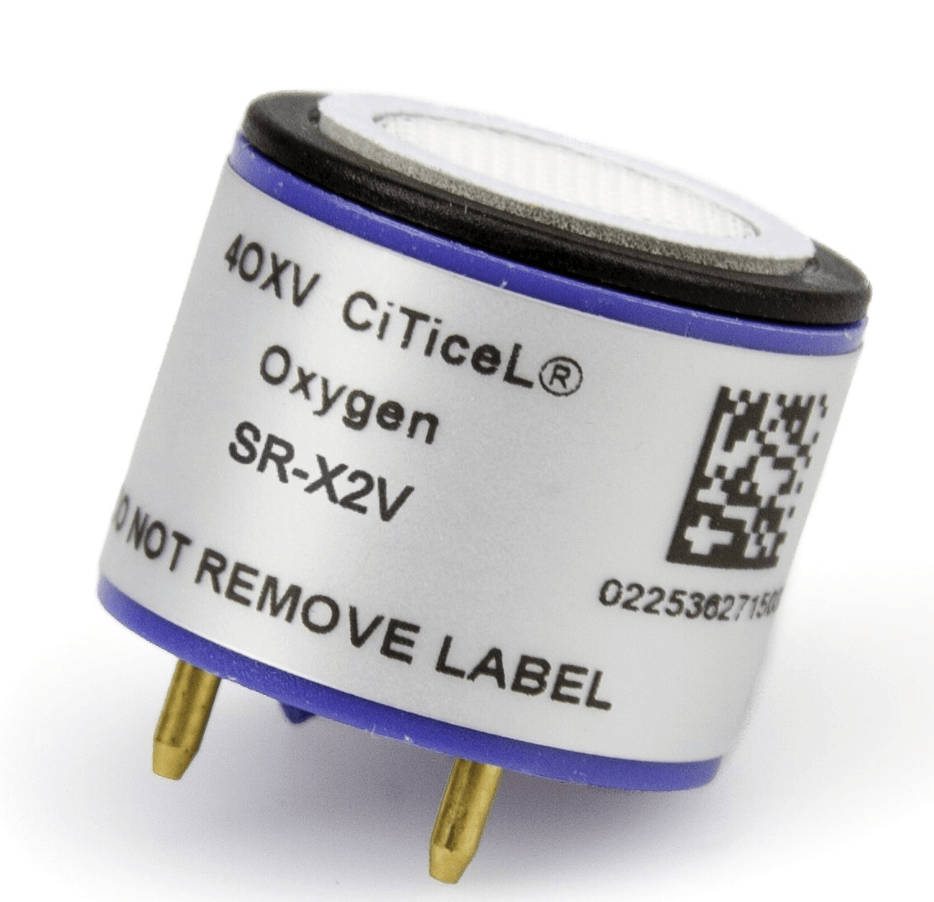
If your gas detector’s oxygen sensor fails when you need it most, the consequences can be fatal. Oxygen-deficient atmospheres are among the leading causes of confined space deaths, and in nearly every incident report I’ve reviewed, the warning signs were there long before the alarm failed to sound.
I’m an industrial automation engineer specializing in gas detection and safety systems, and testing oxygen sensors is something I’ve done hundreds of times across refineries, water treatment plants, and manufacturing facilities.
In this guide, I’ll show you exactly how to test an oxygen sensor the way it’s done in professional settings no guesswork, no shortcuts.
How to Test an Oxygen Sensor
To test an oxygen sensor, first verify it reads 20.9% vol in fresh air, then perform a bump test by applying a known concentration of test gas (typically 18.0% O₂ in nitrogen) and confirming the low-oxygen alarm activates.
If the reading drifts outside ±0.5% of the applied gas concentration, perform a full calibration. If the sensor fails to calibrate, replace it.
Let’s break each step down in detail.
Why Testing Your Oxygen Sensor Matters
Electrochemical oxygen sensors, the type found in virtually all portable gas monitors, are consumable components.
They rely on a chemical reaction (typically lead oxidation or, in newer lead-free designs, an oxygen pump cell) that depletes over time whether you use the instrument or not.
A typical electrochemical O₂ sensor lasts 18 to 24 months. Newer long-life sensors can reach 5 years. But here’s the critical point: a dying oxygen sensor often fails gradually, not suddenly. It may still show a plausible reading while responding too slowly or not at all to a real oxygen deficiency.
That’s why OSHA guidance and manufacturers like Honeywell, Dräger, and Industrial Scientific all recommend the same thing: bump test before each day’s use and calibrate on a regular schedule (typically monthly or per your site’s safety program).
Fresh Air Reading: The First Check
Before anything else, confirm your baseline.
- Take the detector to clean, fresh air outdoors, away from vehicle exhaust, exhaust vents, or any process area.
- Power on the instrument and let it complete its startup sequence and warm-up (usually 30–60 seconds).
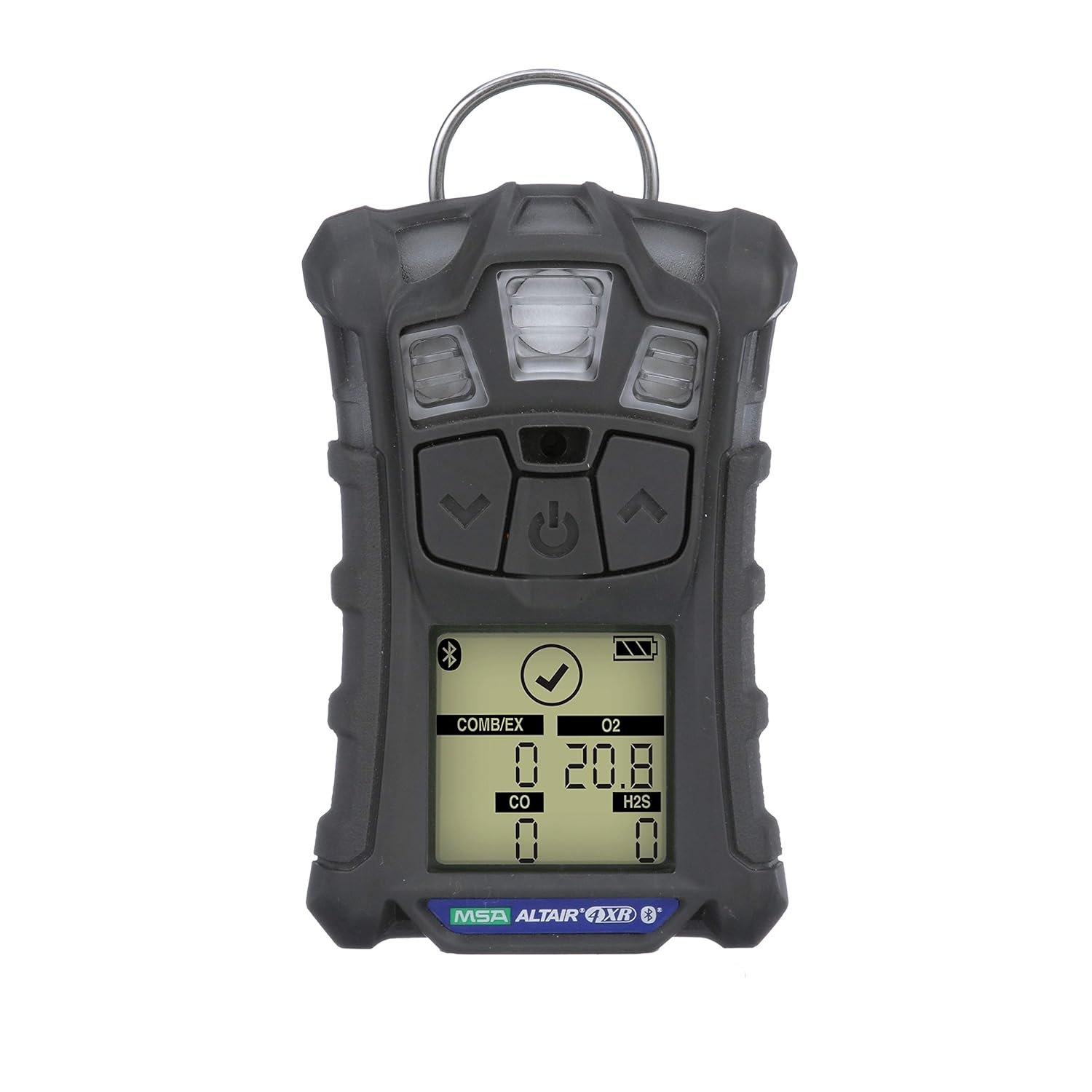
- Check the O₂ reading. In fresh air at normal atmospheric pressure, it should display 20.9% vol.
If the reading shows something like 20.4% or 21.3%, the sensor has drifted. A small drift is normal over weeks of use and is corrected with a fresh air calibration (often called “zeroing” or “fresh air setup” on instruments like the Honeywell BW Solo or BW Clip).
If the reading is wildly off, say, 17% in fresh air, skip straight to a full calibration, and if that fails, replace the sensor.
Pro tip from the field
Never perform a fresh air calibration indoors in a plant environment. I’ve seen technicians “zero” a detector in a compressor room where the actual O₂ level was slightly depressed, which shifted the entire measurement scale and masked a real hazard later in that shift.
How to Bump Test an Oxygen Sensor (Daily Check)
A bump test is a quick functional check: you expose the sensor to test gas and verify the alarm responds. It takes under a minute, and it’s the single most important habit in gas detection.
What You’ll Need
- Your gas detector with the O₂ sensor installed
- A cylinder of certified test gas for oxygen sensors; this is typically 18.0% O₂ balanced in nitrogen (often part of a multi-gas mix that also contains CO, H₂S, and methane)
- A fixed-flow regulator (0.5 LPM is standard)
- Calibration tubing and the correct calibration cap/adapter for your instrument
Read more about bump tests in gas detection.
Step-by-Step Bump Test Procedure
- Check the test gas expiration date. Expired gas gives unreliable results. Oxygen mixes are stable, but if your mix includes reactive gases like H₂S, shelf life matters.
- Power on the detector in fresh air and confirm the 20.9% baseline.
- Attach the calibration cap to the detector and connect the tubing to the regulator.
- Open the regulator and let the gas flow over the sensor.
- Watch the display. The O₂ reading should drop from 20.9% toward 18.0% within about 30 seconds. Most sensors reach T90 (90% of final reading) in 15 seconds or less when healthy.
- Confirm the low-oxygen alarm activates. The default low alarm is 19.5% vol (the OSHA-defined oxygen-deficient threshold), so the reading passing below that point must trigger audible, visual, and vibration alarms.
- Remove the gas and confirm the reading recovers to 20.9% within a minute or so.
Pass criteria
The alarm activated, and the reading settled within ±0.5% vol of the test gas concentration (i.e., between 17.5% and 18.5% for an 18.0% mix).
Fail criteria
No alarm, sluggish response (taking 60+ seconds to move), or a final reading outside tolerance. A failed bump test means the instrument goes out of service until it passes a full calibration.
Bump Test vs. Calibration: What’s the Difference?
| Bump Test | Full Calibration | |
|---|---|---|
| Purpose | Verify sensor responds, and alarms work | Adjust sensor accuracy to a known standard |
| Frequency | Before each day’s use | Monthly (or per manufacturer/site policy) |
| Duration | 30–60 seconds | 2–5 minutes |
| Adjusts readings? | No, pass/fail only | Yes, resets span and zero points |
| Gas required | Certified test gas | Certified calibration gas |
| If it fails | Perform full calibration | Replace the sensor |
How to Calibrate an Oxygen Sensor (Full Test)
If the bump test fails, or your calibration interval is due, perform a full calibration. The exact menu steps vary by instrument, but the logic is universal.
Fresh air calibration (zero/span for O₂).
Oxygen sensors are unusual: fresh air at 20.9% actually serves as the span point for many instruments, since it’s a known, stable concentration. Enter the calibration menu and run the fresh air setup in clean outdoor air.
Apply calibration gas
Connect your 18.0% O₂ (or the concentration your manufacturer specifies) and let the instrument sample it. Docking stations like the Honeywell IntelliDoX or Industrial Scientific DSX automate this entire sequence.
Let the instrument adjust
The detector compares the sensor’s raw output against the known gas value and corrects its internal scaling.
Verify
After calibration, the sensor should read the applied gas concentration within tolerance and return cleanly to 20.9% in fresh air.
If calibration fails or the sensor can’t reach span
The electrochemical cell is depleted. There is no fixing a dead O₂ sensor; replacement is the only option.
Most portable monitors make this a simple swap; just remember the new sensor needs a stabilization period (often several hours to overnight) before its first calibration.
5 Signs Your Oxygen Sensor Is Failing
Catch a dying sensor before it fails a bump test.
- Drifting fresh air readings: you find yourself re-zeroing more often than usual.
- Slow response time: the reading crawls toward the test gas value instead of dropping quickly.
- Failure to recover after removing test gas: the sensor takes minutes to climb back to 20.9%.
- Erratic or jumpy readings: the display fluctuates with no atmospheric change, often a sign of electrolyte depletion or a damaged membrane.
- If the sensor is past its rated service life (check the manufacture date printed on the sensor body), replace it proactively. Don’t wait for the failure.
Common Mistakes to Avoid
Zeroing in contaminated air
Always use genuinely fresh outdoor air for the fresh air setup.
Using expired or wrong test gas
Pure nitrogen (0% O₂) can be used to check that the sensor responds downward, but it doesn’t verify accuracy at the alarm point the way an 18.0% mix does.
Skipping the bump test because “it passed yesterday.”
Sensors can be poisoned or blocked overnight; dropped instruments, blocked sensor ports, and temperature shock are all real-world failure causes I’ve encountered.
Blowing exhaled breath on the sensor as a “test.”
Your breath is roughly 16% O₂, so the reading will drop, but this is not a controlled test; it doesn’t verify accuracy and introduces moisture into the sensor. Some manufacturers explicitly warn against it.
Ignoring altitude and pressure
O₂ sensors measure partial pressure. At high altitude, readings shift; calibrate at the altitude where the instrument will be used.
Frequently Asked Questions
What should an oxygen sensor read in normal air?
20.9% vol. That’s the oxygen concentration of Earth’s atmosphere at sea level, and it’s the universal fresh air baseline for gas detection instruments.
How often should I test my oxygen sensor?
Bump test before each day’s use, and perform a full calibration at least monthly or per your manufacturer’s and site safety program’s requirements. High-exposure environments may require more frequent calibration.
What gas do you use to test an oxygen sensor?
The standard is a certified mix of 18.0% oxygen balanced in nitrogen, usually supplied as part of a quad-gas cylinder. Pure nitrogen can verify downward response but does not confirm accuracy at the alarm setpoint.
How long does an oxygen sensor last in a gas detector?
Standard electrochemical O₂ sensors last 18–24 months. Long-life lead-free O₂ sensors, now common in instruments like the Honeywell BW Solo and MicroClip XL, are rated for up to 5 years.
Can you recalibrate a failed oxygen sensor?
No. If a sensor fails calibration, the electrochemical cell is depleted and must be replaced. Calibration corrects drift in a healthy sensor; it cannot restore a dead one.
At what oxygen level does the alarm go off?
The default low alarm on most instruments is 19.5% vol, matching OSHA’s definition of an oxygen-deficient atmosphere. The high alarm is typically 23.5% vol., indicating oxygen enrichment is a serious fire hazard.
Final Thoughts
Testing an oxygen sensor comes down to three habits: verify 20.9% in fresh air, bump test daily with certified gas, and calibrate on schedule. It costs you a minute at the start of a shift. Skipping it can cost far more.