
Methane gas (CH₄) is one of the most common yet underestimated hazards in homes, farms, and industrial facilities.
Colorless, odorless in its pure form, and highly flammable, methane can accumulate undetected, leading to explosions, fires, or oxygen displacement that puts lives at risk.
In this guide, you’ll learn exactly how to detect methane gas effectively, which detection technologies work best for different settings, warning signs to watch for, and the safety steps to take if a leak is found.
Whether you’re a homeowner near a natural gas line, a facility manager, or a safety professional, this resource gives you everything you need to stay protected.
What Is Methane Gas and Why Is It Dangerous?
Methane is the primary component of natural gas, making up roughly 70–90% of its composition. It’s produced naturally by decomposing organic matter in landfills, swamps, and digestive systems, as well as during oil and gas extraction, coal mining, and agricultural processes.
Key dangers of methane gas include
Flammability
Methane is explosive at concentrations between 5% and 15% in air (its Lower Explosive Limit and Upper Explosive Limit).
Asphyxiation
In enclosed spaces, high methane concentrations displace oxygen, causing dizziness, unconsciousness, or death.
Invisibility
Pure methane has no color or odor. The “rotten egg” smell you associate with gas leaks comes from added mercaptan, a safety odorant used by utilities.
Climate impact
As a greenhouse gas, methane is over 80x more potent than CO2 over 20 years relevant for industrial monitoring.
Common Sources of Methane Leaks
Understanding where methane comes from helps you focus your detection efforts. The most common sources include:
- Natural gas pipelines and fittings in homes and businesses.
- Gas appliances (stoves, water heaters, furnaces, dryers).
- Underground utility lines near construction zones.
- Landfills and municipal waste processing sites.
- Agricultural operations (manure lagoons, anaerobic digesters).
- Oil and gas wells, pipelines, and compressor stations.
- Coal mines and abandoned mine shafts.
How to Detect Methane Gas: 5 Proven Methods
There is no single “best” method for detecting methane; the right approach depends on your environment, budget, and detection goals. Here are the five most effective methods used today:
Fixed Methane Gas Detectors (Stationary Sensors)
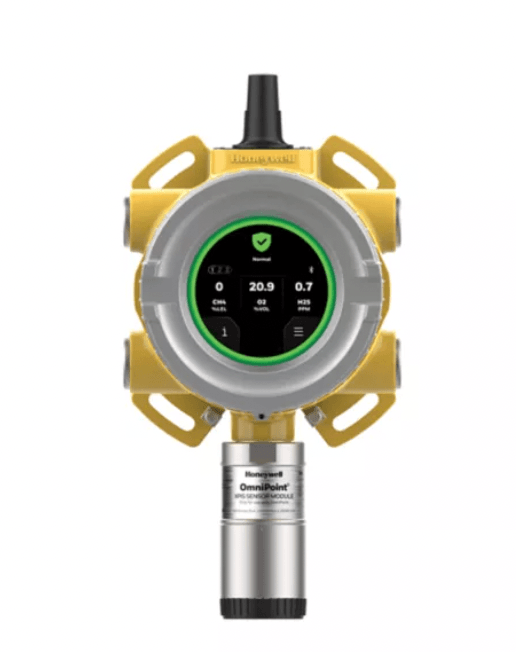
Fixed gas detectors are permanently installed sensors designed for continuous monitoring in a specific area.
They’re ideal for industrial facilities, utility rooms, basements, and confined spaces where methane could accumulate.
How they work
Most fixed sensors use a catalytic bead (pellistor) or infrared (IR) technology to measure methane concentration in parts per million (ppm) or as a percentage of the Lower Explosive Limit (%LEL). When levels exceed a preset threshold, they trigger audible and visual alarms.
Best for
Industrial plants, boiler rooms, commercial kitchens, server rooms with gas cooling, and any high-risk enclosed space.
Portable (Handheld) Methane Gas Detectors
Portable detectors give technicians, inspectors, and first responders the ability to survey an area, pinpoint leak sources, and verify repairs. They offer flexibility that fixed systems cannot.
How they work
Handheld units typically use electrochemical sensors, metal oxide semiconductor (MOS) sensors, or photoionization detectors (PIDs).
The user moves the probe near suspected leak points and reads the real-time concentration display.
Best for
HVAC technicians, plumbers, safety inspectors, utility workers, and homeowners are investigating a suspected leak.
Combustible Gas Leak Detectors (Sniffers)
Gas “sniffers” are a consumer-friendly version of portable detectors, widely available and affordable for home use.
Many respond to a broad range of combustible gases, including methane, propane, and butane.
How they work
The device alerts via audible beeps and/or indicator lights when it detects combustible gas above a threshold. The closer you get to a leak source, the faster the alarm pattern.
Best for
Homeowners should do routine checks around gas appliances, connections, and utility meters. Not suitable for precise ppm measurements.
Soap Bubble Test (Manual Method)
The soap bubble test is a low-tech but surprisingly effective method for pinpointing leaks on gas pipes, connectors, and fittings. It’s a standard first-response technique used by plumbers and gas technicians.
How it works
Mix dish soap and water into a solution, then apply it generously around joints, valves, and connections. Methane (or any gas) leaking from that point will cause visible bubbles to form.
Best for
Checking specific joints and fittings after installation or repair. Not useful for detecting diffuse leaks or measuring concentration levels.
Infrared (LIDAR) and Optical Gas Imaging (OGI)
At the professional and industrial end of the spectrum, Optical Gas Imaging cameras and LIDAR-based (laser detection and ranging) systems allow technicians to visualize methane leaks as a visible “cloud” in real time, even from a distance.
How they work
OGI cameras use cooled infrared focal plane array detectors sensitive to the specific wavelengths absorbed by methane.
LIDAR systems emit laser pulses and analyze the backscatter to detect and quantify gas concentrations over large areas.
Best for
Pipeline inspections, oil and gas facilities, large industrial sites, and regulatory compliance monitoring. These systems are expensive but unmatched in sensitivity and coverage area.
Warning Signs of a Methane Leak
Even before you deploy a detector, the following warning signs may indicate a methane leak.
| Warning Sign | What It May Indicate |
| Sulfur or “rotten egg” smell | The mercaptan additive in natural gas is detectable. Take this seriously immediately. |
| Dead vegetation in a patch | Underground pipe leak killing grass or plants from the roots up. |
| Bubbling in standing water | An underground pipe leak is killing grass or plants from the roots up. |
| Hissing or whistling sounds | Gas escaping from a pressurized line or fitting. |
| Physical symptoms | Headache, dizziness, nausea, and possible oxygen displacement in an enclosed space. |
| Higher-than-normal gas bills | Unexplained usage increase may indicate an undetected leak. |
Step-by-Step: What to Do If You Detect Methane
If your detector alarms or you suspect a methane leak, follow these steps immediately.
- Do not operate any switches or electrical devices. Even a light switch can ignite gas. Leave things as they are.
- Evacuate immediately. Get all people (and pets) out of the building right away.
- Leave doors open as you exit. This helps ventilate the space without creating ignition.
- Do not use your phone inside the building. Move a safe distance away before calling.
- Call your gas utility and 911 from outside the building or a neighbor’s home.
- Do not re-enter until emergency responders or a qualified technician have declared it safe.
Choosing the Right Methane Detector for Your Needs
Not all detectors are equal. Use this quick guide to match your situation to the best option:
- Homeowner / Renter: A combination natural gas + CO detector (like those from Kidde or First Alert) placed near gas appliances covers both key risks affordably.
- HVAC / Plumbing Technician: A handheld combustible gas sniffer with a flexible probe is essential for checking connections and verifying repairs.
- Industrial Facility: Fixed catalytic bead or IR sensors wired into a central gas detection system with automatic shut-off valves is the gold standard.
- Oil & Gas / Pipeline: Optical Gas Imaging cameras and drone-mounted LIDAR sensors provide the best coverage for large-scale, regulatory-grade detection.
- Farm / Agricultural: Portable multi-gas detectors that include methane (CH4) alongside hydrogen sulfide (H2S) are often necessary for manure or digester environments.
Methane Detector Placement: Where to Install Sensors
Even the best sensor is ineffective if it’s in the wrong location. Methane is lighter than air (molecular weight 16 vs. air’s ~29), so it rises and accumulates near ceilings and at the tops of enclosed spaces.
Placement tips
- Installing sensors high on walls or near the ceiling, within 12 inches of the ceiling, is ideal for methane.
- Place sensors within 10 feet of gas appliances (stoves, water heaters, furnaces).
- Install in utility rooms, basements with gas lines, and attached garages if applicable.
- Never place sensors directly above a cooktop or in areas with high heat or steam (false alarms or sensor damage).
- For industrial or multi-zone settings, follow NFPA 72 and IEC 60079-29 standards for sensor spacing and placement.
Maintenance and Testing Your Methane Detector
A detector that isn’t maintained is nearly as dangerous as no detector at all. Follow these best practices.
- Test monthly: Use the built-in test button (for alarm function) and a bump test gas can (for sensor function) monthly.
- Calibrate annually: Professional calibration ensures the sensor reads accurately. Industrial detectors may require more frequent calibration.
- Replace sensors on schedule: Most catalytic bead sensors last 2–5 years. Electrochemical sensors typically last 1–3 years. Check your manufacturer’s specifications.
- Keep logs: For commercial or industrial environments, document all tests, calibrations, and alarm events for compliance purposes.
- Clean gently: Dust and debris can block sensor ports. Wipe the exterior carefully without using solvents or spraying cleaners near the sensor head.
Frequently Asked Questions About Methane Detection
Can I smell methane gas?
Pure methane is odorless. However, natural gas supplied by utilities has mercaptan (a sulfur compound) added specifically so you can smell it.
If you smell “rotten eggs” or sulfur near a gas appliance or pipe, treat it as a potential methane leak.
Is a carbon monoxide (CO) detector the same as a methane detector?
No. CO detectors sense carbon monoxide, a byproduct of incomplete combustion, not methane itself.
You need a dedicated natural gas/methane detector or a combination gas+CO unit to detect both hazards. Many modern combination units cover both.
How long does a methane detector last?
Sensor lifespan varies by technology: catalytic bead sensors typically last 3–5 years, while electrochemical sensors last 1–3 years.
Always follow the manufacturer’s replacement schedule, as expired sensors may fail to alarm even during a genuine leak.
What concentration of methane is dangerous?
Methane becomes explosive between 5% (50,000 ppm) and 15% by volume in air, the flammable range.
However, health effects from oxygen displacement can occur at concentrations above 25%. Most detectors alarm well below these thresholds for early warning.
Final Thoughts: Don’t Leave Methane Detection to Chance
Methane gas detection isn’t complicated, but it does require the right tool for your specific environment, correct placement, and regular maintenance.
Whether you’re protecting a single-family home or overseeing an industrial plant, the steps are the same: know your risk, deploy the right detector, test it regularly, and have a clear action plan for when alarms sound.
At SafeguardSense, we’re committed to helping you make informed decisions about gas detection equipment and safety systems.
Explore our product reviews, buyer’s guides, and expert comparisons to find the best methane detector for your needs.
Stay safe because the best time to detect a leak is before you know it’s there.