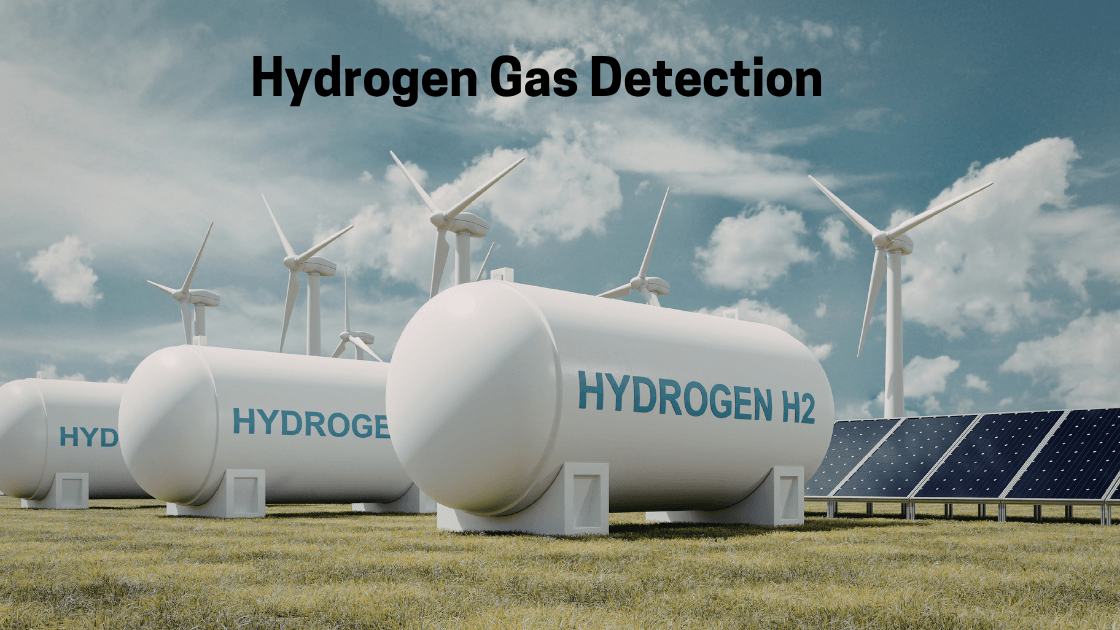
Hydrogen (H₂) is one of the most abundant elements on Earth and one of the most promising clean energy sources of the 21st century.
But it also comes with serious safety risks that demand respect. Colorless, odorless, and highly flammable, hydrogen gas can accumulate undetected in enclosed spaces, creating explosive atmospheres that can ignite with a single spark.
Whether you work in a chemical plant, a fuel cell facility, a battery room, or a hydrogen fueling station, hydrogen gas detection is not optional. It is a critical line of defense between routine operations and catastrophic failure.
This comprehensive guide covers everything you need to know about hydrogen gas detection: the properties that make it dangerous, how different sensor technologies work, where detectors should be placed, regulatory standards you must comply with, and how to select the right system for your application.
Understanding Hydrogen Gas: Properties and Hazards
Before selecting a detection system, it is essential to understand what makes hydrogen gas uniquely challenging to manage.
Physical and Chemical Properties
| Property | Value |
|---|---|
| Molecular Formula | H₂ |
| Molecular Weight | 2.016 g/mol |
| Color | Colorless |
| Odor | Odorless |
| Flammable Range (LEL–UEL) | 4% – 75% by volume |
| Autoignition Temperature | 500°C (932°F) |
| Density vs Air | 0.0695 (lighter than air) |
| Diffusion Coefficient | ~0.61 cm²/s (fast dispersal) |
Why Hydrogen Is Especially Dangerous
Wide flammable range
Most fuels have a narrow flammable range. Hydrogen’s range spans from 4% (Lower Explosive Limit, or LEL) to 75% (Upper Explosive Limit, or UEL) by volume in air.
This means hydrogen can ignite across a much wider range of concentrations than gasoline, methane, or propane.
Invisible flame
A hydrogen flame burns nearly invisibly in daylight. This makes accidental fires extremely difficult to detect without specialized cameras or sensors.
Low ignition energy
Hydrogen requires only 0.017 millijoules of energy to ignite, roughly 14 times less than methane. A static spark from clothing or equipment is more than enough.
Rapid dispersal
Hydrogen is the lightest gas in existence. It rises and disperses quickly, which can be beneficial outdoors but dangerous in enclosed spaces where it can pool near ceilings and in poorly ventilated areas.
Buoyancy hazard
Because hydrogen is approximately 14 times lighter than air, it accumulates at the highest points in a room near ceilings, in roof voids, and along overhead beams, where traditional sensors placed at breathing height may fail to detect it.
How Hydrogen Gas Detectors Work
Hydrogen gas detectors work by continuously sampling the surrounding air and comparing the concentration of H₂ molecules against a calibrated baseline.
When the detected concentration reaches a pre-set alarm threshold, typically expressed as a percentage of the Lower Explosive Limit (%LEL) or in parts per million (ppm), the detector triggers an alert.
Detection Thresholds Explained
%LEL
Used for explosion risk monitoring. A reading of 10% LEL means the atmosphere contains 10% of the concentration needed to ignite. Alarms are typically set at 10% LEL (warning) and 25% LEL (evacuate).
ppm (parts per million)
Used for health and environmental monitoring at low concentrations, particularly in confined spaces and fuel cell applications.
Types of Hydrogen Gas Sensors
Not all hydrogen sensors use the same technology. Each has strengths and limitations that make it suitable for specific environments and applications.
Catalytic Bead (Pellistor) Sensors
How it works
A catalytic bead sensor contains two matched resistors, one coated with a catalyst (the active bead) and one inert (the reference bead).
When hydrogen contacts the active bead, it oxidizes on the catalyst surface, generating heat. This heat changes the bead’s electrical resistance, which creates a measurable signal proportional to gas concentration.
Advantages
- Proven, cost-effective technology.
- Accurate across a broad concentration range.
- Responds well at or below LEL.
Disadvantages
- Can be “poisoned” by silicones, sulfur compounds, or halogenated gases, permanently degrading performance.
- Requires oxygen to function and cannot be used in oxygen-deficient atmospheres.
- Does not detect above 100% LEL (sensor saturates).
Best for
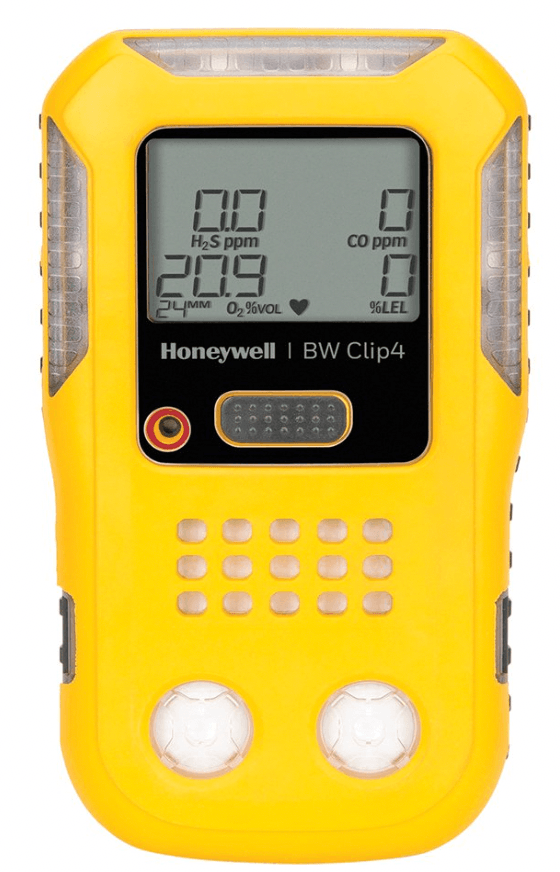
Industrial facilities, warehouses, battery rooms, and general flammable gas monitoring.
Electrochemical Sensors
How it works
Hydrogen gas diffuses through a permeable membrane into an electrochemical cell where it undergoes oxidation at an electrode. The resulting current is proportional to the H₂ concentration.
Advantages
- Excellent sensitivity at low ppm concentrations.
- Low power consumption.
- Highly selective to hydrogen with proper design.
Disadvantages
- Limited lifespan (typically 2–3 years).
- Sensitive to temperature and humidity extremes.
- Cross-sensitivity with other gases (e.g., CO, H₂S).
Best for
Fuel cell monitoring, laboratories, confined space entry, medical, and semiconductor applications require low-level detection.
Thermal Conductivity Sensors
How it works
These sensors compare the thermal conductivity of the sampled gas to that of a reference gas (usually air).
Hydrogen has an exceptionally high thermal conductivity, about six times that of air, making it ideal for this measurement approach.
Advantages
- Can detect hydrogen at concentrations above 100% LEL (where pellistors fail).
- Does not require oxygen to function.
- Long operational life.
- Not susceptible to catalyst poisoning.
Disadvantages
- Lower sensitivity at concentrations below 1,000 ppm.
- Can be affected by other gases with high thermal conductivity (e.g., helium).
Best for
High-concentration monitoring, inert atmospheres, hydrogen storage, and refueling stations where full-range detection is needed.
Metal Oxide Semiconductor (MOS) Sensors
How it works
A metal oxide film (commonly tin oxide) changes its electrical resistance when hydrogen molecules adsorb onto its surface. The resistance change correlates with H₂ concentration.
Advantages
- Fast response time.
- Compact and low cost.
- No oxygen dependency.
Disadvantages
- Poor selectivity responds to many gases, including alcohol vapors and CO.
- Requires warm-up time.
- Sensitive to humidity and temperature.
Best for
Consumer safety devices, early-warning detectors where false positives are acceptable, and residential fuel cell systems.
Optical (Infrared) and Fiber-Optic Sensors
How it works
Optical sensors exploit the way hydrogen interacts with specific materials under infrared light. Fiber-optic sensors use a palladium-coated fiber that changes its optical properties in the presence of hydrogen.
Advantages.
- Highly selective for hydrogen.
- Immune to electromagnetic interference (EMI).
- Suitable for remote sensing in hazardous locations.
- No risk of ignition (intrinsically safe).
Disadvantages
- Higher cost than electrochemical or catalytic sensors.
- More complex installation and maintenance.
Best for
High-risk ATEX/IECEx hazardous areas, remote locations, hydrogen pipelines, and high-value infrastructure.
Where to Install Hydrogen Gas Detectors
Correct placement is arguably more important than sensor technology. A misplaced detector may provide false security, failing to detect a dangerous accumulation before it is too late.
Golden Rule: Follow the Gas
Because hydrogen is lighter than air, it rises. Detectors must be mounted high in the room, within 12 inches (30 cm) of the ceiling or at the highest point of the potential accumulation zone.
General Placement Guidelines
Indoor spaces
Mount detectors near ceiling level, particularly above potential leak sources (valves, fittings, connections).
Ventilation points
Place sensors near return air ducts, ventilation openings, and exhaust fans where gas could concentrate.
Hydrogen storage areas
Install detectors at roof level in storage rooms and directly above cylinder racks or bulk storage vessels.
Battery rooms
Lead-acid batteries produce hydrogen during charging. Detectors should be placed on the ceiling directly above the battery banks.
Fuel cell systems
Monitor both the hydrogen supply line area and the enclosure interior.
Refueling stations
Install sensors at dispenser locations, compressor rooms, and canopy peaks.
Tunnels and enclosed parking
Mount sensors at regular intervals near the ceiling along the length of the space.
How Many Detectors Are Needed?
Detection coverage depends on.
- Room volume and ceiling height.
- Air exchange rate and ventilation patterns.
- Number and location of potential leak sources.
- Local regulatory requirements.
As a starting point, most standards recommend one detector per 200–500 square feet of floor area for general monitoring, with additional sensors at each identified risk point. Always consult a certified gas detection engineer for site-specific layouts.
Key Industries That Require Hydrogen Detection
Hydrogen Energy and Fuel Cells
The global hydrogen economy is growing rapidly. Electrolyzers, fuel cells, hydrogen refueling stations (HRS), and pipelines all require comprehensive detection systems.
Hydrogen is handled at very high pressures (up to 700 bar in vehicle fueling), where even a small leak can quickly reach LEL.
Battery Manufacturing and Storage
Lithium-ion and lead-acid batteries both produce hydrogen gas during charging and under fault conditions such as thermal runaway. Battery energy storage systems (BESS) require both hydrogen and carbon monoxide detection.
Chemical and Petrochemical Plants
Hydrogen is used as a feedstock in oil refining (hydrocracking, hydrotreating), ammonia synthesis, and methanol production.
Process pipes and reactors operating at high pressure and temperature are significant leak sources.
Semiconductor Fabrication
Ultra-high-purity hydrogen is used in semiconductor manufacturing as a carrier gas and in annealing processes. Detection at ppm levels is required to protect both personnel and sensitive equipment.
Metal Production and Heat Treatment
Hydrogen atmosphere furnaces are used in annealing, sintering, and brazing. Furnace leaks pose significant explosion risks.
Laboratories and Research Facilities
Any facility using hydrogen gas cylinders, generators, or electrolyzer systems requires robust detection, including academic and R&D environments that may lack dedicated safety teams.
Power Generation
Hydrogen is used to cool large generators in power stations. Generator cooling systems can develop leaks that accumulate in confined spaces.
Regulatory Standards and Compliance
Hydrogen gas detection systems must comply with a range of international and regional standards.
Non-compliance can result in regulatory penalties, increased insurance costs, and liability exposure in the event of an incident.
Key Standards to Know
NFPA 2 (Hydrogen Technologies Code)
The primary US standard for hydrogen systems, covering storage, handling, and safety systems, including detection requirements.
NFPA 72 (National Fire Alarm and Signaling Code)
Governs alarm system design, installation, and performance in the US.
IEC 60079 series
International standards for equipment used in explosive atmospheres (ATEX in Europe, IECEx globally), including gas detection equipment.
EN 60079-29-1
European standard for performance requirements of gas detectors for flammable gases.
ISO 26142
An international standard specifically for hydrogen detection apparatus, covering performance requirements and test methods.
OSHA 29 CFR 1910.119
OSHA’s Process Safety Management (PSM) standard, which requires hazard analysis and safety systems for processes involving highly hazardous chemicals, including hydrogen above threshold quantities.
CSA B149.1
The Canadian standard for natural gas and propane installation references hydrogen detection in applicable contexts.
IEC 62282 series
Standards for fuel cell technologies, including requirements for hydrogen safety monitoring.
Always verify which standards apply to your specific jurisdiction, application, and facility type. Regulations governing hydrogen are evolving rapidly as the hydrogen economy expands.
How to Choose the Right Hydrogen Gas Detector
Selecting the right detector involves balancing sensitivity, environment, regulatory requirements, and cost. Use this framework to guide your decision.
Step 1: Define the Detection Objective
- Are you monitoring for explosion risk (%LEL range)?
- Are you monitoring for health exposure (ppm range)?
- Do you need full-range detection (both low and high concentrations)?
Step 2: Characterize the Environment
Temperature and humidity
Some sensors degrade in extreme conditions.
Presence of interfering gases
Silicones, sulfur, CO, and alcohol vapors can poison or cross-sensitize certain sensor technologies.
Oxygen levels
Catalytic sensors require oxygen; thermal conductivity sensors do not.
Hazardous area classification
Zone 0, 1, or 2 (ATEX) or Division 1 or 2 (NEC) will determine required certifications.
Step 3: Evaluate Sensor Technologies Against Your Environment
Use the technology comparison above to match sensor type to environment. For most industrial applications, catalytic or thermal conductivity sensors are appropriate. For low-concentration or high-selectivity needs, electrochemical sensors are preferred.
Step 4: Review Certifications
Ensure the detector holds relevant certifications for your region and hazardous area classification:
- ATEX / IECEx for international/European hazardous areas.
- UL / FM for North American-listed equipment.
- SIL (Safety Integrity Level) rating for safety-critical applications.
Step 5: Consider the Full System
A single point detector is rarely sufficient. Consider.
- Fixed multi-point systems with a central controller for large facilities.
- Wireless detectors for hard-to-reach locations.
- Portable personal monitors for maintenance workers and confined space entry.
- Integration with building management systems (BMS) or SCADA platforms.
Step 6: Evaluate Total Cost of Ownership
Purchase price is only part of the cost. Factor in.
- Sensor replacement frequency and cost.
- Calibration gas requirements.
- Maintenance labor.
- System integration and commissioning.
Maintenance and Calibration Best Practices
A hydrogen detector that is not properly maintained provides false confidence, and false confidence is more dangerous than no detector at all.
Calibration
Bump testing
Before each use (or at least weekly for fixed systems), expose the sensor to a known concentration of hydrogen gas to verify it responds and alarms correctly. A bump test is a quick functional check, not a full calibration.
Full calibration
Perform a full two-point calibration (zero and span) according to the manufacturer’s schedule, typically every 3 to 6 months. Use certified calibration gas traceable to national standards (NIST in the US).
Calibration records
Maintain a calibration log for every detector, including date, technician, gas concentration used, before and after readings, and pass/fail status. This documentation is essential for regulatory inspections.
Preventive Maintenance
- Inspect sensor housings for physical damage, corrosion, and blockage of the gas access port.
- Replace filters and membranes on schedule to prevent contaminants from reaching the sensor element.
- Check wiring and connections for corrosion, especially in wet or marine environments.
- Test alarm outputs (audible, visual, relay contacts) to confirm they activate at the correct setpoints.
- Replace sensors proactively before end-of-life rather than waiting for failure. Most manufacturers specify sensor lifespan ranging from 2 to 5 years, depending on technology.
Documenting and Tracking
Consider using a gas detection management software platform to schedule maintenance, log calibrations, and generate compliance reports automatically.
Common Mistakes in Hydrogen Gas Detection
Even well-intentioned safety programs make avoidable errors. Here are the most common pitfalls and how to avoid them.
Mounting detectors at the wrong height
Placing H₂ detectors at breathing height (as you might for CO or H₂S) will mean they detect the gas only after it has already accumulated to dangerous levels near the ceiling. Always mount near the ceiling.
Neglecting bump tests
Many organizations calibrate on schedule but skip daily or weekly bump tests. A sensor can fail between calibrations; bump testing catches this.
Using the wrong sensor technology
A catalytic sensor in an oxygen-deficient or silicone-contaminated environment will fail silently. Always match technology to the environment.
Relying on a single detector
One detector covers a limited area. Complex facilities with multiple potential leak sources need multiple detectors, strategically placed.
Ignoring alarm setpoints
Factory-default alarm setpoints may not match your facility’s risk profile or regulatory requirements. Always review and adjust setpoints during commissioning.
Failing to test alarm outputs
A detector that reads correctly but does not trigger the alarm relay or strobe is just as dangerous as no detector. Test the complete alarm chain.
Overlooking portable monitoring
Fixed detectors protect areas. Portable monitors protect workers, especially during maintenance, confined space entry, and emergency response. Both are necessary.
Deferring maintenance due to cost
Sensor replacement and calibration gas are inexpensive compared to the cost of a single incident. Deferred maintenance is a false economy.
Frequently Asked Questions
Can I use a natural gas detector to detect hydrogen?
Not reliably. Most natural gas (methane) detectors use catalytic sensors calibrated for methane. While they may respond to hydrogen, the response factor differs significantly, leading to inaccurate readings. Always use a detector specifically calibrated and validated for hydrogen.
At what concentration does hydrogen become dangerous?
Hydrogen becomes flammable at 4% by volume in air (the LEL). Most safety systems alarm at 10–25% LEL (0.4–1.0% H₂ by volume) to provide a safety margin.
For health effects, OSHA does not have a permissible exposure limit for hydrogen as a toxic gas, but oxygen displacement in confined spaces is a hazard at any concentration displacing sufficient O₂.
How often should hydrogen detectors be calibrated?
A: Most manufacturers and standards recommend a full calibration every 3 to 6 months, with bump tests performed more frequently (weekly or before each use for portable units). Always follow the manufacturer’s specifications and applicable regulatory requirements.
What is the difference between LEL and ppm for hydrogen?
A: LEL (Lower Explosive Limit) is expressed as a percentage of the explosive threshold. For hydrogen, 100% LEL = 4% H₂ by volume = 40,000 ppm. So 10% LEL = 4,000 ppm, and 25% LEL = 10,000 ppm. LEL is used for explosion risk; ppm is used for low-concentration health and process monitoring.
Do I need an ATEX-certified detector?
If your installation is in a classified hazardous area (Zone 0, 1, or 2 in Europe; Division 1 or 2 in North America), you are legally required to use equipment certified for that classification. ATEX certification is mandatory in the EU/EEA; IECEx is the international equivalent.
Can hydrogen leak through metal pipes and fittings?
Yes. Hydrogen’s extremely small molecular size allows it to permeate through some materials, including certain metals at high temperatures and pressures (hydrogen embrittlement and permeation).
This is why hydrogen-rated fittings, seals, and tubing specifications are critical, and why detection cannot be replaced by containment alone.
Conclusion: Building a Culture of Hydrogen Safety
Hydrogen gas detection is not simply a box to check for regulatory compliance. It is a fundamental component of a layered safety strategy that protects workers, assets, and communities.
The right detection system selected for the specific sensor technology, installed at the correct location, maintained to manufacturer and regulatory standards, and integrated into a comprehensive alarm response plan, can identify a developing hazard in seconds and give your team the time to act before a small leak becomes a catastrophic event.
As the hydrogen economy continues to grow, the stakes for getting detection right only increase. SafeguardSense.com is here to help you navigate every aspect of hydrogen safety from initial hazard assessment and detector selection to ongoing maintenance and compliance support.
Have questions about hydrogen gas detection for your facility? Browse our product guides and expert resources, or contact our safety specialists for a site-specific consultation.