Most gas incidents don’t start with a dramatic explosion. They start with something you can’t see, and often can’t smell: a slow leak, a poorly ventilated tank, a tiny drift in oxygen concentration. By the time a worker notices symptoms, the situation may already be life-threatening.
That is why gas detection exists. If you work in oil and gas, water treatment, chemicals, food processing, mining, semiconductor manufacturing or any facility with confined spaces, you share your workplace with industrial gases that can poison, suffocate or ignite.
This guide covers the most common industrial gases, what makes each one dangerous, where you are likely to meet them, and how detection protects people and plants.
It is written from the perspective of a gas detection engineer who works with fixed and portable detection systems.
The Three Reasons We Detect Industrial Gases
Every detection program, no matter how large, comes down to three hazard types.
Toxic gases
Toxic gases harm the body at very low concentrations, measured in parts per million (ppm). Hydrogen sulfide, carbon monoxide, chlorine and ammonia belong here.
The goal of detection is to alarm before exposure reaches harmful levels, which means working against exposure limits such as TWA (time-weighted average), STEL (short-term exposure limit) and IDLH (immediately dangerous to life or health).
Combustible (flammable) gases
Flammable gases such as methane, propane and hydrogen become explosive when mixed with air in the right proportion.
They are measured as a percentage of the Lower Explosive Limit (LEL), the minimum concentration that can ignite. Detectors typically alarm at 10-20% LEL, long before an explosion is possible.
Asphyxiant and oxygen-related hazards
Normal air contains about 20.9% oxygen. Gases like nitrogen, argon and carbon dioxide can displace oxygen without any smell or warning.
Oxygen-deficient atmospheres (commonly defined as below 19.5%) and oxygen-enriched atmospheres (above 23.5%) are both dangerous, the first for breathing and the second for fire risk.
Some gases overlap categories. Hydrogen sulfide is both toxic and flammable. Ammonia is toxic and, at high concentrations, flammable. Good detection design accounts for every hazard a gas presents.
The 10 Most Common Industrial Gases (and Why We Detect Them)
Hydrogen Sulfide (H2S)
Hazard type
Toxic, flammable
Where you find it
Oil and gas production, refineries, wastewater plants, sewers, pulp and paper, biogas, manure storage
Hydrogen sulfide smells like rotten eggs at low levels, but that is exactly what makes it treacherous.
At around 100 ppm it can paralyze the sense of smell (olfactory fatigue), so the warning smell disappears while the danger increases. Higher concentrations can cause rapid collapse and death.
H2S is heavier than air, so it pools in low-lying areas, pits, sumps and confined spaces. Because of this, H2S is one of the most commonly monitored toxic gases in the world, and most four-gas portable detectors include it.
Carbon Monoxide (CO)
Hazard type
Toxic, flammable at high concentrations
Where you find it
Combustion processes, boilers, furnaces, engines, generators, steel and metal processing, parking structures
CO is colorless, odorless and tasteless. It binds to hemoglobin far more readily than oxygen does, starving the body of oxygen even when the air looks normal.
Early symptoms like headache and dizziness are easy to dismiss, which is why CO causes so many accidental poisonings.
Any place where fuel burns incompletely is a candidate for CO detection.
Methane (CH4) and Natural Gas
Hazard type
Combustible, asphyxiant at high concentrations
Where you find it
Natural gas pipelines, compressor stations, power plants, landfills, wastewater digesters, mining, commercial kitchens
Methane is the main component of natural gas. It is lighter than air and has a LEL of about 5% by volume.
A methane leak in an enclosed area can accumulate quietly until a spark finds it. Detection is usually done with catalytic bead or infrared sensors, with alarms set well below the LEL.
Oxygen (O2)
Hazard type
Deficiency (suffocation) or enrichment (fire)
Where you find it
Confined spaces, tanks, tunnels, inerted vessels, welding, medical and industrial oxygen systems
Oxygen is the “gas” that is detected for what it does not or should not do. A drop from 20.9% to below 19.5% signals an oxygen-deficient atmosphere.
Below about 16%, judgment and coordination decline, and at lower levels unconsciousness comes within minutes.
Oxygen enrichment is the opposite risk. In an oxygen-rich atmosphere, materials that normally burn slowly ignite violently. O2 sensing is a basic requirement for any confined space entry.
Carbon Dioxide (CO2)
Hazard type
Toxic at high levels, asphyxiant
Where you find it
Breweries and beverage plants, fermentation, food processing, dry ice storage, fire suppression systems, greenhouses, refrigeration
CO2 is not just a ventilation indicator. At elevated concentrations it affects breathing and can displace oxygen, and in confined or low areas it can accumulate because it is heavier than air.
The common occupational exposure limit is 5,000 ppm (8-hour TWA), and concentrations far higher than that can quickly become dangerous.
Infrared (NDIR) sensors are the standard choice for CO2 detection.
Ammonia (NH3)
Hazard type
Toxic, corrosive, flammable at high concentrations
Where you find it
Industrial refrigeration, food and cold storage, fertilizer production, chemical plants, water treatment
Ammonia is widely used as a refrigerant, so it appears in cold storage warehouses, meat and dairy plants, ice rinks and distribution centers.
It irritates eyes, skin and the respiratory tract. Because it is lighter than air, a release can rise and spread through the upper level of a room, which affects detector placement.
Chlorine (Cl2)
Hazard type
Toxic, strong oxidizer
Where you find it
Water and wastewater disinfection, swimming pool systems, chemical manufacturing, pulp and paper bleaching
Chlorine is heavy and highly irritating, attacking the eyes and lungs. Even low concentrations, around 1 ppm, are considered a ceiling-level concern in many regulations.
Chlorine detection is a core requirement at water treatment plants, where gas cylinders and feed systems are common.
Sulfur Dioxide (SO2)
Hazard type:
Toxic
Where you find it
Refineries, smelters, power generation (coal and oil combustion), sulfuric acid plants, food preservation, pulp and paper
SO2 is a sharp, irritating gas produced when sulfur-containing fuels or ores are burned. It attacks the respiratory system and is especially risky for workers with respiratory conditions. SO2 is a common emission and process-safety measurement in heavy industry.
Nitrogen Dioxide (NO2) and Nitrogen Oxides
Hazard type
Toxic, oxidizer
Where you find it
Combustion engines and exhaust, welding, explosives, nitric acid production, silage storage, tunnels and mines
NO2 is a reddish-brown gas with a harsh odor. Its danger is that lung damage can show up hours after exposure, so a worker may feel fine at the end of a shift and become seriously ill later. It is a concern in poorly ventilated spaces where engines or welding operate.
Hydrogen (H2) and Volatile Organic Compounds (VOCs)
Hazard type
Combustible (H2), toxic and flammable (VOCs)
Where you find it
Battery charging rooms, electrolysis, refining, fuel cells, solvent and paint operations, chemical plants
Hydrogen is the lightest gas, has a very wide flammable range (roughly 4% to 75% in air) and ignites with very little energy, so even a small leak deserves attention.
Battery rooms and green hydrogen projects are driving increased demand for hydrogen detection.
VOCs such as benzene, toluene and solvent vapors are detected with photoionization detectors (PIDs), because many are toxic at low ppm levels and some are carcinogenic.
Quick-Reference Comparison Table
| Gas | Primary hazard | Relative to air | Typical sensor | Common locations |
|---|---|---|---|---|
| Hydrogen sulfide (H2S) | Toxic, flammable | Heavier | Electrochemical | Oil and gas, wastewater |
| Carbon monoxide (CO) | Toxic | About the same | Electrochemical | Combustion, boiler rooms |
| Methane (CH4) | Combustible | Lighter | Catalytic bead, infrared | Gas pipelines, landfills |
| Oxygen (O2) | Deficiency / enrichment | n/a | Electrochemical | Confined spaces |
| Carbon dioxide (CO2) | Asphyxiant, toxic | Heavier | NDIR infrared | Breweries, food plants |
| Ammonia (NH3) | Toxic, corrosive | Lighter | Electrochemical | Refrigeration |
| Chlorine (Cl2) | Toxic, oxidizer | Heavier | Electrochemical | Water treatment |
| Sulfur dioxide (SO2) | Toxic | Heavier | Electrochemical | Refineries, smelters |
| Nitrogen dioxide (NO2) | Toxic | Heavier | Electrochemical | Engines, welding, mining |
| Hydrogen (H2) | Combustible | Much lighter | Catalytic, thermal conductivity, electrochemical | Battery rooms, electrolysis |
| VOCs | Toxic, flammable | Varies | PID | Solvents, chemical plants |
Exposure limits and alarm setpoints vary by country, regulator and site policy. Always confirm values against your local regulations and the manufacturer’s documentation.
How Gas Properties Decide Where Detectors Go
Knowing which gas you have is only half the job. Where you put the detector matters just as much.
- Lighter-than-air gases (methane, hydrogen, ammonia) rise, so detectors usually go high, near ceilings or roof peaks.
- Heavier-than-air gases (H2S, chlorine, CO2, SO2) sink, so sensors belong low, near floors, sumps and pits.
- Gases near air density (CO) mix more evenly, so detectors are often placed at breathing height.
- Leak sources such as flanges, valves, compressors and cylinder connections deserve coverage nearby, because that is where a release begins.
Ventilation, airflow, temperature and the process itself also shift the right placement, which is why a proper gas mapping or risk assessment should come before any installation.
Matching the Sensor Technology to the Gas
No single sensor detects everything. The common technologies are
Electrochemical sensors
The workhorse for toxic gases and oxygen. They respond quickly and accurately at ppm levels.
Catalytic bead sensors
Long-established for combustible gases measured in %LEL. They need oxygen to work and can be affected by poisons such as silicones and sulfur compounds.
Infrared (NDIR) sensors
Used for hydrocarbons and CO2. They do not need oxygen, are not poisoned the way catalytic beads are, and offer fail-safe self-checking.
Photoionization detectors (PID)
Sensitive to VOCs at very low concentrations.
Paramagnetic and other specialty sensors
Used where specific measurement conditions require them.
Choosing the right technology for the gas, the environment and the failure mode is a large part of a good detection design.
Why Detection Matters Beyond Compliance
Regulations such as OSHA standards in the US, ATEX and IECEx for hazardous areas, and national occupational limits elsewhere require monitoring in many settings. But the reasons to detect go further:
Protecting lives
Early warning gives people time to evacuate or act.
Preventing explosions and fires
Detecting a leak at 10% LEL is far better than discovering it after ignition.
Protecting equipment and production
Leaks signal process problems before they become shutdowns.
Meeting insurance and legal duties
Documented detection and maintenance records support due diligence.
Supporting emergency response
Fixed systems can trigger ventilation, alarms and shutdowns automatically.
A detector is only as good as its maintenance. Regular bump tests, calibration and sensor replacement are what keep a detection system trustworthy. A detector that has not been tested is an assumption, not a protection.
Final Thoughts
The most common industrial gases are common precisely because they are tied to everyday industrial processes: burning fuel, refining oil, treating water, refrigerating food and making chemicals.
Each carries a specific hazard, and each calls for the right sensor, the right placement and a consistent maintenance routine.
If you take away one principle, make it this: you cannot manage a hazard you cannot measure. Start with a clear picture of which gases your process can release, understand their properties, and build detection around them.
Frequently Asked Questions
What are the most common industrial gases?
The gases most often monitored in industry are hydrogen sulfide (H2S), carbon monoxide (CO), methane and other combustible gases, oxygen (O2), carbon dioxide (CO2), ammonia (NH3), chlorine (Cl2), sulfur dioxide (SO2), nitrogen dioxide (NO2), hydrogen (H2) and volatile organic compounds (VOCs).
Why do we need to detect industrial gases?
Many hazardous gases are invisible, odorless or quickly numb the sense of smell. Detection provides early warning of toxic exposure, explosive atmospheres and oxygen deficiency so people can act before harm occurs.
What does LEL mean in gas detection?
LEL stands for Lower Explosive Limit, the lowest concentration of a flammable gas in air that can ignite.
Detectors report combustible gas as a percentage of LEL, and alarms are typically set at a small fraction of it (often 10-20% LEL).
What are the four gases in a standard four-gas detector?
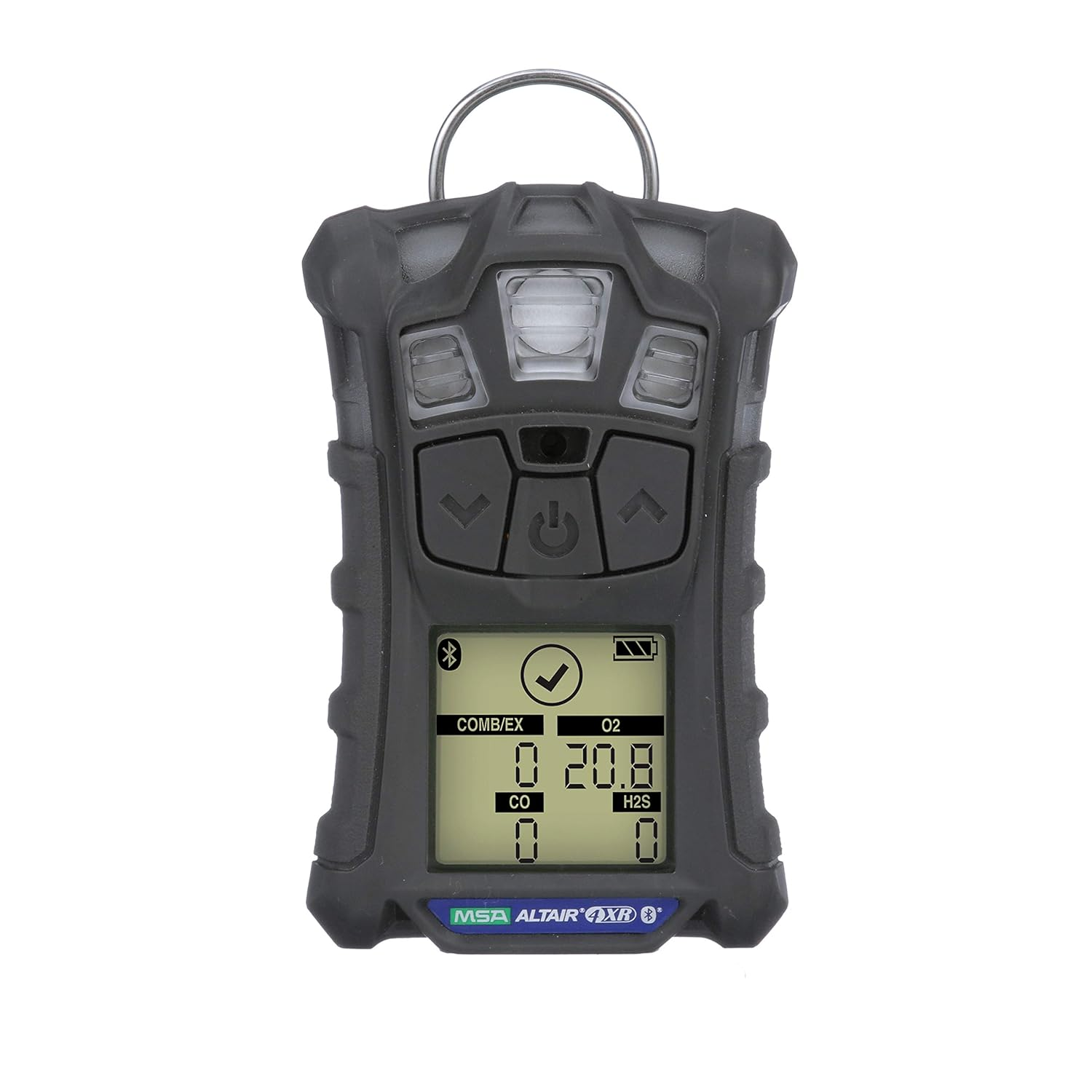
A standard four-gas portable detector commonly measures oxygen (O2), combustible gases (%LEL), hydrogen sulfide (H2S) and carbon monoxide (CO). These cover the most frequent hazards in confined space entry and general industrial work.
Which gases are heavier than air?
Hydrogen sulfide, carbon dioxide, chlorine, sulfur dioxide, nitrogen dioxide and propane are heavier than air and tend to collect in low areas. Methane, hydrogen and ammonia are lighter than air and tend to rise.
How often should gas detectors be calibrated?
Follow the manufacturer’s recommendations and your site’s safety program. Many organizations perform a bump test before each day’s use for portable detectors, with full calibration at regular intervals or whenever a bump test fails. Fixed detectors follow scheduled calibration based on the application and risk.
Can one detector detect all gases?
No. Different gases need different sensing technologies. Multi-gas detectors combine several sensors in one instrument, but each sensor targets specific gases, so the instrument must be matched to your hazards.
Disclaimer
This article is for general educational purposes. Exposure limits, alarm setpoints and legal requirements differ by jurisdiction and application.
Always consult applicable regulations, your safety officer and the equipment manufacturer’s instructions before designing or operating a gas detection system.